










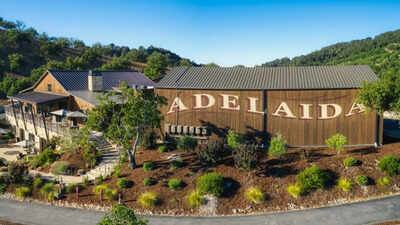
A California winery that has been operating for 45 years could face liquidation if it fails to find a buyer by October 15, following a long-running legal dispute between members of the family that owns it. Adelaida Vineyards, one of the earliest wineries established in Paso Robles, filed for Chapter 11 bankruptcy in December 2024 after a court ordered it to pay $12.7 million in a case brought by one of the founders’ children.According to a report by the San Francisco Chronicle, the winery had approximately $16.3 million in liabilities when it sought bankruptcy protection. Court documents estimate that selling the business could bring in between $3.8 million and $6.7 million. However, if its assets are sold separately through liquidation, their estimated value would fall to between $1.4 million and $2.8 million.The financial problems follow a dispute between siblings Matthew and Kedrin Van Steenwyk over the relationship between the winery and the family’s oil-and-gas technology business. Matthew accused Kedrin and other company directors of using money and resources from the technology business to support the winery. A federal jury ruled in his favour in July 2024.Despite the approaching deadline, Adelaida remains open to visitors. The family has also reached a proposed settlement that could help prevent liquidation, although the agreement still requires court approval.
How winery became part of family dispute
Adelaida Vineyards was founded in 1981 by Don and Elizabeth Van Steenwyk. It was among the first 10 wineries in Paso Robles and later became known for wines inspired by the French regions of Bordeaux, Burgundy and Rhone.The winery sources grapes from estate vineyards spread across approximately 1,800 acres. Its HMR vineyard contains Pinot Noir vines planted in 1964 and Cabernet vines planted in 1973 under the direction of winemaker Andre Tchelistcheff.The family dispute developed after Elizabeth separated the winery from Applied Technologies Associates, the oil-and-gas technology company founded by her husband, who died in 2010.In 2013, Elizabeth arranged for the winery to be sold to KMBG for $3.1 million, without an initial cash payment and at an interest rate below 1%. Applied Technologies continued to own two major vineyards and pay their farming expenses.According to court findings, Elizabeth breached her fiduciary duty when KMBG missed its first two payments and Applied Technologies failed to take action over the defaults.
Why Matthew Van Steenwyk went to court
In 2016, Kedrin became successor trustee of her parents’ trust after her mother developed serious cognitive problems, according to court filings. This gave her control over Applied Technologies and KMBG. She also became the winery’s majority owner and CEO.Matthew filed a federal lawsuit in 2020, alleging that Kedrin and other directors were allowing Applied Technologies to subsidise Adelaida.

The family dispute began after Elizabeth separated the winery from her late husband’s oil-and-gas technology company.
His complaint claimed the technology company provided accounting, legal and IT services to the winery for just $2,000 a month, although those services were worth considerably more. It also alleged that the winery and KMBG owed Applied Technologies nearly $2.7 million for operating expenses.The lawsuit raised questions about grape transactions between the businesses. In one instance, Adelaida allegedly purchased Zinfandel grapes from Applied Technologies for $1,299 per ton and resold them to another winery for $2,750 per ton.In July 2024, a federal jury found Kedrin, Elizabeth and other directors liable for breaches of fiduciary duty. The following month, Matthew was awarded $12.7 million. Additional judgments involving Applied Technologies and its subsidiary brought the combined amount to more than $21 million.
Bankruptcy filing puts winery’s future at risk
Adelaida subsequently filed for Chapter 11 bankruptcy protection, describing itself in court documents as “a casualty of a dispute between siblings”.The winery argued that Matthew’s efforts to enforce the judgment, including attempts to seize assets and access funds in its bank account, had contributed to its financial difficulties.In March 2025, a bankruptcy judge rejected Matthew’s request to dismiss the case or convert it into liquidation. However, the judge warned that the winery’s “runway is short” because of its continuing cash losses.On June 10, 2026, the bankruptcy court approved a plan requiring the winery to find a buyer by October 15 or proceed towards liquidation.
Can the family settlement prevent liquidation?
On September 25, all four Van Steenwyk siblings entered into a proposed settlement intended to resolve the outstanding dispute and judgments.Under the agreement, Kedrin would receive $30 million for her ownership interests in Applied Technologies and other family companies and resign from their leadership positions. Matthew and Gretchen would receive her voting interests, while Kedrin would retain her ownership in KMBG and Adelaida. The agreement still needs court approval.An attorney representing Adelaida’s liquidating trust told the San Francisco Chroniclethat the winery had not entered escrow or signed a binding letter of intent for a sale as of October 13. However, the attorney said the settlement had “caused the liquidating trustee to consider alternatives”.