









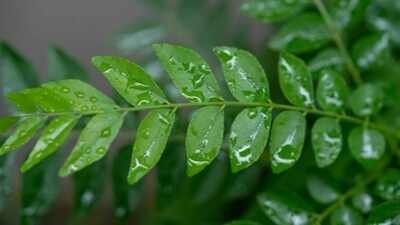
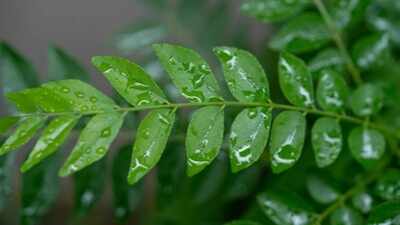
Few plants generate as much quiet frustration among Indian home gardeners as a curry leaf plant that simply refuses to grow. It sits there for months, sometimes years, barely putting out a new leaf while everything else on the balcony thrives, and it’s rarely obvious why. The truth is that curry leaf plants, or kadi patta, are fairly specific about what they need, tropical natives that don’t tolerate much deviation from their ideal conditions, and even one factor being slightly off can stall growth almost completely. Here’s a look at the most common reasons behind a stuck curry leaf plant, and what actually fixes each one.
Not enough direct sunlight
This is, by far, the most common reason a curry leaf plant stops growing. These plants genuinely need six to eight hours of direct sunlight a day to grow vigorously, and a spot that only gets a couple of hours of bright but indirect light simply isn’t enough to sustain healthy growth, even if the plant technically survives there. If your plant has been living in a shaded corner or a room that only gets filtered light through a window, moving it gradually to a sunnier spot, easing it in over a week or two rather than shocking it with sudden full sun, is usually the single biggest fix available.
Overwatering and poor drainage
Curry leaf plants are surprisingly easy to drown with good intentions. They need the soil to dry out somewhat between waterings, and roots that sit in consistently damp, poorly draining soil are prone to root rot, which shows up as stalled growth long before the plant visibly wilts or yellows. Checking that the pot has proper drainage holes, using a light, well-draining soil mix rather than dense garden soil, and watering only once the top inch or two of soil has dried out addresses this at the root, quite literally.
Temperature stress, especially cold
This one catches a lot of people off guard, particularly during winter in northern parts of India or anywhere outside a genuinely tropical climate. Curry leaf plants struggle badly once temperatures drop below around 10°C, often dropping leaves and going dormant until warmer weather returns, and their real growth sweet spot sits between roughly 21°C and 32°C. If your plant has essentially stopped growing every winter without fail, that’s less likely to be a problem you need to fix and more just the plant’s natural dormancy, though moving a potted plant somewhere warmer and sunnier during the coldest months can help it bounce back faster once spring arrives.
A pot that’s become too small
A curry leaf plant left in the same small container for years eventually runs out of room to grow, both above and below the soil. Once roots become tightly bound and circling the inside of a pot, growth slows dramatically regardless of how much sun or water the plant gets. Repotting into a larger container, ideally at least 12 to 18 inches wide, every two to three years, gives the roots room to keep expanding and generally kickstarts a fresh round of visible growth within weeks of the move.
Nutrient deficiency
A curry leaf plant that’s pale, yellowish, or simply not putting out much new growth despite decent light and watering is often just hungry. These plants respond well to a nitrogen-rich fertiliser during the growing season to encourage lush new leaves, and iron deficiency specifically is common enough in curry leaf plants that a lot of growers add a small amount of iron supplement alongside regular feeding. Feeding roughly once a month during warmer months, and easing off entirely during winter dormancy, tends to keep the plant properly nourished without overdoing it.
Pests you might be missing
Sometimes the issue isn’t light, water, or soil at all, it’s something small feeding on the plant that’s easy to miss at a glance. Aphids and mealybugs are common culprits, clustering on new growth and the undersides of leaves, quietly sapping the plant’s energy and stunting new growth before the damage becomes obvious. A close inspection of new shoots and leaf undersides every so often, followed by a wipe-down with neem oil or a mild insecticidal soap if anything’s found, usually resolves this before it becomes a bigger setback.
Harvesting the wrong way
This is a subtler one, but it trips up a lot of home cooks who pick leaves regularly for the kitchen. Curry leaf plants tend to grow from the top, so repeatedly plucking leaves without any real pruning strategy can leave you with a long, increasingly bare stem and all the new growth concentrated way up at the top, out of easy reach. Pinching back growing tips occasionally, rather than only stripping leaves from the top, encourages the plant to branch out and grow bushier from lower down, which pays off with a fuller plant over time.
Patience, paired with the right fix
A stalled curry leaf plant is rarely a lost cause, it’s almost always one or two specific conditions quietly working against it rather than anything seriously wrong. Working through sunlight, watering, temperature, pot size, feeding, pests, and harvesting habits one at a time usually turns up the actual culprit fairly quickly, and once that’s corrected, most curry leaf plants bounce back with noticeably fuller, greener growth within a few weeks.
Disclaimer:
This article is intended for general informational purposes only. Growth patterns can vary depending on the plant’s age, variety, and local climate conditions. If your curry leaf plant continues to struggle despite these adjustments, consult a local nursery or horticulture expert for advice specific to your growing conditions.