









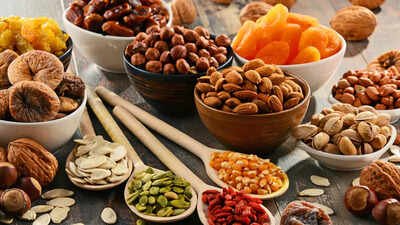
Replacing biscuits with nuts for 30 days can feel like a small change. It is the sort of switch people make almost casually, usually after one too many tea-time snacks and one too many moments of low energy. But small changes in the diet often have a way of producing visible effects faster than expected. Biscuits are convenient, familiar and comforting. They are also, in many cases, highly processed, easy to overeat and quick to digest, which means they can leave you hungry again not long after. Nuts, by contrast, come with a different kind of promise. They are dense, chewy, satisfying and packed with fat, protein, fibre and micronutrients. Swap one for the other every day for 30 days, and the change may not be dramatic in a cinematic way. But it can be steady, practical and surprisingly noticeable. Scroll down to read more…
The first thing that changes is satiety
One of the earliest differences many people notice is that nuts tend to keep them fuller for longer. Biscuits often give a quick burst of comfort, but that rise can be followed by a drop, especially if the biscuits are high in refined flour and added sugar. Nuts behave differently. Their combination of fat, protein and fibre slows digestion and tends to keep appetite more stable.
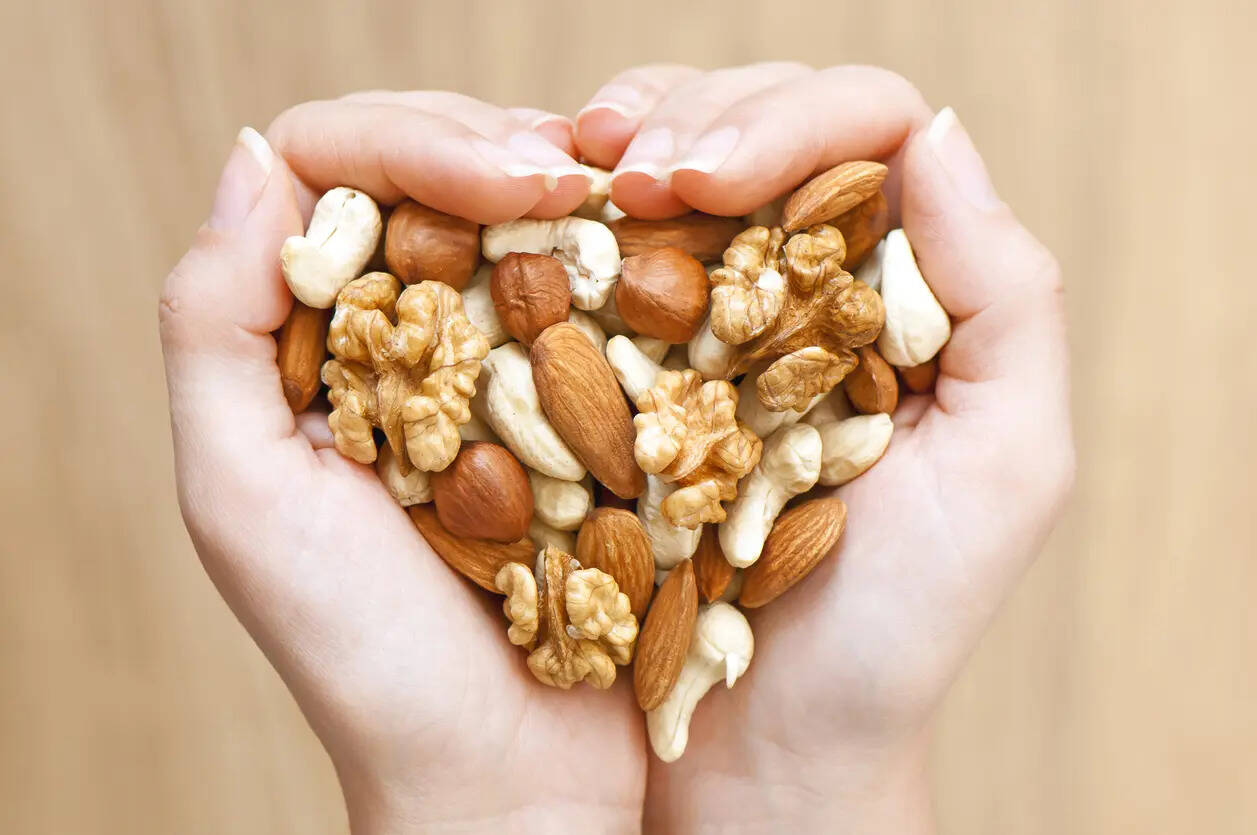
That means fewer random cravings between meals. It also means the morning cup of tea or afternoon snack may stop feeling like a battlefield. For people who usually reach for three or four biscuits without thinking, a small handful of nuts can feel far more substantial. The snack is no longer just something to nibble. It becomes something that actually holds you over.
Energy may feel steadier
A biscuit-heavy snack pattern can create a restless rhythm in the body: quick energy, quick decline, repeat. Nuts do not produce the same sharp spike. Their nutritional structure supports a slower release of energy, which can make the day feel less erratic.This is not the kind of change that announces itself loudly. It often shows up in the background. You may notice fewer mid-morning crashes, less afternoon sluggishness and less of that vague, empty feeling that can send people back to the kitchen before they are truly hungry. Over 30 days, the difference can add up to a calmer relationship with food.
Cravings often become less urgent
There is another quiet shift that can happen when biscuits disappear from the routine: sugar cravings may become less intense. This does not mean you will suddenly stop wanting sweet things forever. It means your palate may begin to reset.
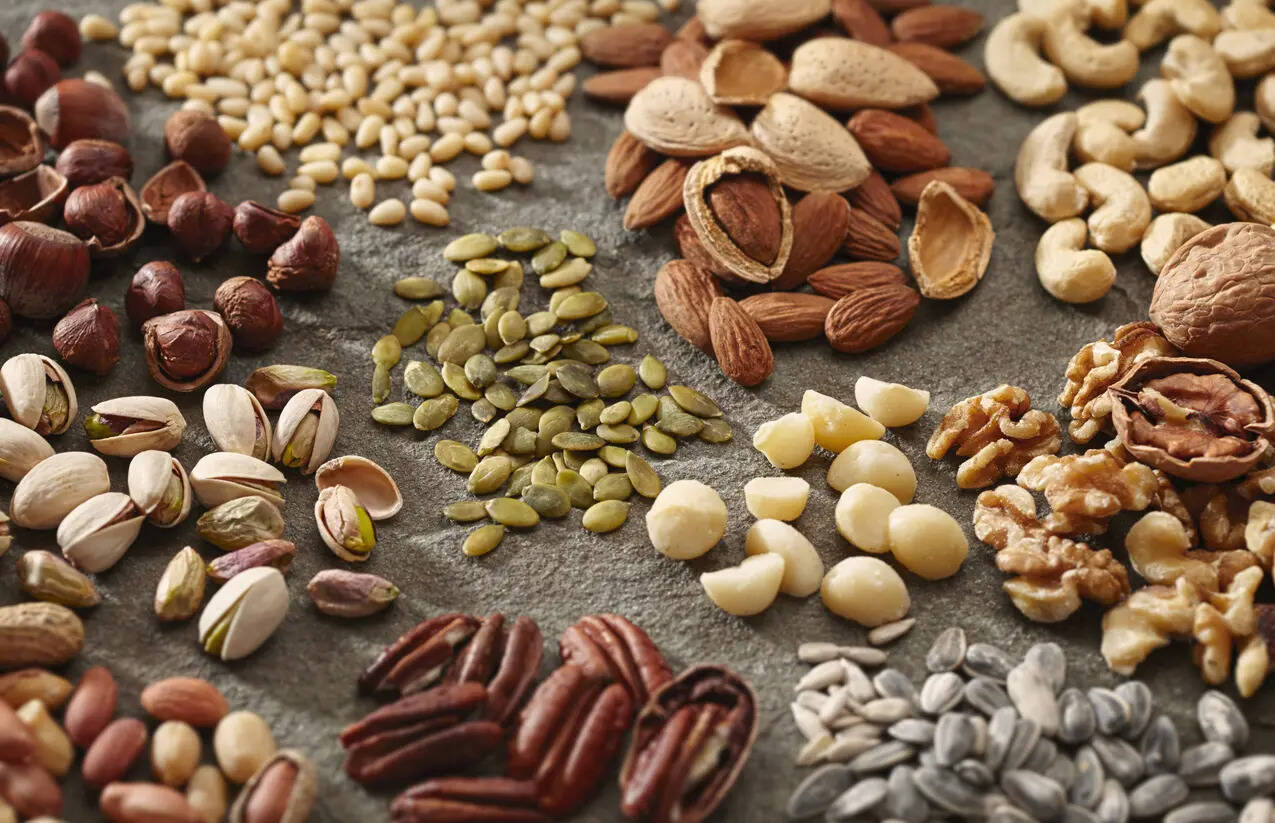
When a person eats biscuits daily, the body gets used to that sweet, refined pattern. Take it away and replace it with nuts, and the first few days may feel strangely plain. But after a while, many people find that very sweet snacks start tasting sweeter than before. The urge to snack may also become more specific instead of constant. In other words, you may stop feeling like you need something all the time.
Digestion can improve
For many people, one of the more practical effects of eating nuts instead of biscuits is a better digestive rhythm. Nuts contain fibre, which supports regularity and helps food move through the gut more efficiently. Biscuits, especially the heavily processed kind, usually do not offer much in this department.That said, nuts can be a little heavy if eaten in large quantities, especially for people who are not used to them. A measured portion works best. Too much of a good thing can leave you feeling bloated rather than nourished. The real benefit comes from replacing the biscuit habit, not from turning nuts into a free-for-all.
Weight may become easier to manage
A 30-day swap like this can also affect weight, though not always in a predictable straight line. Nuts are calorie-dense, which means portion size matters. A large bowl of nuts is not the same thing as a few biscuits. Still, nuts are much more satisfying, so many people end up eating less overall without feeling deprived.That is where the change begins to work in your favour. When snacks become more filling, there is often less grazing later in the day. Less grazing can mean better appetite control. Better appetite control can lead to more consistent energy intake. And over time, that can support weight management, especially if the biscuit habit had been adding empty calories without much satiety.
Mood can feel more stable
Food is not only fuel. It also shapes mood, energy and daily rhythm. Biscuits can be emotionally attached to comfort, but they do not always leave the body feeling well fed. Nuts, because they are more nutrient-rich, can create a more grounded sense of satisfaction.
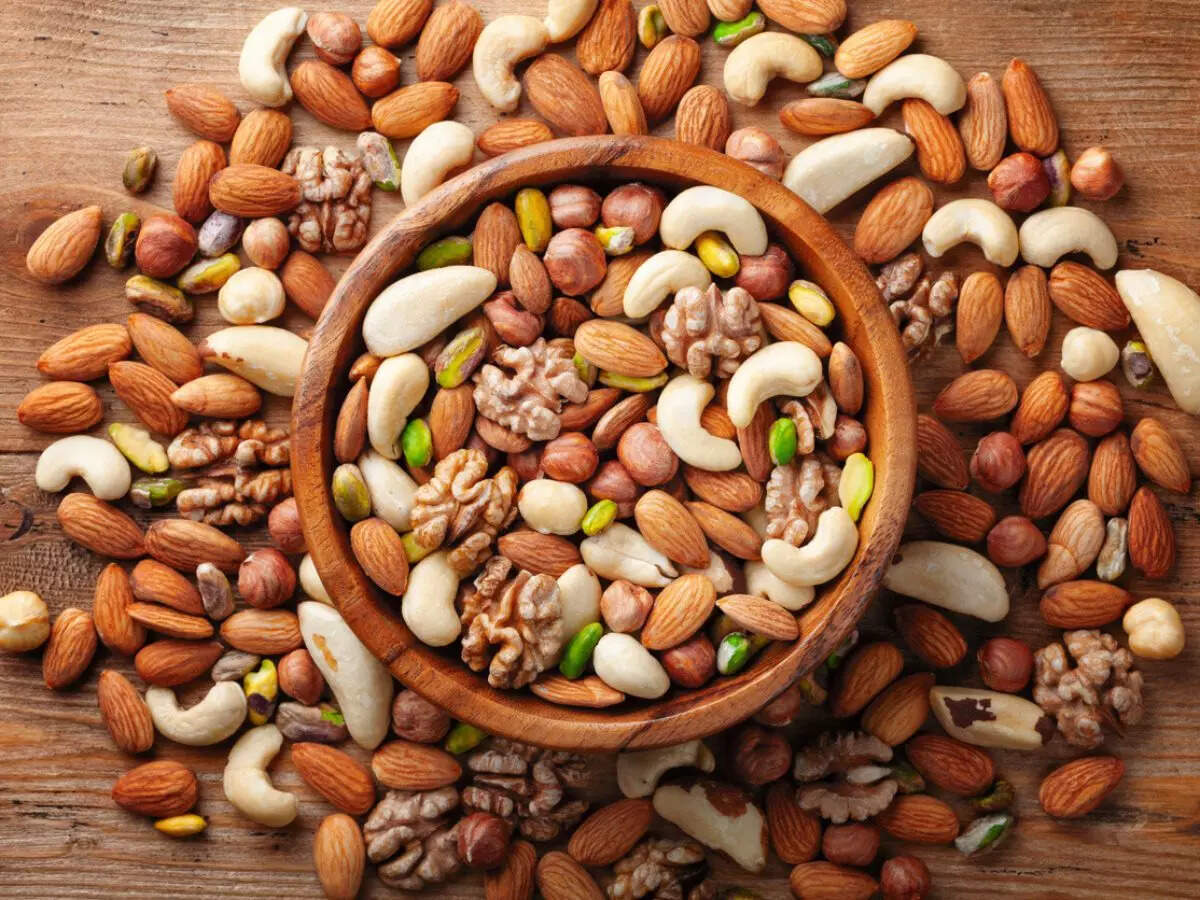
What to eat: Oats, brown rice, whole‑wheat toast, quinoa; a small handful of almonds or walnuts.Why it helps: Stable blood sugar reduces irritability and “reward seeking” after meals; fiber and healthy fats keep you fuller so you’re less likely to reach for a smoke.
That does not make them a cure for stress, of course. But it can change the way the body experiences snack time. Instead of a short-lived lift followed by another dip, the snack may feel more sustaining. For some people, that steadiness matters more than they expected. It can make the day feel less frantic around food.
Soaking nuts and pairing them wisely can make a difference
Many people also find that soaking certain nuts overnight makes them easier to digest and gentler on the stomach. Almonds, walnuts and raisins are especially popular in soaked form, particularly in Indian households where they are often eaten first thing in the morning. Soaking softens the texture, slightly reduces bitterness and may help some people tolerate nuts better, especially if they usually experience heaviness or bloating after eating them dry.Pairing soaked nuts with the right foods can make the snack feel even more balanced. Soaked almonds with warm milk, walnuts with fruit, or a few soaked raisins alongside nuts can create a steadier combination of healthy fats, fibre and natural sugars. Some people also combine nuts with yoghurt, smoothies or oats to make the snack more filling without relying on processed foods. The goal is not to turn nuts into another health trend but to make them easier to include consistently in a way that feels satisfying and sustainable.