









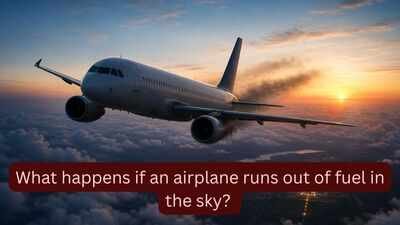
What’s your biggest flying fear? Turbulence? Emergency landing? Yes, these situations can be extremely scary but ever thought what will happen if your airplane runs out of fuel in the sky? Imagine flying at 35,000 feet and fuel runs out, it is one of the biggest fears many airline passengers have. And a common question arises: What actually happens if an airplane runs out of fuel mid-air? Does it simply drop down from the sky?The answer is No. The plane just doesn’t drop down from the sky. Modern commercial aircraft are designed with myriad safety systems. These have strict fuel regulations and highly trained pilots to prevent such a scenario. And even in the extremely unlikely case that an aircraft loses engine power because of fuel exhaustion, it doesn’t immediately falls down. Then what happens? Well, instead, the aircraft glides for a considerable distance while pilots work to land the plane safely.Things travellers should knowFirst of all, don’t panic. Commercial flights carry more fuel than they actually need

Airplane midair
Yes. Every commercial aircraft is designed to carry more fuel than needed. It’s called fuel planning. There are some strict regulations by aviation authorities such as the International Civil Aviation Organization (ICAO), the Federal Aviation Administration (FAA) in the United States and the European Union Aviation Safety Agency (EASA).The amount of fuel is calculated on several factors, including:DistanceWeather Wind speed DirectionAir traffic delaysWeight of the aircraft So in addition to required fuel, airlines must also carry reserve fuel, contingency fuel, and enough fuel to make safe landing in case of an emergency. This makes complete fuel exhaustion on commercial flights exceptionally rare.If both engines stop, the plane doesn’t drop Another misconception people have is that airplanes rely completely on engine thrust to stay in the air.No, that’s not completely true. In reality, aircraft wings generate lift as long as the plane maintains forward speed. If both engines stop, the aircraft acts as a glider.Modern jetliners have an impressive glide capability and most commercial aircraft have a glide ratio of around 15:1 to 20:1. In easy words, it means they can travel approximately 15 to 20 kilometres forward for every kilometre they descend.This gives pilots much-needed time to find a safe landing spot.Pilots have emergency procedures in case such incident happens and they regularly practise engine-failure scenarios during training sessions. These pilots are prepared for even the rarest emergencies.Understanding Ram Air Turbine Systems
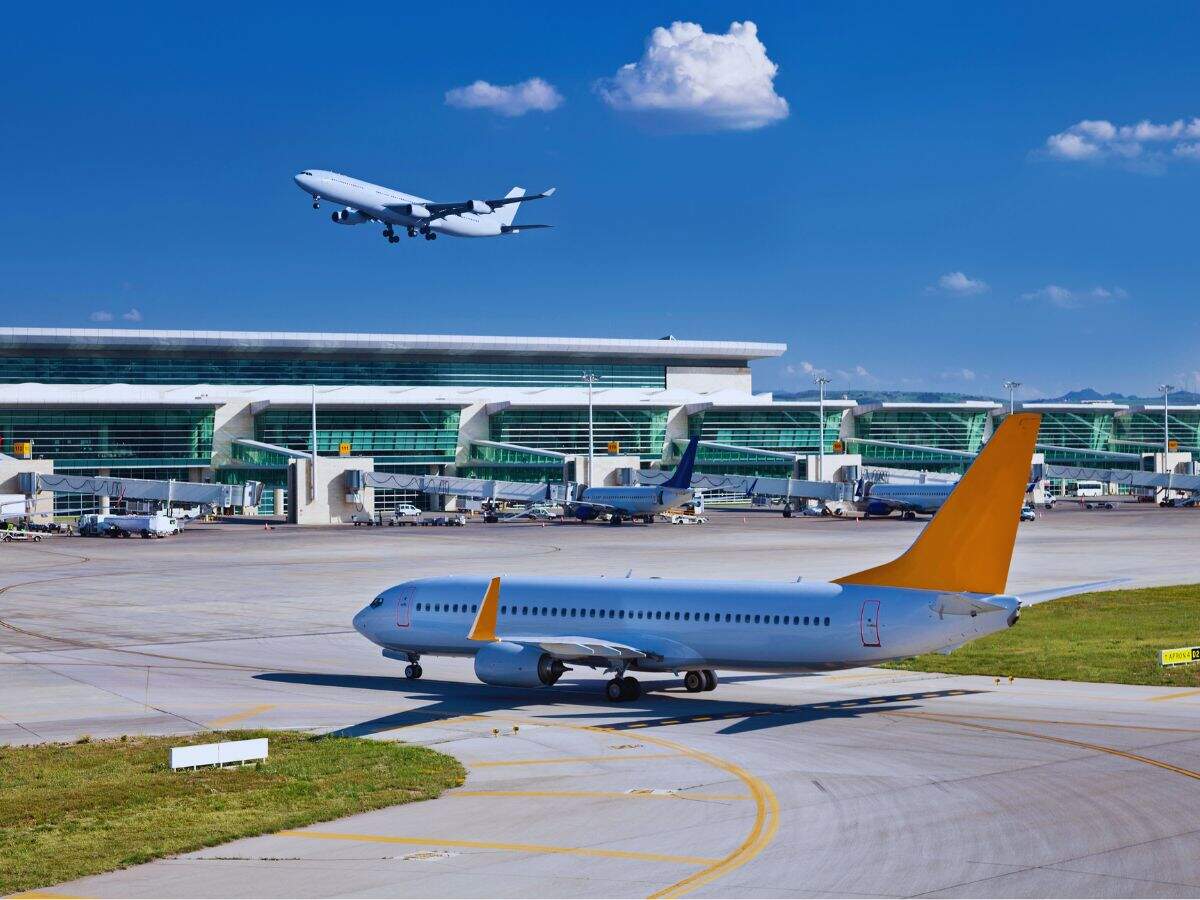
Safe landing
It is important for travellers to understand that the modern commercial aircraft are equipped with a backup device known as a Ram Air Turbine (RAT). If both engines fail and normal electrical power is lost, the RAT automatically deploys into the airflow beneath the aircraft.The spinning turbine generates enough hydraulic and electrical power to operate essential flight controls, cockpit instruments and communication systems.This allows pilots to continue flying and controlling the aircraft even without engine power.Past incidents Although extremely rare, there have been cases of aircraft successfully landing after losing engine power.Air Canada Flight 143 (1983)A fuel calculation error caused the Boeing 767 to run out of fuel at cruising altitude over Canada. The aircraft didn’t crash but glided for about 120 kilometres before making an emergency landing at a former air force base in Gimli, Manitoba. Nobody was hurt.Air Transat Flight 236 (2001)
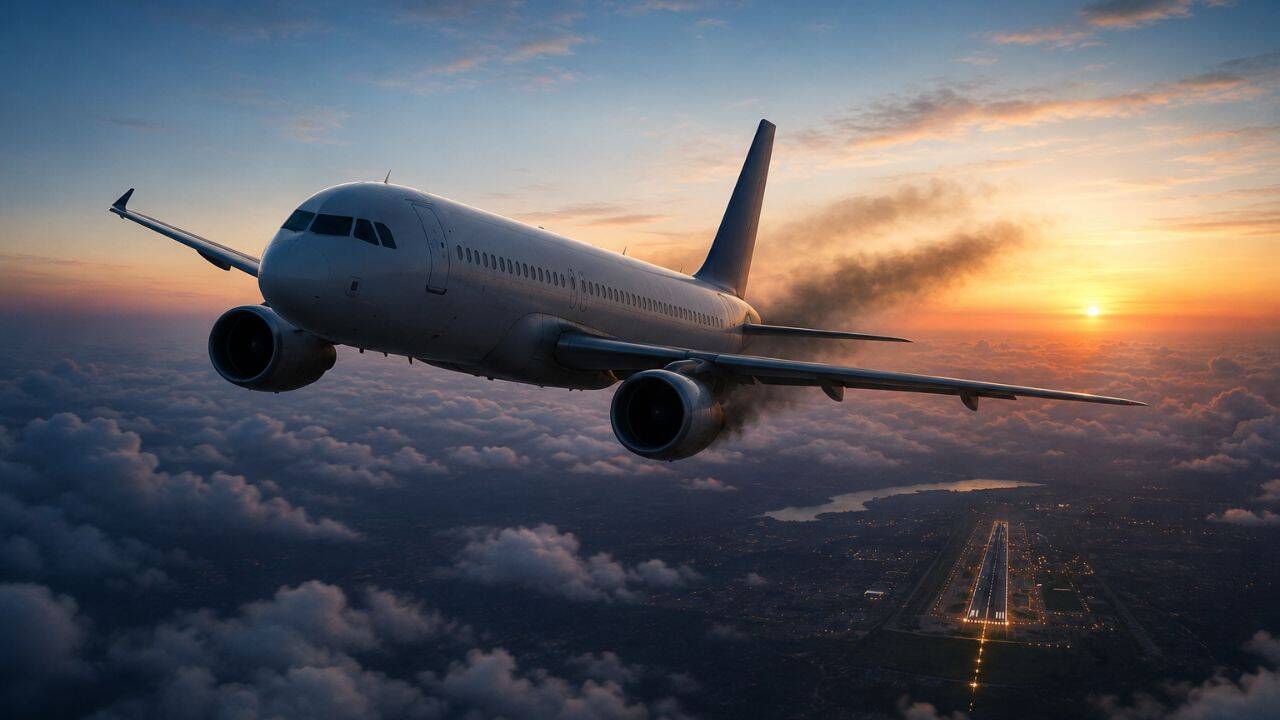
What happens if an airplane runs out of fuel in the sky
In 2001, a fuel leak caused Airbus A330 to lose both engines right above the Atlantic Ocean. The aircraft kept gliding for nearly 20 minutes and covered around 120 kilometres and made a safe landing at Lajes Air Base in the Azores. No one was hurt.In short, flyers should be reassured: commercial aircraft are designed to manage unlikely scenarios long before they become dangerous. Such cases are extremely rare.Sources: International Civil Aviation Organization (ICAO), Federal Aviation Administration (FAA), European Union Aviation Safety Agency (EASA), Airbus Flight Operations manuals, Boeing Aeromagazine, Transportation Safety Board of Canada (Gimli Glider investigation), BEA France (Air Transat Flight 236 investigation).