







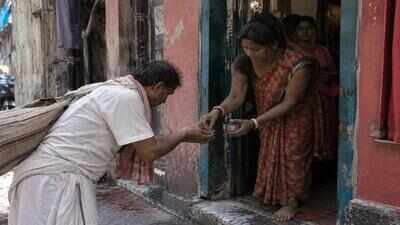
A visit to Kolkata’s Kumartuli stirs a range of emotions. Rows of Durga idols, some still taking shape in mud, others fully formed and ready to be delivered, line the lanes of this iconic neighbourhood, home to generations of potters who create the magnificent idols worshipped during Durga Puja. The spirit and sanctity of the festival can perhaps be felt most deeply here. But Kumartuli is also known for a generations-old tradition that makes it stand out.What material should be used to make an idol of Goddess Durga, the embodiment of purity and divine power? Naturally the best and the purest! And why, then, do the potters visit the homes of sex workers in Sonagachi, Kolkata’s (in) famous red-light district, and ask for soil from their doorsteps?The soil is mixed with the clay used to make the idol of Goddess Durga. This unusual practice is known as punya mati, or sacred soil, in the Bengali tradition. It is particularly associated with the nishiddho palli, literally meaning a “forbidden locality” or red-light district.There is something strikingly beautiful about the ritual. The potter visits the sex worker’s home, offers her a saree and gifts, and respectfully asks for some soil from her doorstep. The soil is received with reverence and taken back to Kumartuli, where it becomes part of the clay used to create the goddess’s idol.
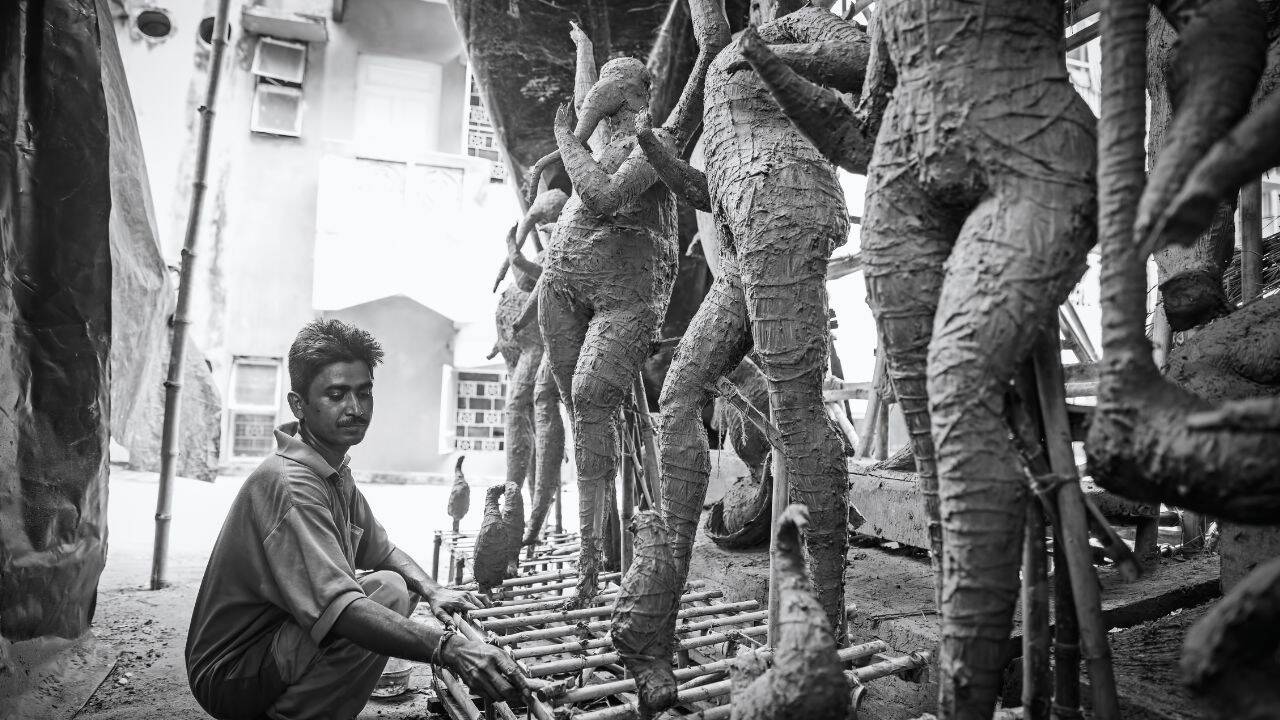
Artisan creating Durga idol (Canva)
The ritual is laden with symbolism, and raises a fascinating question: how did soil from a place considered socially ‘forbidden’ come to be regarded as sacred enough to become part of the body of Goddess Durga?What is ‘punya mati’?Durga idols in Bengal are traditionally made from clay, often using alluvial soil associated with the Ganga-Hooghly river system. The sculpting process begins with a bamboo and straw framework, over which layers of clay are applied and shaped into the familiar form of Durga.Within this tradition, a small quantity of soil collected from a sex worker’s doorstep has historically been considered another significant ingredient. A cultural documentation report on traditional deity-making in West Bengal records the use of soil from outside brothels, or nishiddho palli, describing it as punya mati.
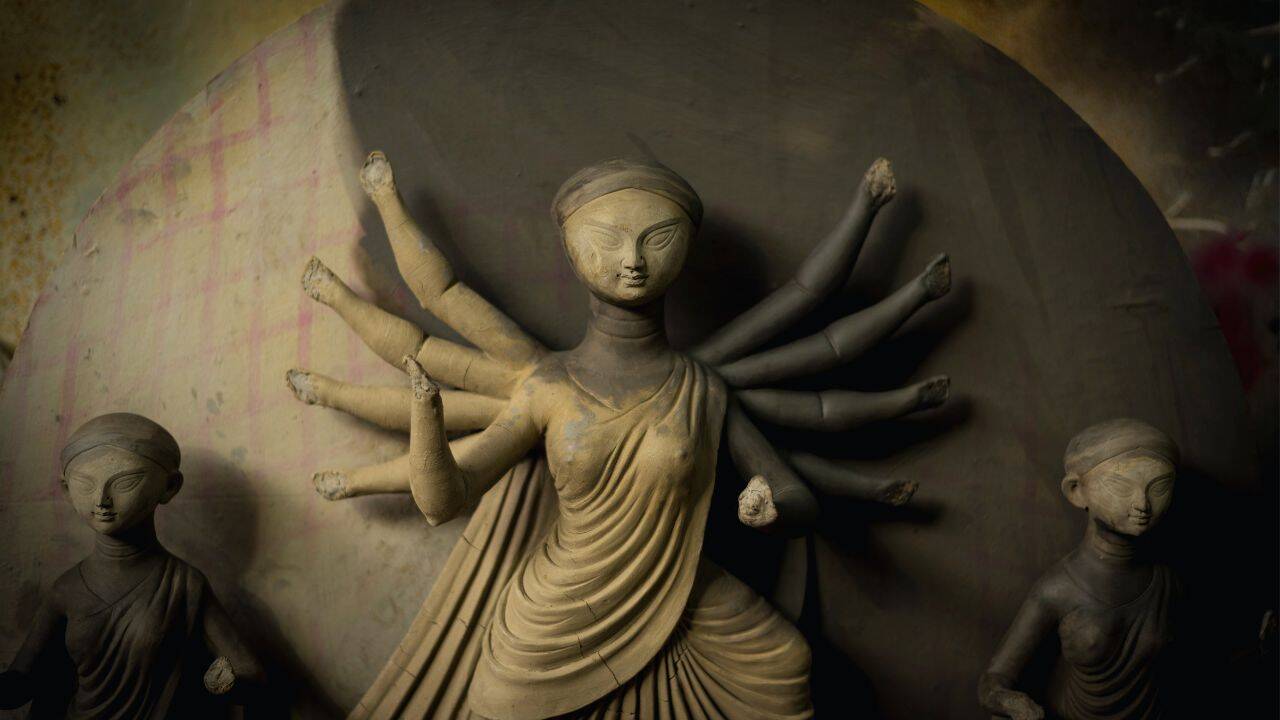
Durga Idol in making (Canva)
However, it is important that it should be received from a sex worker as a gift or blessing.But what is the reason behind this traditionOne of the most widely repeated explanations is that a man entering a brothel is believed to leave his virtue or purity outside the door. In this interpretation, the soil at the doorstep consequently becomes ‘punya’, or virtuous and sacred.This explanation has been recorded by several accounts of the Bengali tradition, including reporting from Kolkata’s Kumartuli and Sonagachi.There is also another interpretation: the ritual symbolically brings people who have been pushed to the margins of society into the centre of a major religious celebration.
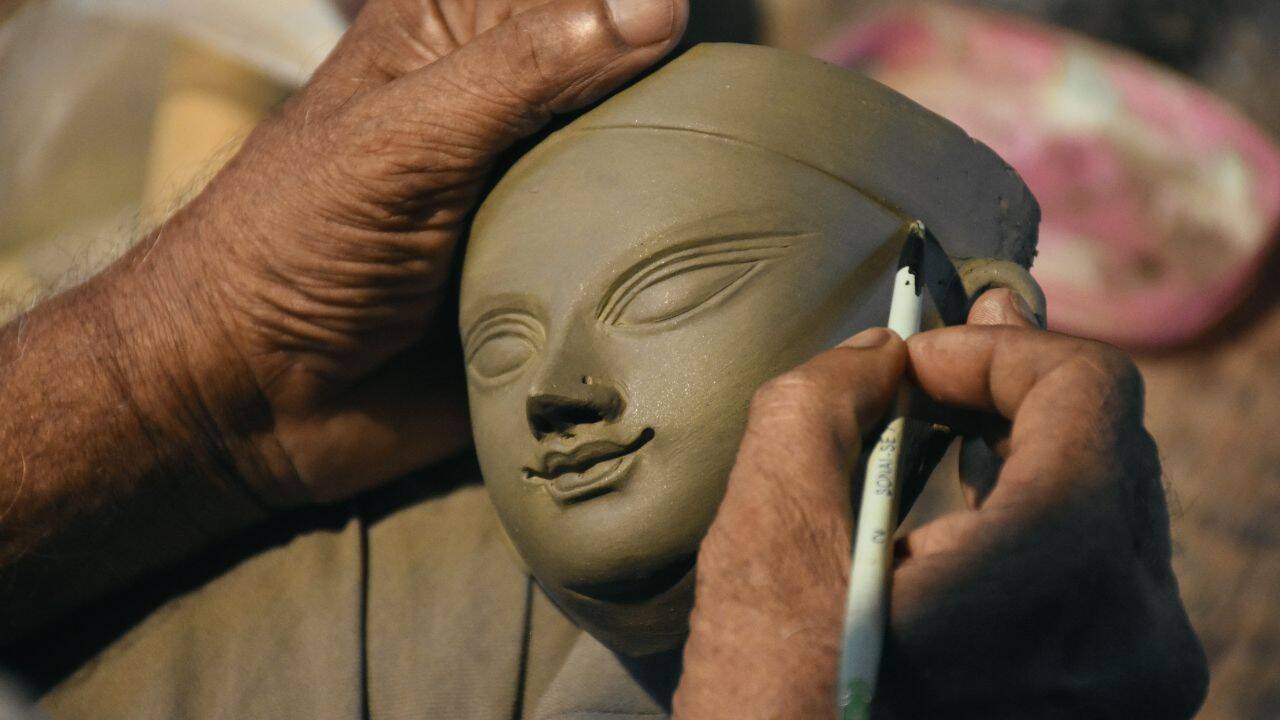
Durga idol (Canva)
One interpretation of the tradition is that Durga Puja, as a community festival, temporarily breaks social boundaries and brings even socially excluded groups within its sacred space. That makes the symbolism particularly striking. The soil of a place society has historically labelled “forbidden” becomes part of the physical body of the goddess whom millions come together to worship.According to 70-year old Kumud Dubey whose family has been hosting Durga Pooja for generations. “It is said that when a man enters a sex worker’s home, he leaves his accumulated punya (religious merit or virtue) at the doorstep. As a result, the earth there is believed to become spiritually enriched and is called punya mati. There is a powerful contrast which can be seen in this practice, a place society traditionally regards as “forbidden” provides something considered sacred enough to become part of Goddess Durga’s idol. Some interpretations see this as a reminder that divine power cannot be confined by social ideas of purity and impurity.“Where does this tradition take place?
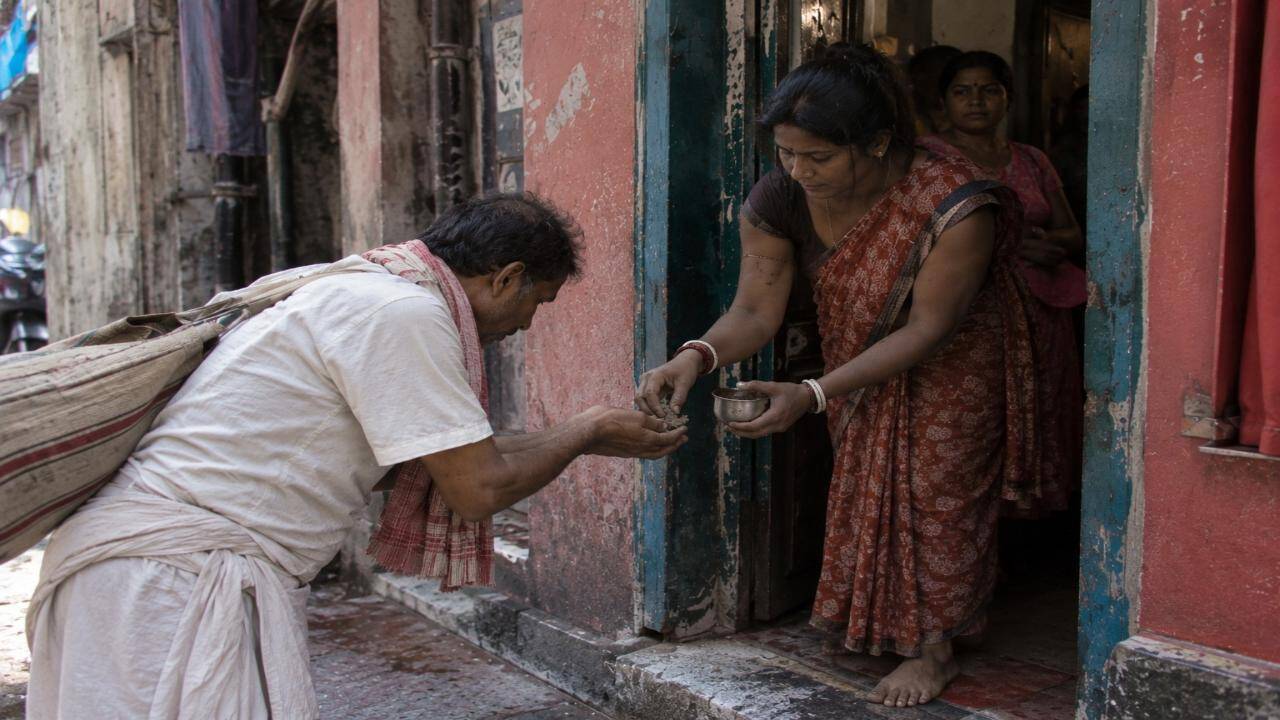
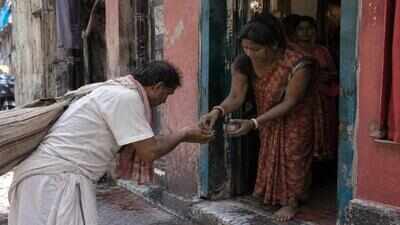
Asking for soil (AI-generated)
The practice is most strongly associated with West Bengal, especially Kolkata.Kolkata’s Kumartuli, the historic potters’ quarter in north Kolkata, is the heart of traditional Durga-idol making. Artisans here produce thousands of idols every year. Historically, Sonagachi, Kolkata’s best-known red-light district, has been particularly associated with the collection of punya mati.So while the ritual is popularly associated with Kolkata, it should not be assumed that every Durga idol made anywhere in India contains soil from a brothel.The practice of collecting punya mati, is more than a curious fact about Durga idols in Bengal. It also reveals a striking contradiction within society: the earth associated with women who were historically rejected and stigmatised could simultaneously be regarded as sacred enough to become part of the image of the goddess.