







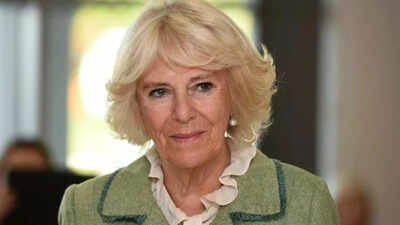
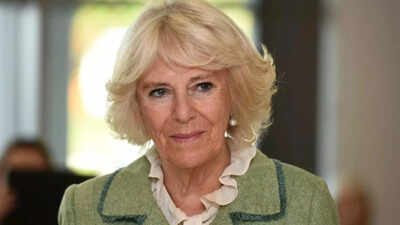
A torch under the blankets, a forbidden book, a teenager hoping nobody hears the page turn. According to the BBC, Queen Camilla described exactly this while talking about the BBC documentary The Book That Changed My Life. Her secret read was Lady Chatterley’s Lover. “The minute something is forbidden, you want to get hold of it,” she said. Here are five things worth knowing about the novel behind that memory.
A story Lawrence had to print abroad
D.H. Lawrence finished the book in 1928, and no English publisher would touch it. It first appeared privately in Florence, Italy. Lawrence died in 1930, long before Britain let readers see the full text.
What actually happens in it
Constance Chatterley lives with her husband, Sir Clifford, a wealthy landowner who returns from the First World War unable to walk. Their grand home is quiet, formal and rather lonely. Over time, Connie forms a close bond with Oliver Mellors, the gamekeeper on the estate, and finds a kind of warmth she had been missing. Much of the stir the book caused was really about class, since a lady and a working man met as equals. The novel opens with a line that still rings true: “Ours is essentially a tragic age, so we refuse to take it tragically.”
The 1960 Trial
Penguin Books published the full version in 1960 and was prosecuted under the Obscene Publications Act 1959. That law allowed a defence of literary merit. Prosecutor Mervyn Griffith-Jones famously asked jurors whether this was a book they would let their wives or servants read. The jury said not guilty, and the question became a symbol of how out of touch the establishment had grown.
Why teenagers wanted it
Camilla was a young teenager when the trial made headlines. A book dragged through court was bound to land under pillows, and her torchlight memory shows how bans can create the very curiosity they fear.
Reading as education and lifeline
The documentary has a serious side. Camilla said she left school young and that “reading has been most of my education.” Her father, Bruce Shand, read endlessly as a prisoner of war to survive. The programme also points to millions of UK adults struggling with literacy. Government figures back this up: the 2011 Skills for Life Survey found millions of adults in England with very low literacy skills. Big Issue founder Lord Bird blamed a long failure to tackle “the inheritance of poverty.”Disclaimer: This article draws on BBC reporting and public records. Book details are summarised for general interest, and the quoted words belong to their speakers. Readers should check the linked sources for the most current information.