











They are not just your pet, they are a member of your family; your best friend and the one who makes your days brighter and nights happier. You let them know you’re off to work and will be back at 5, and when it’s time for dinner, you tell them it’ll be ready in an hour. All this while they stare back in thought, you answer on their behalf. Does this make you a good pet parent or just a rambling human? Psychology has some answers.Pet parents are known to adopt different pitches, words and timings when addressing their pets and some animals, if not all, are seen responding to those changes fervently. According to science, this pet-directed speech and human-animal bond is exercised by people who have seven strengths.
You adapt your message to your audience
Communication is key and it unlocks many doors when it’s done right. Changing the conveyance of your message depending on your listener is the mark of a good communicator. When talking to a pet, people simplify syntax, repeat important words and make their emotional tone clearer. While they may not consciously prioritise these changes, the result is a signal designed for a non-speaking partner. Dogs are sensitive to some of those adjustments. An awake-dog brain imaging study found that non-primary auditory regions responded more strongly to dog- and infant-directed prosody than to ordinary adult-directed speech, especially when the voice had a higher and more variable pitch.
You notice and use feedback
“Sit. I said sit down.” A pet cannot make it known that they understood a part of your statement and not the rest. In this case, a lot of times parents have to repeat their sentences, watch the gaze, posture and movement to decide if their pet is understanding what they are trying to say. Research with cats captures the one-to-one nature of this learning. In a study of 16 companion cats, the animals distinguished cat-directed from adult-directed speech when it came from their owner, but not when it came from a stranger. The authors argued that the specific communication pattern develops through experience within the human-cat pair.
You offer sustained attention without a verbal reward
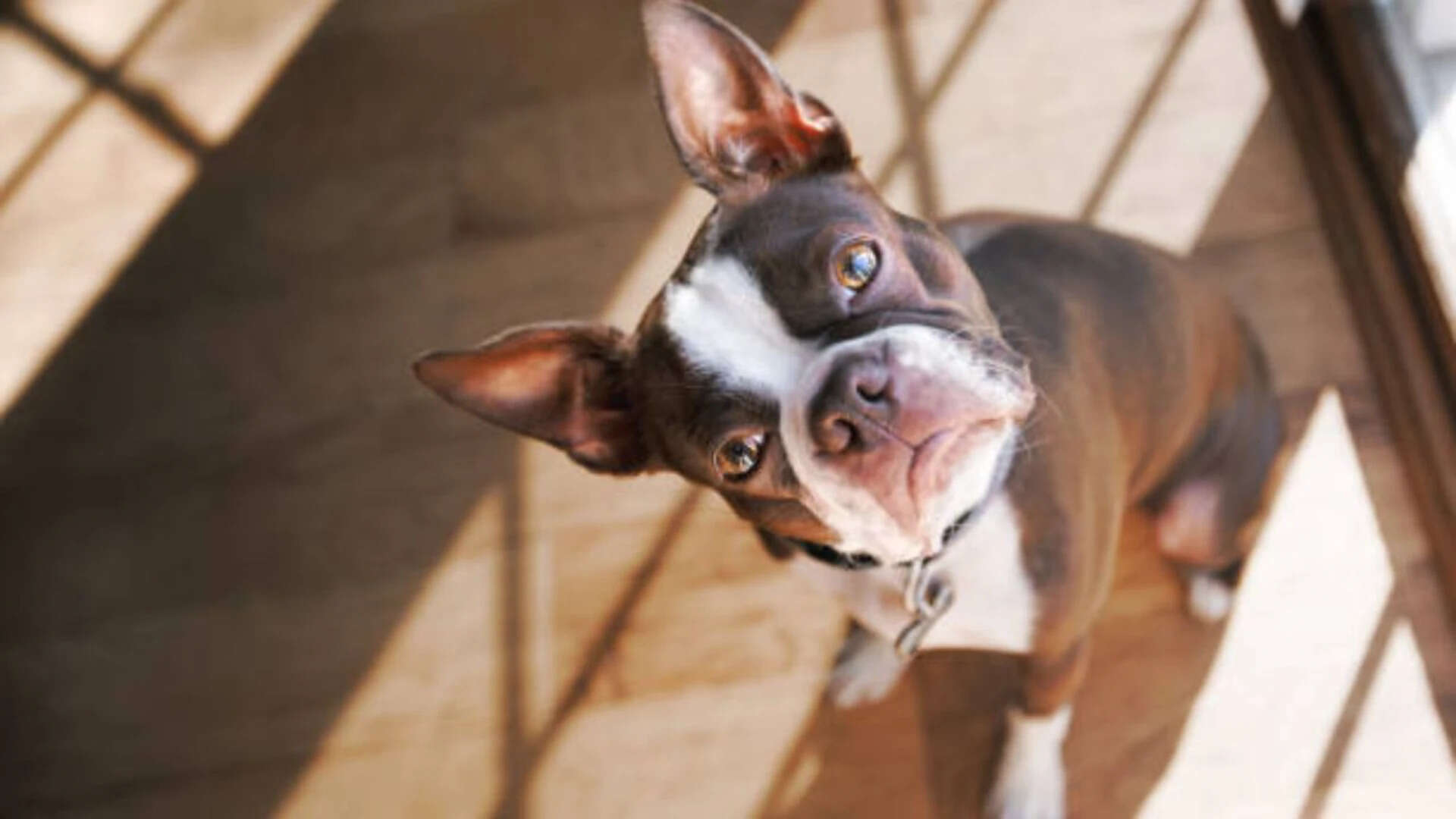
The reward is always nonverbal and may arrive in the form of a tail movement, a head tilt, a slow blink, a change in breathing or just a stable presence.
When conversing with a human, people are used to being supplied with acknowledgements, questions or actions. But talking to an animal is different and entirely based on your own effort. The reward is always nonverbal and may arrive in the form of a tail movement, a head tilt, a slow blink, a change in breathing or just a stable presence. Maintaining that kind of interaction is a reflection of a person’s patience and attention even with a slower feedback loop.
You are motivated to understand others
Giving a pet a human-style voice is a form of anthropomorphism, the attribution of humanlike intentions to a nonhuman agent. The word is often used as an insult, but psychology treats it as a widespread feature of social cognition. Nicholas Epley, Adam Waytz and John Cacioppo proposed three influences on anthropomorphism: accessible knowledge about humans, a motivation to explain and predict another agent’s behaviour, and a desire for social connection. In other words, imagining what the cat is “thinking” can be an attempt to make an unfamiliar mind more understandable. The strength here is the curiosity and mature social imagination.
You can extend empathy beyond your own species
When you are talking to a pet as a social partner, it gives the interaction a psychological weight. The animal becomes an active partner and not just another object in the house. A broad review of the human-animal bond concluded that empathy, attachment and anthropomorphism are closely linked. It also noted that functional levels of these processes can support concern for animal welfare, while inaccurate or excessive anthropomorphism can create misunderstandings. Research therefore supports a connection among anthropomorphism, animal empathy and attachment, but not a simple claim that everyone who voices their dog is highly empathetic.
You are comfortable putting feelings into words
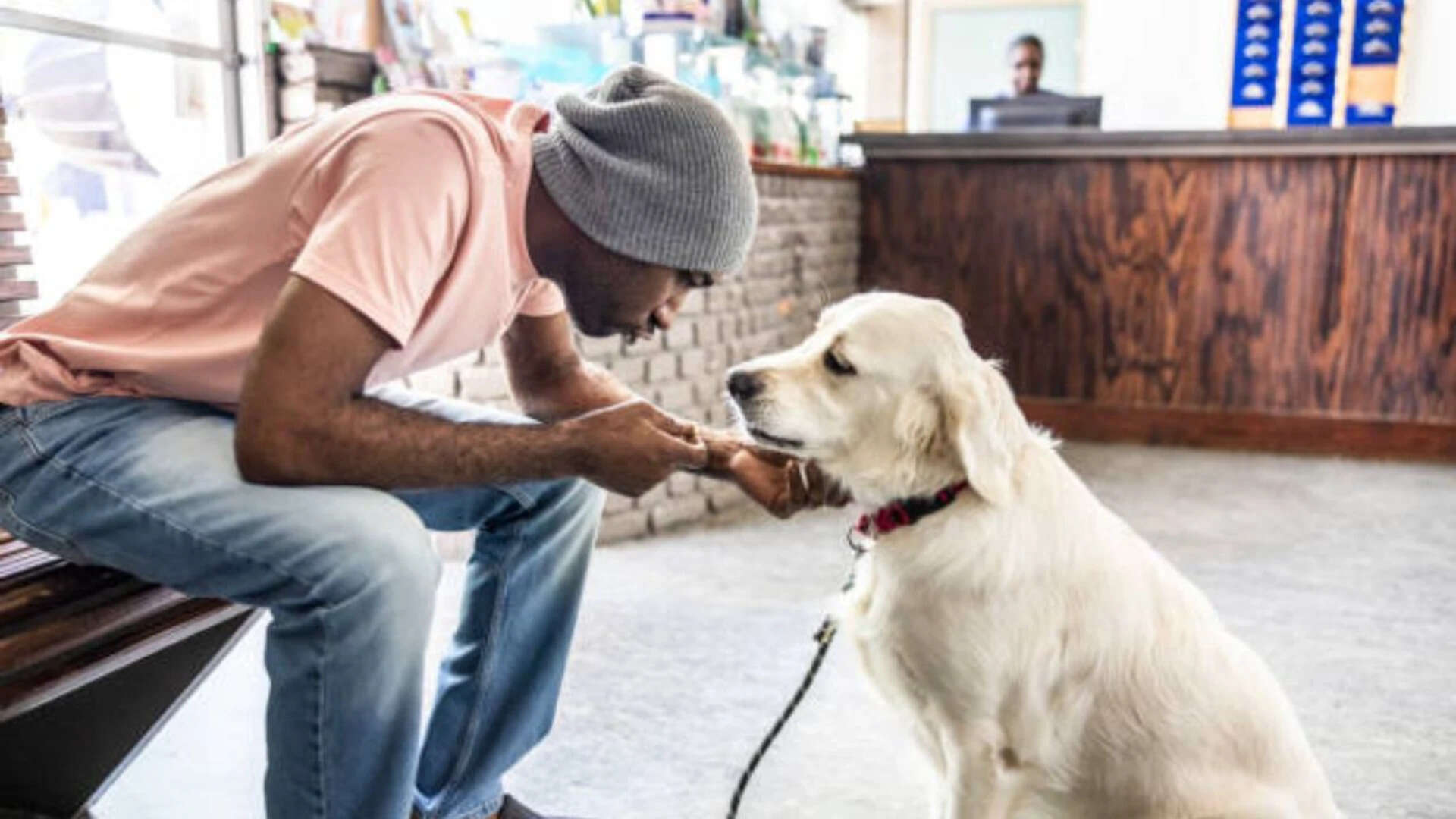
Speaking a feeling out loud, requires emotional identification and honesty, even knowing that the listener cannot answer.
People don’t only talk to pets about food and walks. They consult them with decisions, ask for their advice, rant out on bad days and say things that they might not to a human. A 2018 study in Anthrozoös examined dog owners’ and non-owners’ willingness to disclose emotional topics to dogs. Speaking a feeling out loud, requires emotional identification and honesty, even knowing that the listener cannot answer. It makes emotional openness a strength that some pet owners have.
You invest in care and connection through small rituals
How did you sleep? Are you hungry? Questions like these may not convey much to a pet, but they show that you pay attention and care about them. Repeated greetings, explanations and affectionate nicknames can become rituals that organise a relationship.Essentially, the human-pet bond relies on an emotional wavelength. You can let them know how you feel, while also learning their language and signs. While not all pet owners share these seven strengths, the habit is based on recognisable human capacities. The real psychological strength lies in holding two ideas at once: your pet is a meaningful social partner, and it is also an animal whose experience will never be exactly human.