









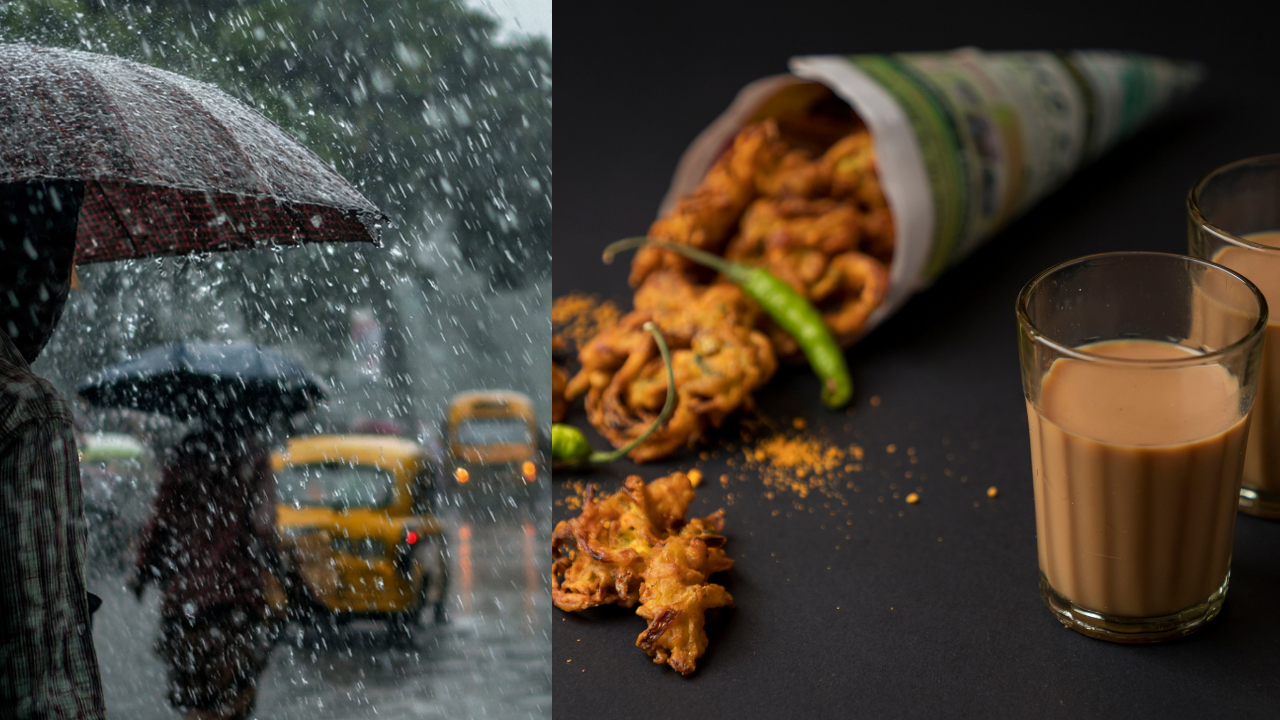
Interestingly, psychology offers another perspective. A well-known study published in Health Psychology found that while people strongly believe comfort foods improve mood, the emotional benefit may come less from the food itself and more from the comforting context surrounding it. In other words, feeling safe, slowing down, spending time with loved ones or simply taking a break may be doing much of the emotional lifting. That doesn’t mean chai and pakoras have no role. Instead, they become symbols of comfort rather than the sole source of it. They’re part of the ritual, not the entire reason the ritual feels good.
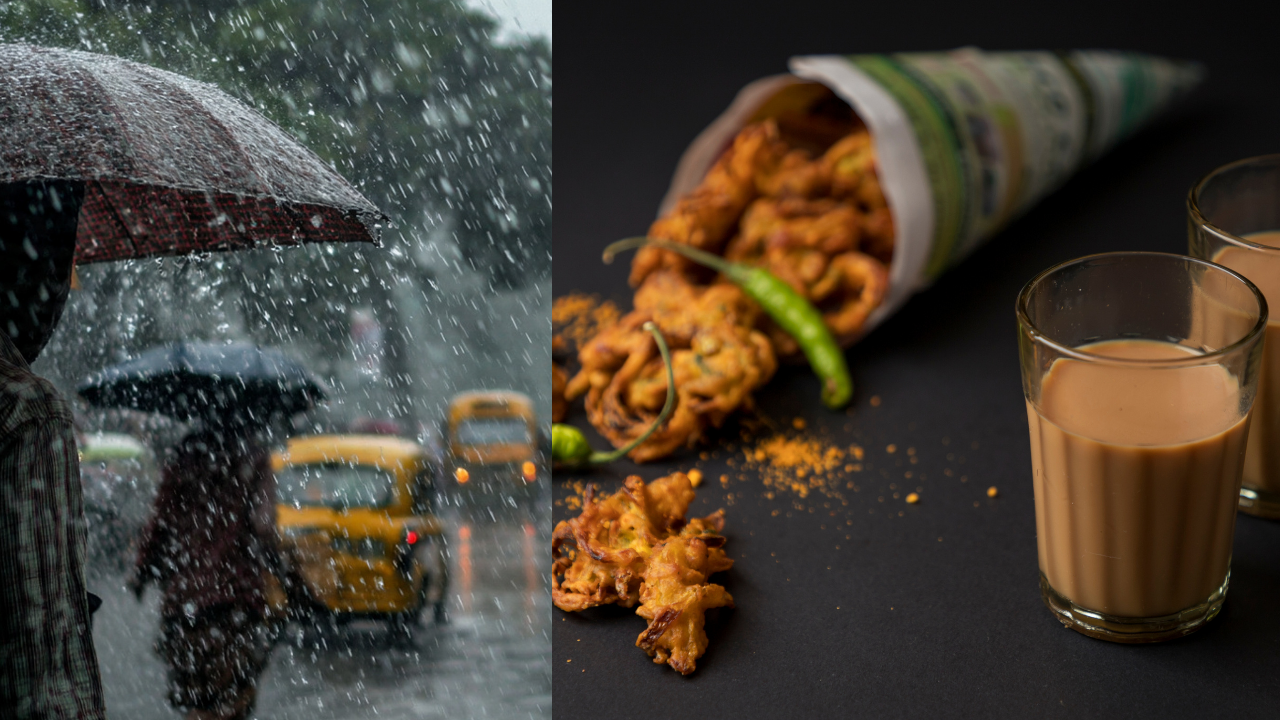
The next time the skies turn grey and you suddenly find yourself thinking about ginger chai and onion pakoras, remember that your brain is responding to far more than hunger. It’s recognising familiar weather, recalling childhood memories, responding to comforting aromas, seeking warmth, anticipating pleasure and recreating a ritual that’s been repeated for years. Perhaps that’s why this pairing has survived generations without ever needing a marketing campaign. It’s woven into the emotional fabric of the Indian monsoon. And maybe that’s the real secret. Chai and pakoras don’t just taste good in the rain, they remind us that some of life’s happiest moments have always arrived with dark clouds, a cool breeze, and the comforting sound of oil beginning to sizzle in the kitchen.