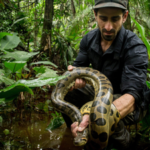






When American naturalist and conservationist Paul Rosolie first travelled to the Peruvian Amazon at 18, he was drawn to one of the world’s most extraordinary wildernesses. Two decades later, his work has evolved from exploring remote forests and studying wildlife into a long-term effort to protect the rainforest from illegal logging, road expansion and other threats. Working alongside Indigenous conservationist Juan Julio Durand and local communities, Rosolie helped establish Junglekeepers, a nonprofit focused on safeguarding the Las Piedras watershed in Peru’s Madre de Dios region. The organisation now reports that its rangers safeguard almost 160,000 acres of rainforest. But with illegal activities and drug trafficking threatening the region, the team says its work is far from over.
Paul Rosolie’s journey from Amazon explorer to conservationist
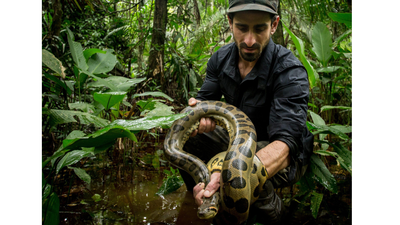
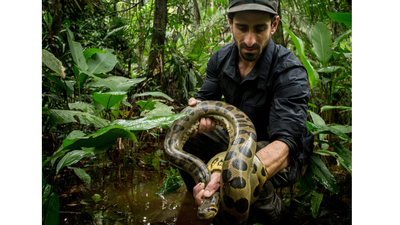
Rosolie’s connection with the Amazon began when he travelled to Peru as a teenager. Over the years, he explored remote parts of the rainforest, documented wildlife and became increasingly concerned about the destruction of habitats that had remained largely intact.One of the people who helped shape his conservation journey was Juan Julio Durand, a member of the local Indigenous community who was already working in the region. Their partnership grew around the Las Piedras River, a waterway in southeastern Peru that passes through ecologically important rainforest.According to Mongabay, Rosolie and Durand shifted their focus towards protecting the forest as roads and other forms of development began encroaching on the area. Their efforts eventually developed into Junglekeepers, bringing together local conservation work, ranger patrols and fundraising to help safeguard threatened rainforest.Rosolie has described the journey as a long and uncertain one. In a February 2026 interview with Mongabay, he reflected on the personal and financial sacrifices involved, explaining that it took roughly 20 years before he began to see conservation work achieve results on a larger scale.
What is Junglekeepers, and how does it protect the Amazon?
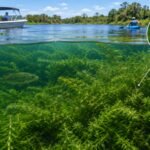
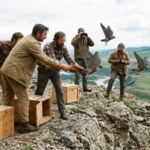
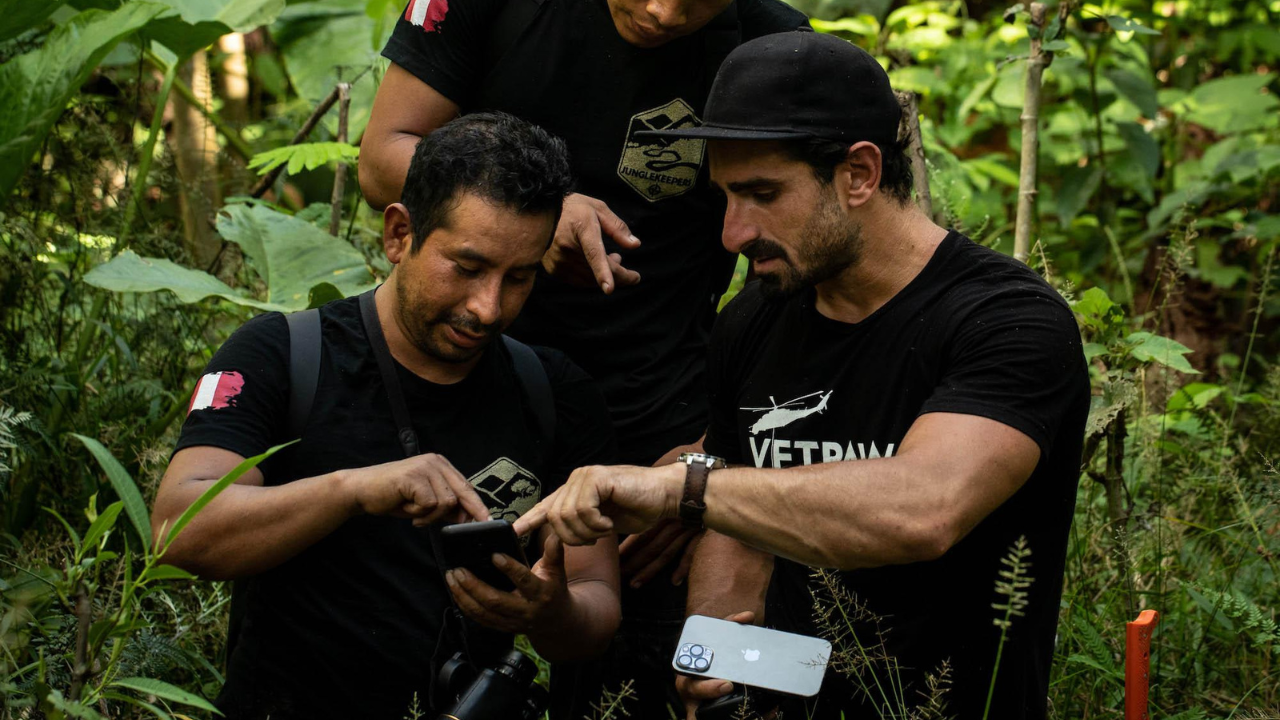
Junglekeepers works in the Madre de Dios region of Peru, focusing on the Las Piedras watershed, part of the wider Amazon rainforest. The area is known for its rich biodiversity and contains forests that face growing pressure from human activity.The organisation’s approach combines land acquisition, local employment and forest monitoring. According to Junglekeepers, it seeks to acquire land in areas threatened by logging and land grabbing, while employing local people as rangers to patrol and monitor the forest.The ranger programme involves more than walking through the rainforest. The organisation says its operating costs include ranger salaries, food and accommodation, boats, fuel, communications equipment, trail maintenance and ranger stations.By employing people with local knowledge, Junglekeepers aims to strengthen conservation efforts while creating livelihoods connected to protecting the forest. Its work also involves monitoring wildlife and responding to threats such as forest fires and illegal activity.
How much rainforest is the team protecting?
Junglekeepers’ reported conservation footprint has grown considerably in recent years. In its annual report announcement published on March 3, 2025, the organisation said it had expanded its protected area from 49,000 acres to 107,000 acres during 2024.Its current mission page reports that its rangers safeguard almost 160,000 acres. The organisation’s broader ambition is to protect approximately 300,000 acres across the Las Piedras corridor.
Illegal logging and drug trafficking threaten the forest
Despite the reported expansion, protecting the rainforest remains difficult. Junglekeepers identifies illegal logging, poaching, gold mining and road development among the threats facing the Las Piedras region.The concern is not limited to trees being cut down. Roads can open previously remote areas to further settlement and extraction, fragment habitats and make it easier for illegal activities to spread into intact forest.In its February 2026 interview with Mongabay, Rosolie also described the growing danger posed by drug traffickers operating in the region. He said the organisation had faced serious threats and was working more closely with Peruvian law enforcement because confronting organised criminal groups required capabilities beyond those of conservation rangers.The risks underline the difference between establishing a conservation area and ensuring that it remains safe over time. Rangers need equipment, transport, reliable funding and support from authorities to monitor remote areas and respond to threats.Junglekeepers’ January 2026 announcement of its End Game campaign also referred to escalating violence, including an armed vehicle ambush targeting conservation leaders and local communities. The campaign aimed to secure an additional 50,000 acres considered at risk.
Protecting the rainforest also matters for Indigenous communities
The Las Piedras region is home to Indigenous communities and includes areas associated with the Mashco Piro, also known as the Nomole, an Indigenous people living in voluntary isolation.Protecting the forest can help preserve the territory and natural resources on which Indigenous communities depend. For peoples living in voluntary isolation, incursions by outsiders can pose particularly serious risks, including exposure to disease, violence and disruption of their way of life.Junglekeepers has said that establishing a buffer zone is part of its effort to protect the Mashco Piro from incursions linked to illegal logging. The organisation’s work in this area must be understood alongside the need to respect Indigenous peoples’ rights, autonomy and decisions about contact with outsiders.Rosolie has discussed these challenges in interviews, including the difficult questions surrounding how outsiders should respond to the needs of isolated communities. Such issues require careful, rights-based approaches and consultation with appropriate Indigenous representatives and specialists.
Funding helps keep rangers in the forest
Conservation in remote rainforest is expensive, and Junglekeepers relies on donations and fundraising to sustain its operations.In December 2022, Age of Union Alliance, the environmental organisation founded by entrepreneur Dax Dasilva, announced a five-year commitment of $3.5 million to Junglekeepers. The announcement followed an earlier investment of $625,000 in 2021.Junglekeepers’ March 2025 announcement about its 2024 annual report said the organisation had raised $3.3 million during that year, a 469% increase compared with 2023. It also reported that 20% of donations were recurring.These figures refer to different funding announcements and reporting periods, so they should not automatically be added together as though they represent separate, unrestricted funds available to the organisation today.The money supports the practical work of conservation, from paying rangers and maintaining boats to buying land and monitoring threats. Sustained funding is especially important when conservation teams operate in remote locations where transport, communication and emergency support can be difficult to arrange.
Why protecting the Las Piedras corridor matters
The Las Piedras watershed forms part of the wider Andes-Amazon region, where the Andes and Amazon ecosystems meet. This broader landscape is recognised for its exceptional biodiversity, and its forests provide habitat for numerous species.Junglekeepers says wildlife recorded in the area includes hundreds of bird species, several kinds of monkeys and threatened animals such as jaguars, giant otters and harpy eagles. The organisation has also described using camera traps and other monitoring tools to observe wildlife and detect forest fires.These activities can help conservation teams understand what is happening in the forest and respond to emerging threats. However, the presence of wildlife or the use of monitoring equipment alone does not establish that a particular species’ population is increasing because of the organisation’s work. Demonstrating that would require comparable data collected over time.The broader conservation goal is to keep large areas of connected forest intact. Fragmentation can isolate wildlife populations, while roads and extractive activities can bring further pressure to ecosystems that have remained relatively remote.
A two-decade effort with a much larger goal ahead
For Rosolie, the work has developed from a young explorer’s fascination with the Amazon into a long-term commitment to conservation. His experience also illustrates how protecting a forest can require years of relationship-building, local partnerships, fundraising and repeated efforts to respond to new threats.Junglekeepers’ reported protection of almost 160,000 acres represents a substantial conservation footprint, but the organisation’s longer-term target is approximately 300,000 acres. Reaching that goal will require continued funding, cooperation with local communities and effective responses to illegal activities.