









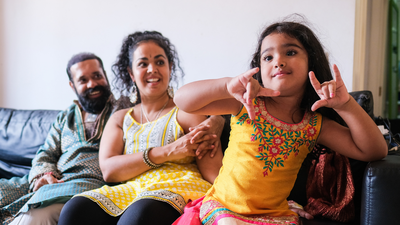
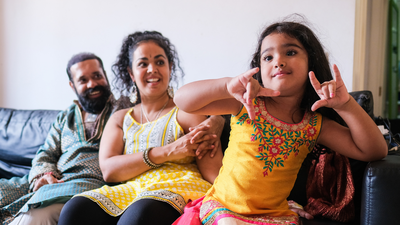
It begins from a place of pride and excitement. “My son is just 3, but you know he can count to 100” or “My daughter loves to dance,” these are the common phrases parents say when guests arrive or they meet a relative at a party. What starts as praise soon turns into a seemingly harmless performance demand. “Beta, come here and count to 100, uncle wants to hear it,” “Gudiya, show everyone your dance.” Some children do it because they want to, while some do it because their parents have told them to. But what happens when a child shies away or says no? They get to hear some other “common” phrases: “Why are you being so shy?” “Just do it once,” and in the worst cases “Don’t embarrass us.” However, these seemingly innocent moments can send a message children were never meant to receive.When a parent’s focus shifts from their child’s comfort to pleasing adults, it creates a pressure that goes far beyond singing a rhyme or showing a dance.
6 Jul 2026 | 14:01
What factors did you consider, or would consider, before choosing the right school for your child?
What goes through a child’s mind during these “requests”
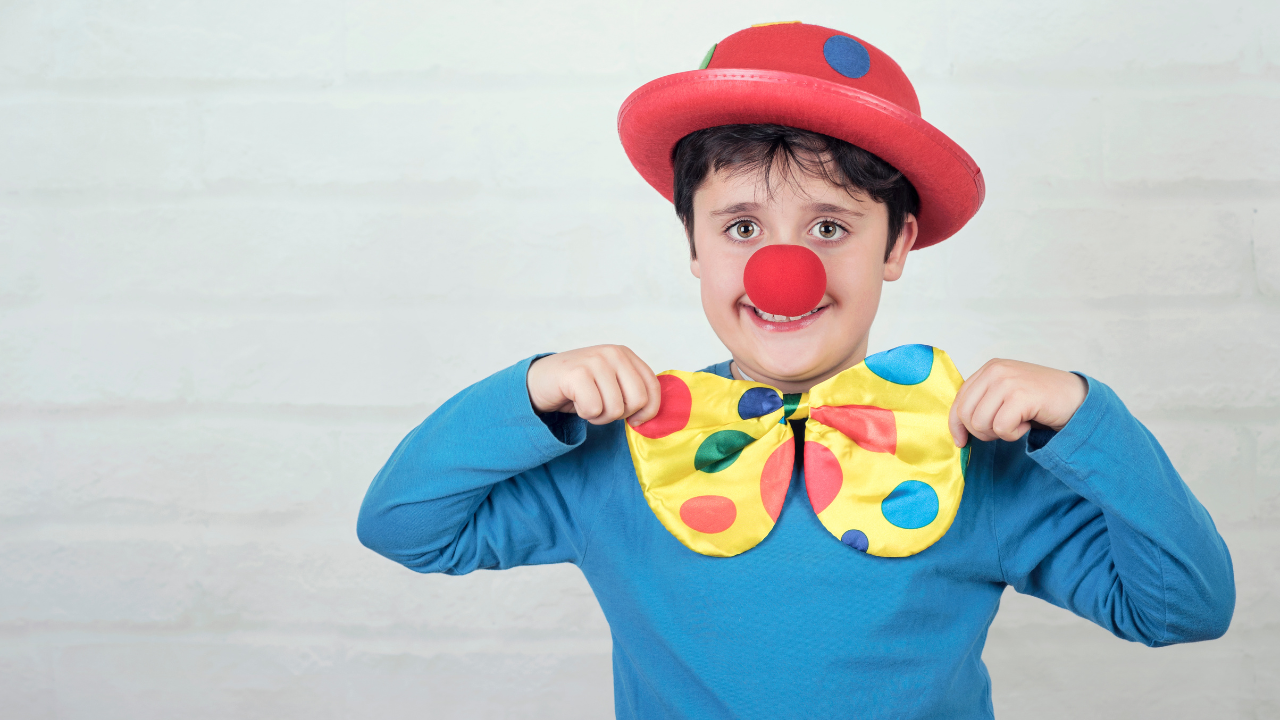
Parents, your child isn’t a showpiece: It’s time to stop these habits
While adults watch children perform reluctantly, the child’s mind processes many thoughts internally. The child starts to think: “What if I make a mistake?” “Will mom and dad get upset if I refuse?” “Do I have to earn everyone’s approval?” “ Will everyone think I’m not a good child?” Children often don’t yet have the language to express these emotions. Instead, they simply comply, even when they feel anxious.
What message it sends to the child
When parents repeatedly ask children to perform for others, they send a message bigger than just reciting a poem or dance. In fact, during these moments, they begin to believe that making other people happy is more important than listening to their own feelings. Over time, it unintentionally builds habits that make them: seek constant approval, feel guilty for saying no, connect their worth with their achievements, and become afraid of disappointing people.
Imagine if the roles were reversed
Imagine if you were in the child’s position, but as an adult. Consider a situation where a guest comes over and says, “Come, sing a song for us” or “Show us how well you speak?” Most adults would immediately feel awkward, self-conscious, or even irritated. Yet children are often expected to do exactly that, simply because they’re young. However, in reality, a child also deserves to make their own choice in whether they want to perform or not.
Parents need to understand the difference between celebrating and showcasing

Image: Canva
There’s nothing wrong for a parent to be proud of their child’s talents. Sharing about what they have achieved or what they are able to do is natural. However, the problem begins when expectations start replacing appreciation. The subtle difference matters because it is what makes children start feeling that they are valued not for who they are, but how perfect they are. And this is why the subtle difference between celebrating and showcasing matters.
The small change that will make all the difference
Giving children the freedom to choose between whether they want to showcase their ability or whether they don’t want to; is the key to undoing the mistake. The next time your relative visits, try replacing commands with choice. Instead of saying: “Come and show everyone your dance.” Try saying: “If you feel like it, you can show everyone your dance.” Or simply ask privately: “Would you like to sing that song for everyone today?” If your child says no, respect the answer.Because real confidence isn’t built by making children perform on demand. It grows when they know their feelings are respected, their boundaries matter, and they don’t have to earn love through performance.