









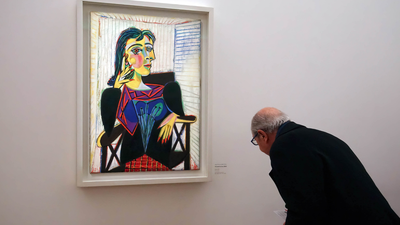
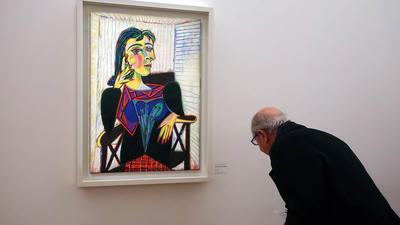
Pablo Picasso was a Spanish sculptor- painter, and one of the greatest artists of the 20th century. He was known for founding the Cubist movement, and often talked about the beauty and profundity of art, and his words resonate even today.Some quotes stay relevant because they speak to a way of thinking, not just a moment in history. But when Pablo Picasso talks about seeing “what could be” instead of only “what is,” his words remind us that art signals towards something bigger. It points to imagination, confidence, and the courage to look beyond what is already familiar.Instead of only noticing what is in front of the eyes, one should notice the possibility of what it could depict.
Quote of the day
Others have seen what is and asked why. I have seen what could be and asked why not
Pablo Picasso
What does the quote mean?
Picasso talks about the imagination and innovation. In simple words, it says that some people only look at the present reality and question it, while others look at the same reality and imagine a better version of it.Picasso was known for breaking old artistic rules, so this is a representation of his creative mindset, not just accepting what exists, but daring to imagine something new.The first part of the quote, “Others have seen what is and asked why,” describes a common human response. We look at a situation, a rule, or a system and ask why it exists. That is an important question because it helps us understand the world.But Picasso goes further. He says, “I have seen what could be and asked why not.” This means he was not satisfied with only understanding the present; he wanted to have his own futuristic version of it and imagine a future that did not yet exist.
The idea is relevant even today
Even today, when we ponder, we see that the new apps, better teaching methods, sustainable products, and smarter healthcare ideas often begin when someone imagines a better possibility and works to make it real. In that sense, Picasso’s quote is not only about art. It is about any field where improvement depends on original and novel thinking.