









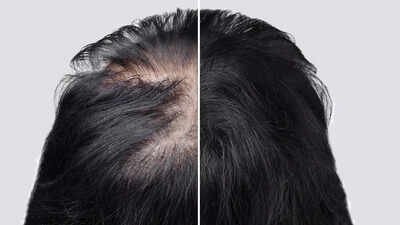
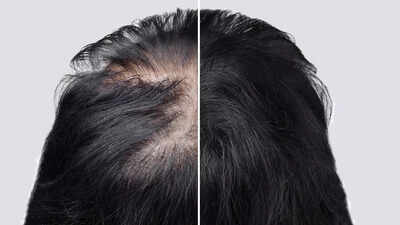
A medicine that’s been around for years as a treatment for arthritis is now being looked at for something quite different, helping people with alopecia areata regrow their hair.The drug is called upadacitinib. It’s a JAK inhibitor, a type of medicine that works on parts of the immune system. It’s already used to treat conditions including rheumatoid arthritis.Now, results from two large clinical trials suggest it could also help people with severe alopecia areata, a condition where the immune system mistakenly attacks hair follicles.
Some patients saw significant hair regrowth
The two Phase III trials included 1,399 people with severe alopecia areata. They were given either 15 mg of upadacitinib, 30 mg, or a placebo.After 24 weeks, the difference between the groups was noticeable.Almost half of the people taking the 15 mg dose had regained enough hair to cover at least 80% of their scalp. With the 30 mg dose, the figure climbed to more than half.Among those taking the placebo, only around 2% reached that level of hair coverage.Some patients saw even more regrowth. More than a third of those on the lower dose and nearly half of those on the higher dose achieved at least 90% scalp coverage.The improvements weren’t limited to the scalp either. Some participants also experienced better eyebrow and eyelash growth.
Why does an arthritis drug affect hair loss?
Alopecia areata is different from the usual hair thinning many people experience.It’s an autoimmune disease. Basically, the immune system mistakenly treats hair follicles as a threat and attacks them, which can lead to anything from small bald patches to extensive hair loss.This is where upadacitinib comes in.The drug blocks enzymes called Janus kinases, or JAKs, which are involved in immune-system signalling. By blocking some of these signals, the medicine may help reduce the immune attack on the hair follicles and allow them to start growing again.But don’t mistake this for a treatment for everyday hair lossThe results are encouraging, but there’s a big distinction to make.The people in these trials had severe alopecia areata. That doesn’t mean upadacitinib is a treatment for common hair thinning, receding hairlines or other types of hair loss.And because it affects the immune system, it’s a prescription medicine that comes with potential risks and side effects. Researchers reported issues including acne, colds and upper respiratory infections during the trials.Still, for people living with severe alopecia areata, the findings offer some welcome news. Hair loss can affect much more than appearance, and having a treatment that helps some patients regain a significant amount of their hair could make a real difference to their everyday lives.