









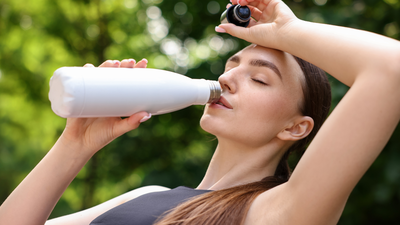
Water bottles have become a part of everyday life. From school to work, college to gym, a reusable bottle makes staying hydrated considerably easier. But while we think about the water we drink, how often do we think about the bottle holding it?A reusable bottle can collect bacteria from our hands, mouths, refill stations and countless surfaces throughout the day. Moisture inside the bottle can encourage bacteria to grow, especially when stored for long periods. Eventually, this can lead to biofilm, where microorganisms attach to the surface and become difficult to remove.Ayurveda, therefore advises using copper bottles for its water purification properties. But, stainless steel also rises as a popular choice, given its durability and easy maintenance.So, what material should you really use for your everyday hydration buddies?
Stainless steel: the practical everyday choice
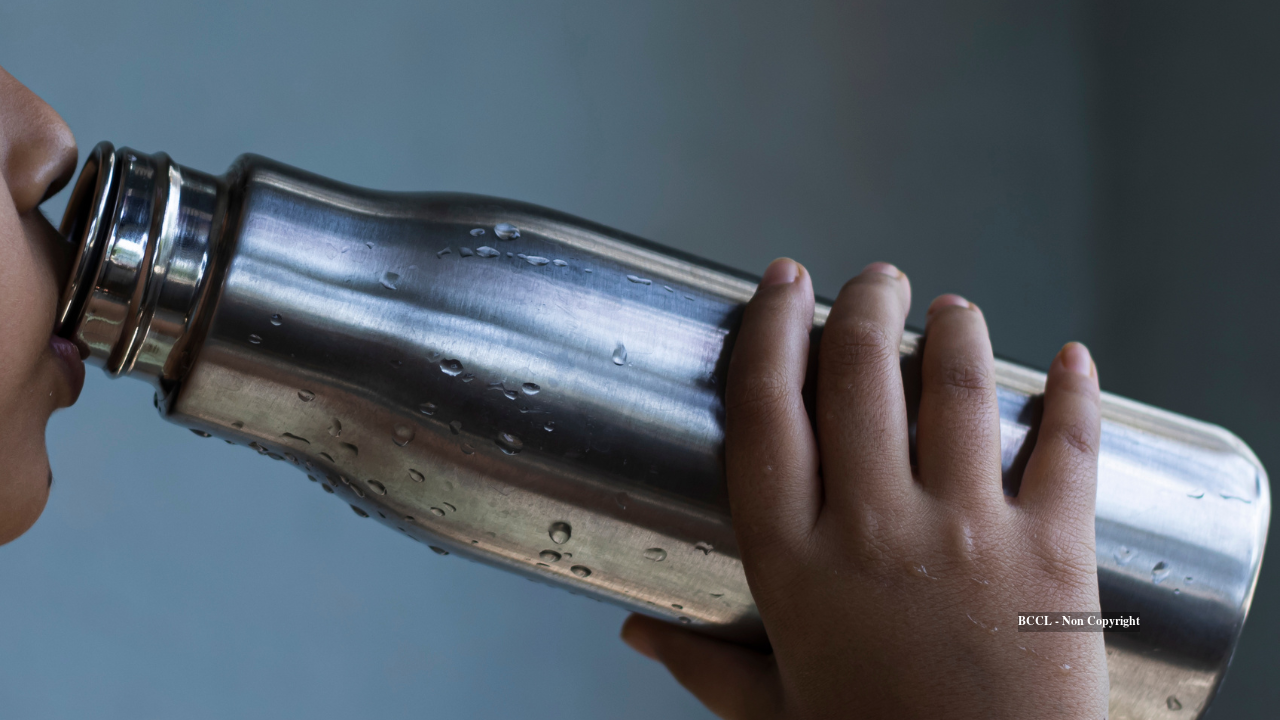
Steel bottles are commonly used for drinking water
Stainless steel has become a popular choice for good reason. It is durable, reusable and relatively easy to clean.A 2024 study by researchers in Saveetha Medical College, Chennai, compared stainless steel bottles with PET bottles. The researchers found a significantly higher microbial load in the PET bottles than in the stainless steel ones. Washing, however, reduced the microbial load in both types of bottles.In other words, stainless steel may offer a less favourable environment for microbial build-up than PET, but it does not kill bacteria on its own. The design of the bottle matters too. A wide opening is easier to scrub than a narrow neck, while a simple cap is easier to clean than one with multiple seals, straws and small crevices.Another study by BCIT Environmental Public Health Journal examined personal steel bottles and found bacteria present around the mouthpieces, highlighting the fact that the part we drink from can become a particularly important point of contamination.So, if your bottle spends days sitting on your desk, being refilled without being washed, the material alone is unlikely to save you.
Copper: antimicrobial, but not a health tonic
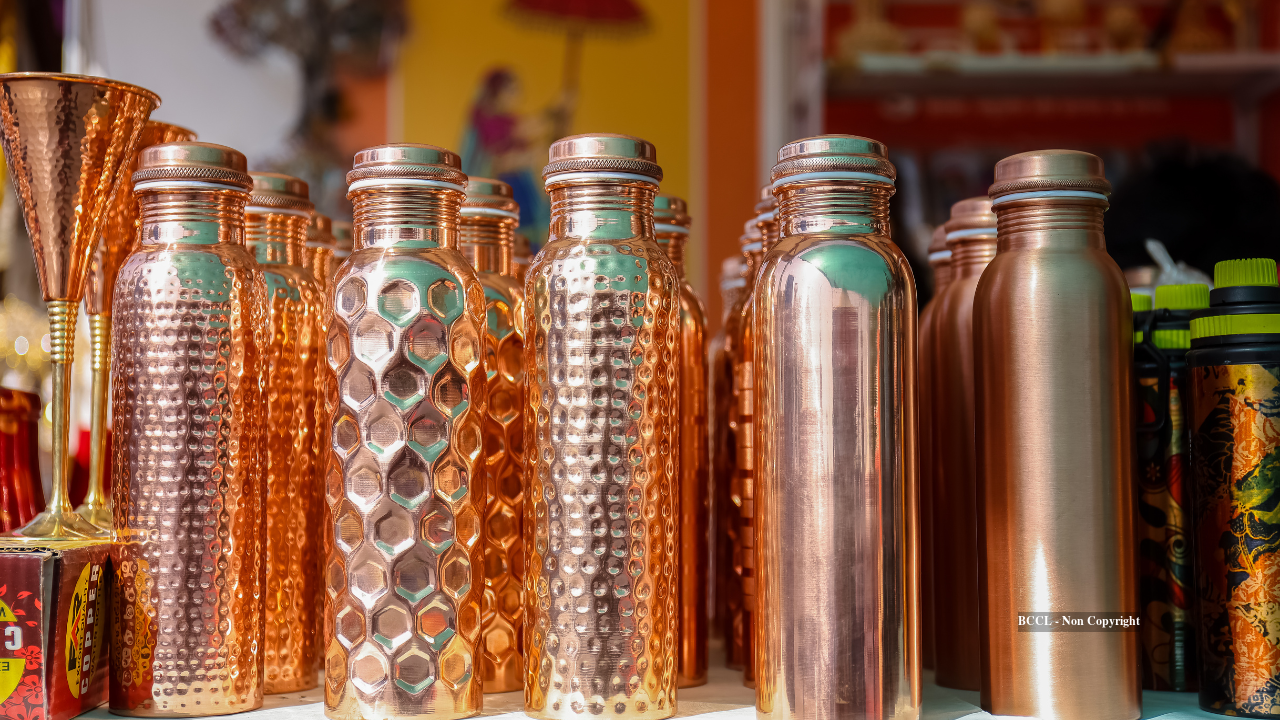
Copper bottles are often used for their antimicrobial properties
Copper, on the other hand, has genuine antimicrobial properties. Copper ions can damage microorganisms; thus, copper is revered in both traditional and modern sciences as a great water container.A study by the International Centre For Diarrhoeal Disease Research tested water deliberately contaminated with six bacteria associated with diarrhoeal disease. After the water was stored in copper pots for 16 hours at room temperature, the researchers could not recover the bacteria through their culture tests. The same effect was not seen in the glass-bottle controls.But, there is an important distinction between reducing certain bacteria in stored water and making water healthier to drink.The study found that a small amount of copper had leached into the water, around 0.177 mg per litre. This was below the WHO guideline value of 2 mg per litre for copper in drinking water.Copper is also an essential nutrient, but that does not mean more copper is automatically better. The WHO notes that excessive copper exposure can cause gastrointestinal effects, while people with conditions affecting copper metabolism, such as Wilson disease, can be particularly vulnerable. Copper levels in water can also increase depending on factors such as acidity and how long the water remains in contact with copper.More importantly, there is no good evidence here that drinking water stored in copper boosts immunity, improves digestion or provides some special form of hydration. Its antimicrobial effect is real, but many of the broader wellness claims surrounding copper water are a different matter.
So, which bottle should you actually use?
Copper has antimicrobial potential, but it should not be treated as a substitute for safe water, filtration, boiling or proper sanitation. Stainless steel does not actively kill bacteria, but it is durable, relatively stable and easier to use every day.
- Choose stainless steel if you want a durable, low-maintenance bottle for daily hydration.
- Choose copper only if you understand that its antimicrobial effect is limited and condition-dependent.
- Do not assume that copper water improves immunity, digestion or general health.
- Never store acidic drinks in a copper bottle.
- Wash the bottle, cap, mouthpiece and seals with warm soapy water.
- Let the bottle dry fully before closing it.
- Clean the bottle more carefully after using it for tea, juice, coffee, sports drinks or protein shakes.
- If you have Wilson disease, liver disease or concerns about copper exposure, avoid copper storage unless a medical professional advises otherwise.
The healthiest bottle is ultimately the one that is made from a safe material, used with clean water and washed regularly. Copper can help reduce some bacteria under certain storage conditions, but it is not a health-enhancing treatment. For most people, a clean, well-maintained stainless steel bottle is the simpler and safer everyday choice.