









Tea drinking has been more than just a practise in the mornings and evenings; it is a feeling that families and loved ones cherish and share their most precious moments.But as the kettle boils, leaves steep, a cup is poured, and once the last sip is gone, the soggy tea leaves usually end up in the bin without a second thought. It seems like the most ordinary kind of waste there is. But that little pile of spent leaves is not quite finished doing its job, and we hardly notice.But did you know that tea leaves can actually be used as a garden manure?Gardeners have been following this trick for years, and it is not just about the garden or balcony but about converting your kitchen into a manure factory.
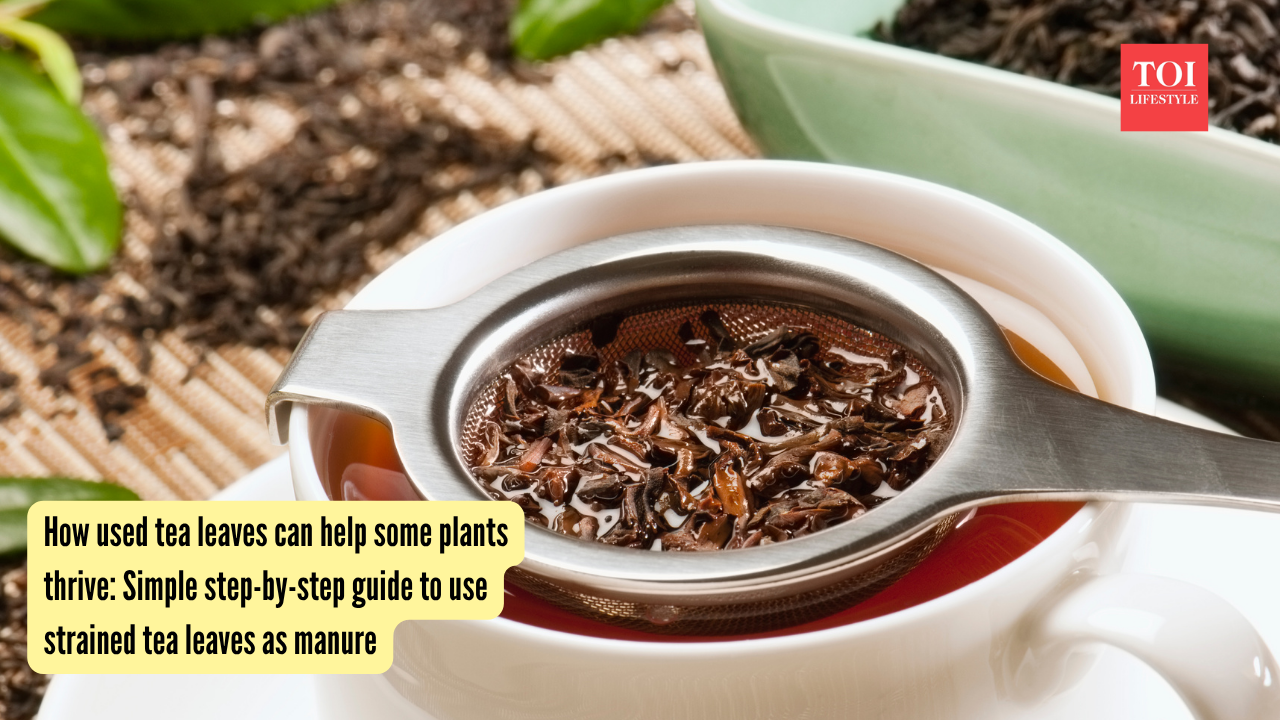
Strained tea leaves can be used as manure
Tea leaves are more than just kitchen waste
Used tea leaves and tea bags are rich in nitrogen, phosphorus, and potassium, which are key elements for healthy soil and plant growth. This makes these leaves a slow-release, low-cost nutrient supplement. So, home gardeners can just put them into their pots for a rich nutrient supply.
It gives a boost of Nitrogen and nutrients
Nitrogen is one of the nutrients plants need most for green, leafy growth, and tea leaves supply it steadily as they break down. Used tea leaves enrich soil with nitrogen, helping in lush growth and strong stems, and also help to improve soil structure and its ability to hold moisture; they work best as a light top dressing rather than being heavily fed.
It gives soil better texture and moisture retention
Soil health isn’t only about nutrients; texture also matters just as much. When mixed into topsoil, tea leaves add organic bulk that helps loosen tightly compacted ground and improves aeration. As tea grounds decompose, they increase nutrient levels, improve soil quality, and increase activity among earthworms and other beneficial microorganisms, which supports stronger root systems. Better-aerated, moisture-retentive soil means plants spend less energy struggling for water, and more energy simply growing.Here are some easy steps to use strained tea leaves as manure:Here’s how to actually put those tea leaves to work in your garden, no fuss involved:Let them cool and dry firstDon’t just dump wet leaves straight from your pan onto a plant. Spread them out on a plate or tray for a day so they’re not soggy, as soggy leaves can mould and not be healthy.Sprinkle them on top of the soilJust scatter a thin layer around the base of your plant and gently mix it into the top inch of soil. Use it just like a light seasoning, not a thick blanket.Mix them into your compost pileIf you already compost kitchen scraps, tea leaves fit right in. They break down quickly and help balance out drier materials like dead leaves or cardboard.Make a quick tea “brew” for wateringSteep the used leaves in a jug of water for a few hours, strain it out, and water your plants with that liquid once in a while as a gentle feed.Watch how your plant respondsOnce a week or every alternate week is plenty. Too much tea can make the soil more acidic than some plants like, so it is important to check first rather than just go on feeding your plants even if they don’t like it.