







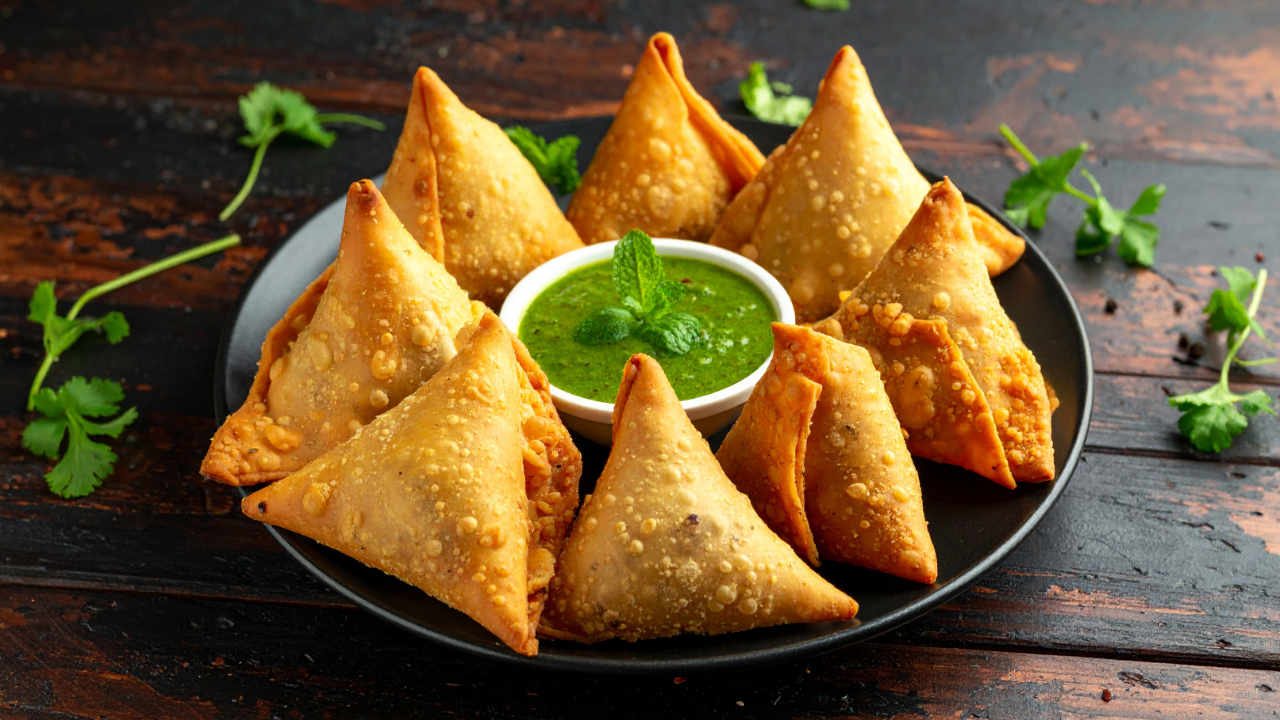
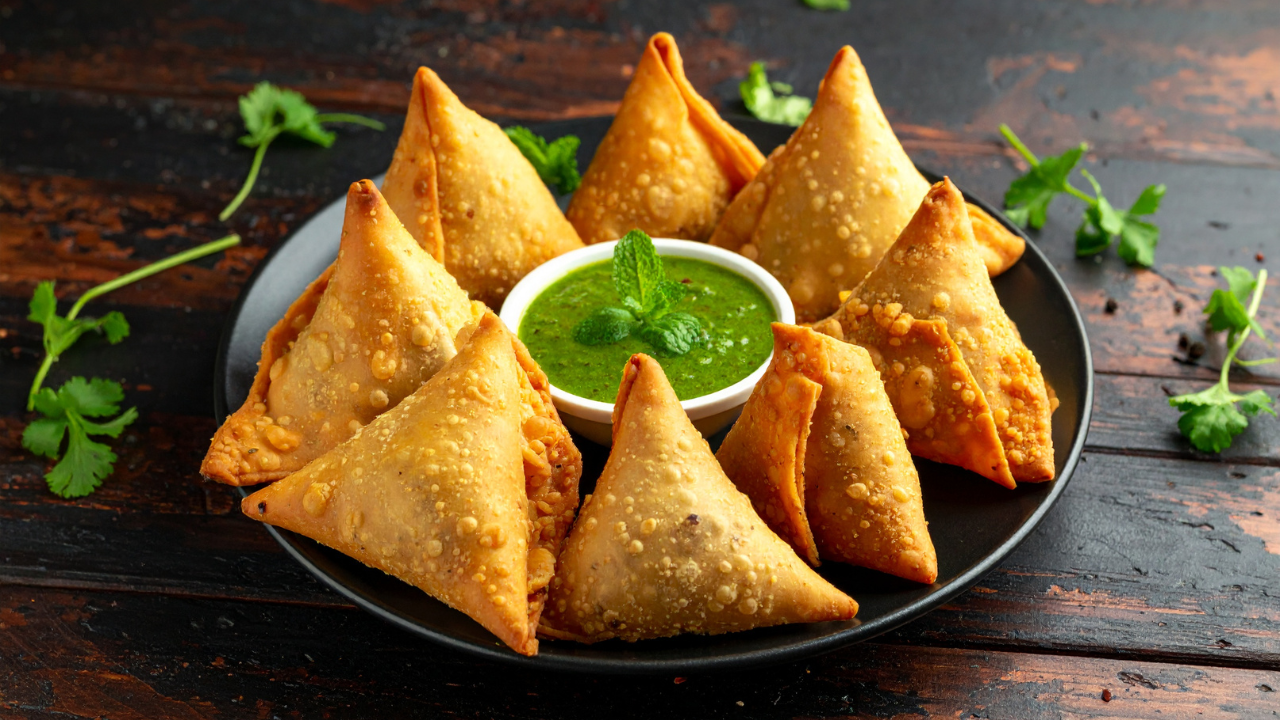
The early samosa was considerably different from the one most Indians know today. These small pastries were practical food for travellers, merchants and soldiers because they could be prepared in advance, carried easily and filled with ingredients such as minced meat, onions, nuts and spices.
As trade routes connected Central Asia, Persia and the Indian subcontinent, the stuffed pastry travelled with people. By the Delhi Sultanate period, it had found a place in Indian kitchens, including royal ones. This was not simply a case of a foreign recipe arriving and remaining unchanged. Indian cooks began adapting it to local ingredients, tastes and cooking traditions.
One of the earliest celebrated references comes from the 14th-century Moroccan traveller Ibn Battuta. While describing the court of Delhi Sultan Muhammad bin Tughluq, he wrote about sambusak, a thin pastry filled with minced meat, almonds, pistachios, walnuts, onions and spices and fried in ghee. Amir Khusrau also referred to samosa-like food enjoyed by the Delhi elite around the beginning of the 14th century. Later, the Mughal-era Ain-i-Akbari recorded sanbusa among foods prepared during Akbar’s reign, showing that the dish had become firmly established in the culinary culture of the subcontinent.