








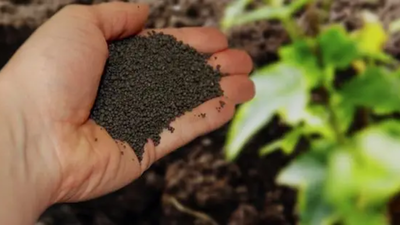
A century-old Milwaukee process transforms human waste into a bestselling lawn fertiliser, turning a disposal problem into a circular economy. This has saved over 10 billion pounds of waste from going to a landfill and being packaged into bags of lawn fertiliser. The waste that the city flushes away is sold to people who want a greener and healthier yard. The acting agent in the middle is a colony of microbes that ate the waste and then died.
Milorganite : From waste to fertiliser
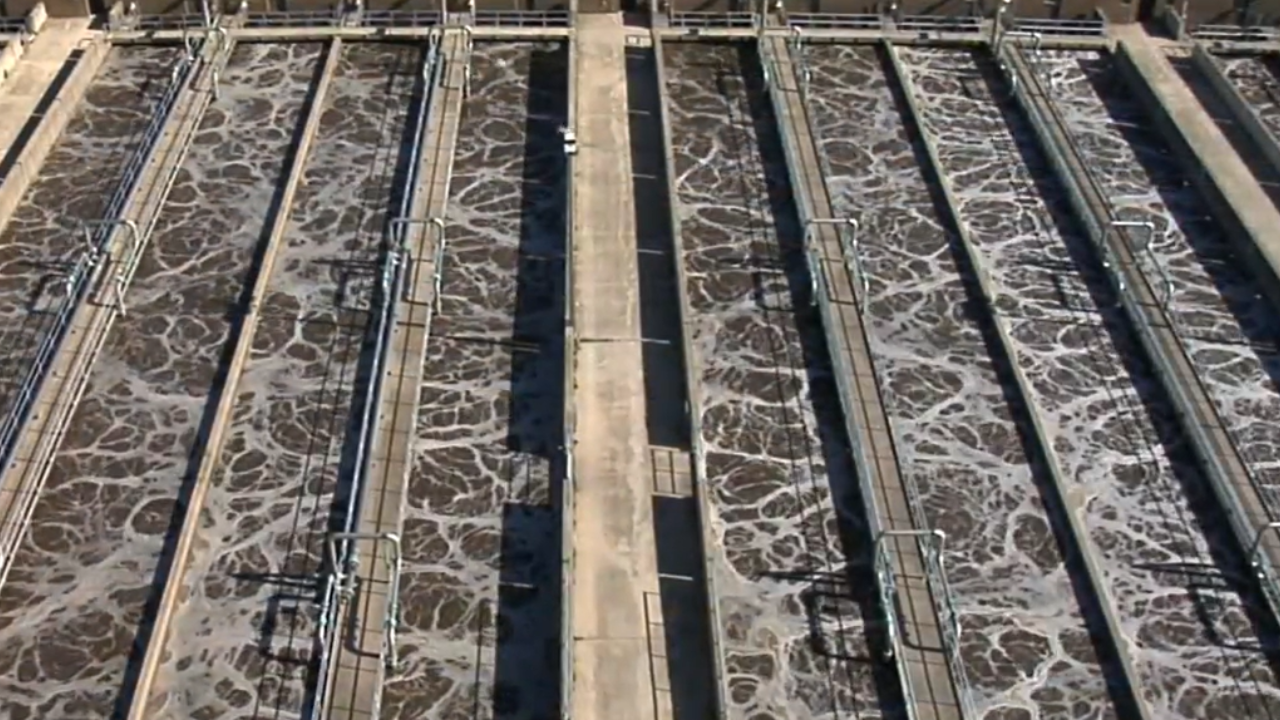
It is a slow-release fertiliser made by the Milwaukee Metropolitan Sewerage District and it comes out of the process of cleaning the city’s wastewater.
The product’s name is Milorganite and Milwaukee’s city sewer district has been making it since the 1920s. The name is a mashup of Milwaukee Organic Nitrogen. It is a slow-release fertiliser made by the Milwaukee Metropolitan Sewerage District and it comes out of the process of cleaning the city’s wastewater. The production began in 1926, with the first railcar shipping on February 10. The plant for the process is located at the Jones Island facility and Milorganite calls it the world’s first large-scale plant of its kind.The backbone of the entire thing is biology and not some extravagant machinery. Naturally occurring microbes are added to the incoming wastewater, where they feed on the nutrients dissolved in it. As they eat, they clean the water. Peter Coffaro, the district’s director of public engagement, put it plainly: “They are eating the material. It’s a short and happy life. They are eating a lot and they are reproducing.”Once the microbes run out of food, they die off. The cleaned water is disinfected and returned to Lake Michigan. Now, what is left behind is a mass of dead microbes which serves as raw material. The water is taken out of the mass and converted into a dry, stable material, safe to bag and sell.“In most treatment plant processes, it’s always about needing to remove that water and get that waste off, and generally it goes to landfill, and we are able to recycle that product,” said Coffaro.According to the maker, the dead microbes are dried in high-temperature rotating kilns “heated to 900–1200 ⁰F to kill pathogens and form pellets.” That temperature is the safety step. It turns a wet, biologically active sludge into a dry pellet that can sit in a garage.What comes out is a slow-release nitrogen product that the maker says feeds plants over about 8-10 weeks, which is the selling point for gardeners who don’t want a fast green burst followed by a crash. Nearly a hundred years later, the district serves over 1 million customers in 29 communities.
Saving space in landfills
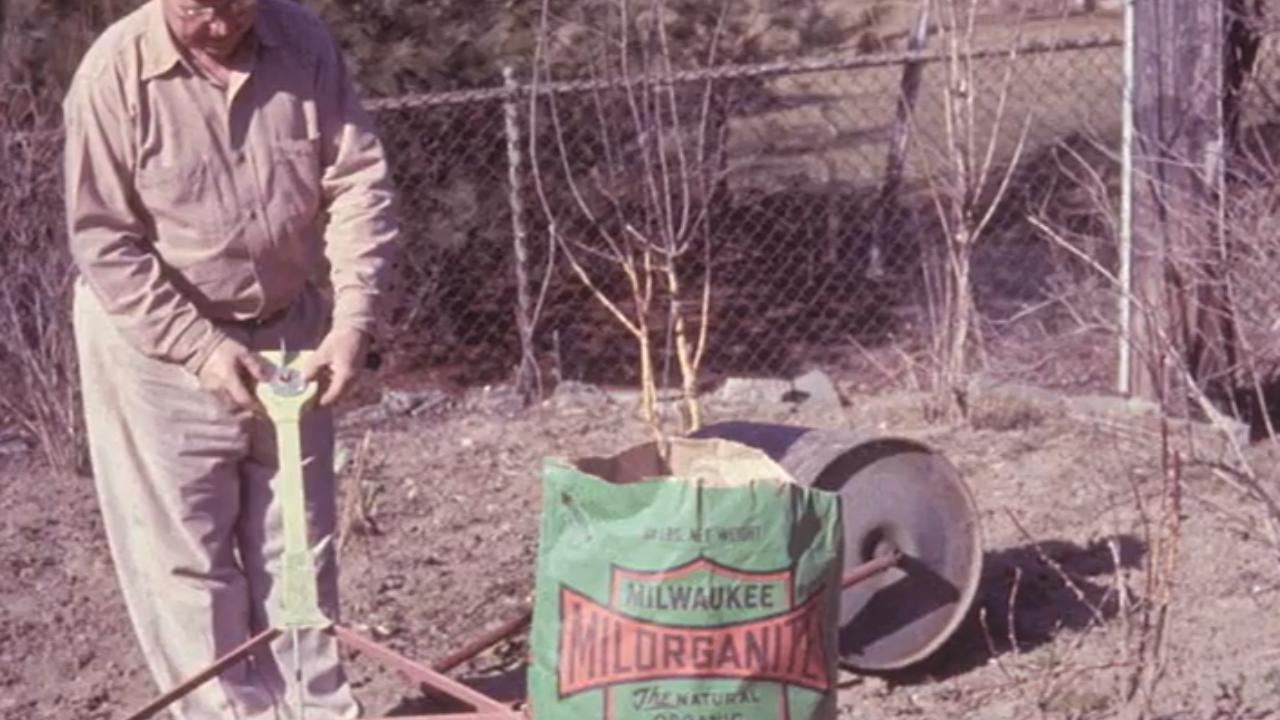
Nearly a hundred years later, the district serves over 1 million customers in 29 communities.
How does this help? Milorganite’s own history page puts the running total at over 10.5 billion pounds. The National Association of Clean Water Agencies, which gave the district an award, similarly credited it with having “diverted over ten billion pounds of nutrient-rich fertiliser pellets to residential, professional, and agricultural markets.”The entire process transforms the idea of “waste.” A landfill treats leftover solids as the endpoint, something to be buried and forgotten. But Milwaukee treats the same material as inventory. The microbes first clean the water, then become a product that enriches lawns and farms, eventually saving the city loads of cash it would shell to throw the waste away. Moreover, what makes the Milwaukee process even more vital is that it has been going on for a century, substantiating its worth.