








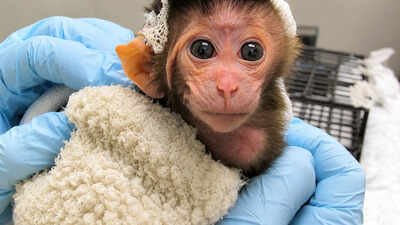
Newly released footage from the animal rights group Peta shows infant macaques, some only two days old, separated from their mothers and subjected to neurological tests at the University of Washington’s National Primate Research Center (WaNPRC). The video offers the first filmed look inside these experiments. It shows tiny monkeys shrieking in fear and gripping blankets, their only form of comfort, as researchers shave their heads, attach electrodes and test their reflexes and memory to determine whether exposure to a neurotoxin in the womb has damaged their developing brains. Peta obtained the video through a records request in September 2026. It was filmed between 2017 and 2019.
Days-old baby monkeys separated from their mothers and killed after the experiment
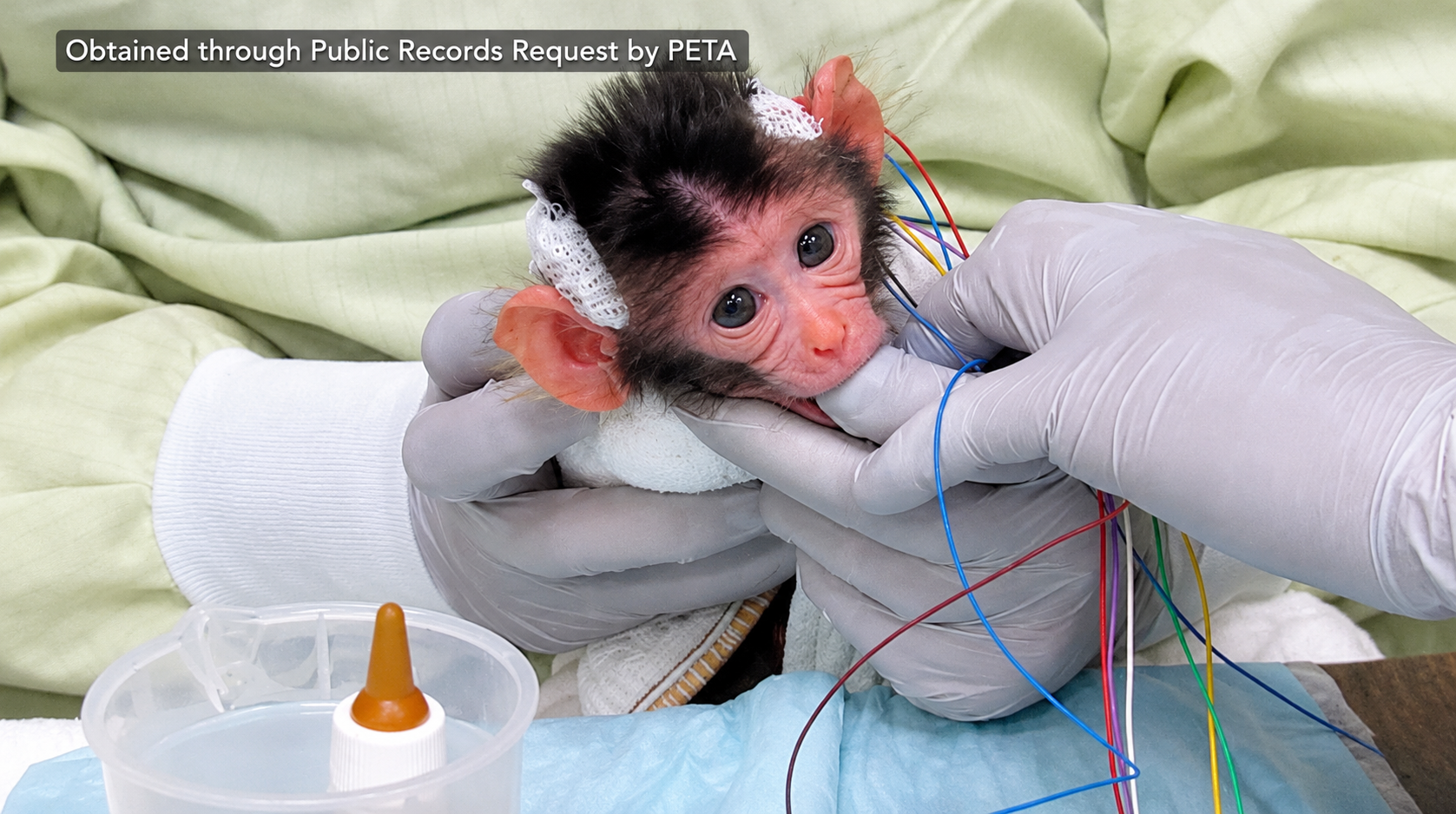
Pic credit: Peta
Newborn monkeys were separated from their mothers as part of an experiment investigating domoic acid, a neurotoxin produced by marine algae that accumulates in shellfish and can cause illness in humans. Researchers tested whether exposure to the toxin before birth damaged the infants’ brains. To do this, they dosed 32 pregnant macaques every day. After birth, 28 infants were taken from their mothers, bottle-fed, kept in incubators and later housed alone from the age of three weeks.In the heart-breaking video, the baby monkeys are seen sucking their fingers, screeching and jerking as scientists shave their heads and check their reflexes and memory.Dr Lisa Jones-Engel, Peta’s chief science adviser on primate issues, described the distressing conditions the infant monkeys endured during the experiments. “These monkeys are so young they still have the distinctive black fur of newborn macaques, yet instead of clinging to their mothers, they grasp blankets on metal tables,” the adviser told The Guardian. Jones-Engel spent 17 years as a primate scientist at the university before becoming one of its most outspoken critics. She has spent 35 years working as a primatologist.
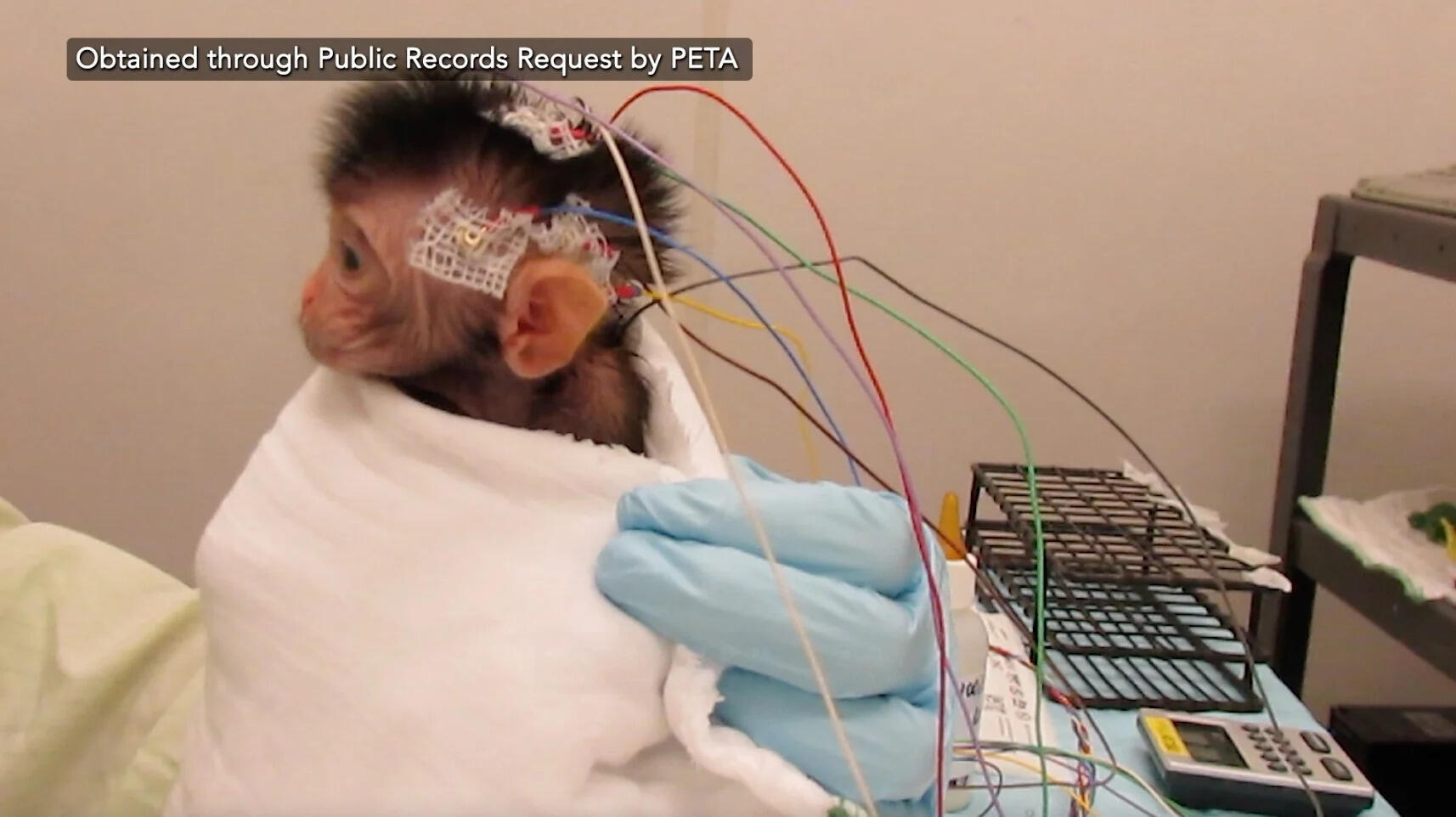
The project ran from 2014 to 2020 and received more than $4.2 million in funding from the National Institutes of Health (NIH). Some experiments lasted years. Peta says the monkeys were killed once the work ended. The research programme has operated at the university’s infant primate lab since 1971.Macaques are social animals that live in groups in the wild. Maternal care is essential for their social and behavioural development, Dr Malene Hansen, a long-tailed macaque expert, told the publication.Responding to concerns over the treatment of the infant monkeys, the Washington National Primate Research Center told The Guardian: “We recognise that research involving infant animals raises important questions about their wellbeing. Maternal relationships and early social development are important considerations in nonhuman primate welfare. Our experienced veterinary and animal care personnel have specialised expertise in primate care, including nursery rearing.”The NIH said it places a high priority on laboratory animal welfare. “All animals used in NIH-supported research are protected by laws, regulations and policies designed to ensure the smallest possible number of animals are used and their welfare is prioritised.”The WaNPRC said it is not currently conducting studies involving infant monkeys, although approved protocols for such research remain active.
Unethical experiments
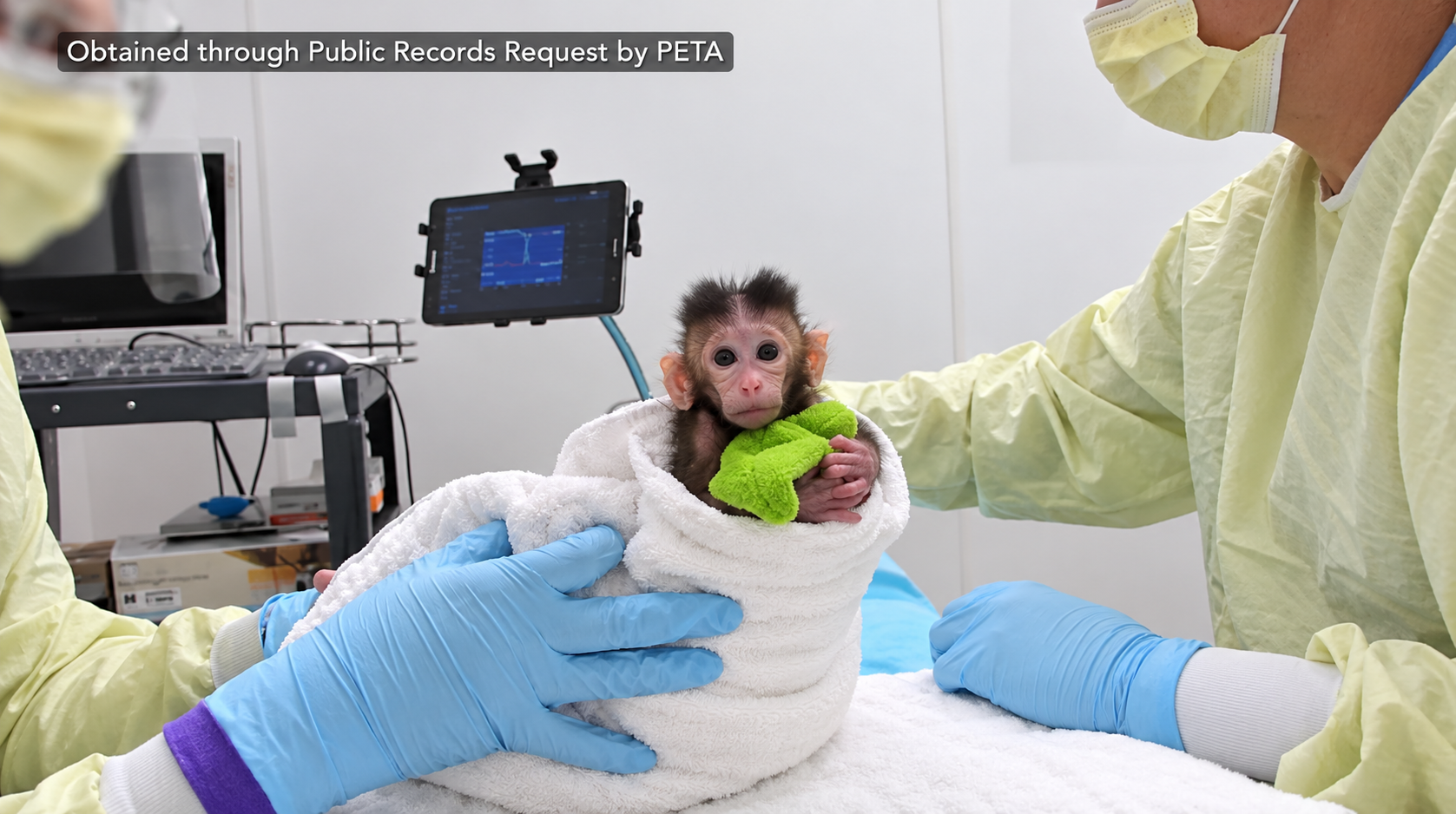
Infant monkeys cannot thrive without their mothers, making separation itself unethical. “It is unethical to conduct research that separates infant macaques from their mothers. Period,” Hansen added.Jones-Engel makes a similar point about the reasoning behind the work. “There is no moral escape hatch. You can’t claim primates are used because they’re so like us, then take an infant away from its mother and experiment on it. You would never do that to a human primate. The cruelty also has biological consequences: maternal separation alters an infant’s physiology, immunity, behaviour and development, distorting its response to the very substance or disease being studied.” Jones-Engel’s transition from animal researcher to campaigner is documented in the new film Sentient.Jarrod Bailey, a research scientist, argues that biological differences often mean monkey experiments fail to produce treatments for human diseases, including HIV/AIDS, Alzheimer’s and Parkinson’s. “We pay the price in failed treatments; monkeys pay with their lives. A shift away from monkey experiments would benefit all primates, including humans.”This footage offers a rare glimpse into experiments involving monkeys. Jones-Engel added: “For decades, the term ‘primate research’ has obscured the reality inside laboratories. These videos expose the suffering and raise a fundamental question: why are these facilities still operating at all?”The university says it is working to replace, reduce and refine animal experiments, although it maintains that “animal studies remain necessary for some complex scientific questions”. Peta is calling for the closure of all seven US National Primate Research Centers. “This is the same facility where Beth Buffalo deprives elderly monkeys of food and water to compel them to stare at a computer screen for up to nine hours in exchange for drops of juice, claiming this allows her to understand how the brain ages,” Peta said. The animal rights group has urged the public to share its video on social media and take action to help shut down the Washington National Primate Research Center.In the US, federal agencies are moving towards alternatives to reduce animal testing, including new approach methodologies such as organ-on-a-chip technology and computer modelling. Even so, more than 106,000 monkeys were held in US facilities in 2025, up 1.5 per cent from 2024. Between 2025 and 2026, more than 32,000 primates were imported from Asia and Africa for laboratory use, the publication said.