








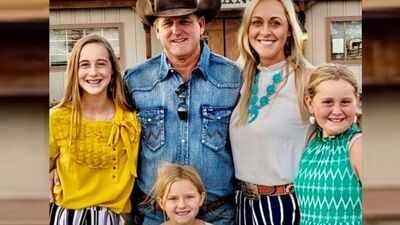
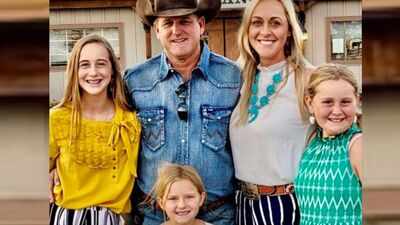
A Colorado rancher who spent $50,000 fighting oil infrastructure on his 7,000-acre property has won approval for a wind project on the same land. Weld County commissioners voted 3-2 on Wednesday to approve the project, nearly a decade after oil development began affecting his ranch.According to Cowboy State Daily, Scott Salo bought the ranch in northern Weld County in 2014 after running a farm and feedlot in Torrington, Wyoming, with his wife for almost 15 years. The family moved to Colorado to ranch and rebuilt the property, including facilities for their cattle.In 2017, an oil company approached Salo about placing drilling infrastructure on his property. The company wanted to reach oil and gas reserves beneath neighbouring properties through horizontal drilling. Those properties had conservation easements limiting surface disturbance, so the well pads had to be placed on Salo’s land.Salo opposed the drilling, but the minerals beneath his property had already been sold by the previous owner. This created a split estate, meaning Salo owned the surface but not the minerals below it. A two-year legal fight followed and cost him $50,000.
Years of oil development
Salo said oil company lawyers pressured him to sign an agreement allowing the infrastructure and offered little compensation for the disruption.“They threatened and threatened and threatened,” Salo said. “We were just fortunate enough to have a super powerful attorney that I guess struck some level of fear into them. But when you don’t own the minerals beneath you, you only have so much leverage.”His lawyer eventually negotiated an agreement allowing the drilling pads to remain. Salo said the payments he receives are small compared with the royalties collected by mineral owners and neighbours.“The rules are all girded in favor of oil and gas,” Salo said. “I’m not against oil and gas. But this about destroyed me as a person, because you feel really helpless.”More than 350 acres of his ranch are now mapped for roads, well pads and compressor stations, according to Salo. He said pump jacks and tank batteries are visible from his home and there is traffic on the property throughout the day.“Every day, 24/7, there’s traffic on and off our ranch,” he said. “When you didn’t want them there in the first place, it’s an unpleasant experience. Let’s put it that way.”That experience influenced how Salo viewed another energy project when a wind developer approached him in 2023.
Wind project brings new opportunity
Chalk Bluffs Wind LLC, a subsidiary of Utah-based Enyo Power Partners, approached Salo about leasing part of his ranch for its Chalk Bluffs Energy Project.The planned development covers roughly 25,000 acres and includes 79 wind turbines in Weld County and about a dozen more in Laramie County, Wyoming. At full build, it could include up to 380 megawatts of wind power, 425 megawatts of solar power and 500 megawatts of battery storage.
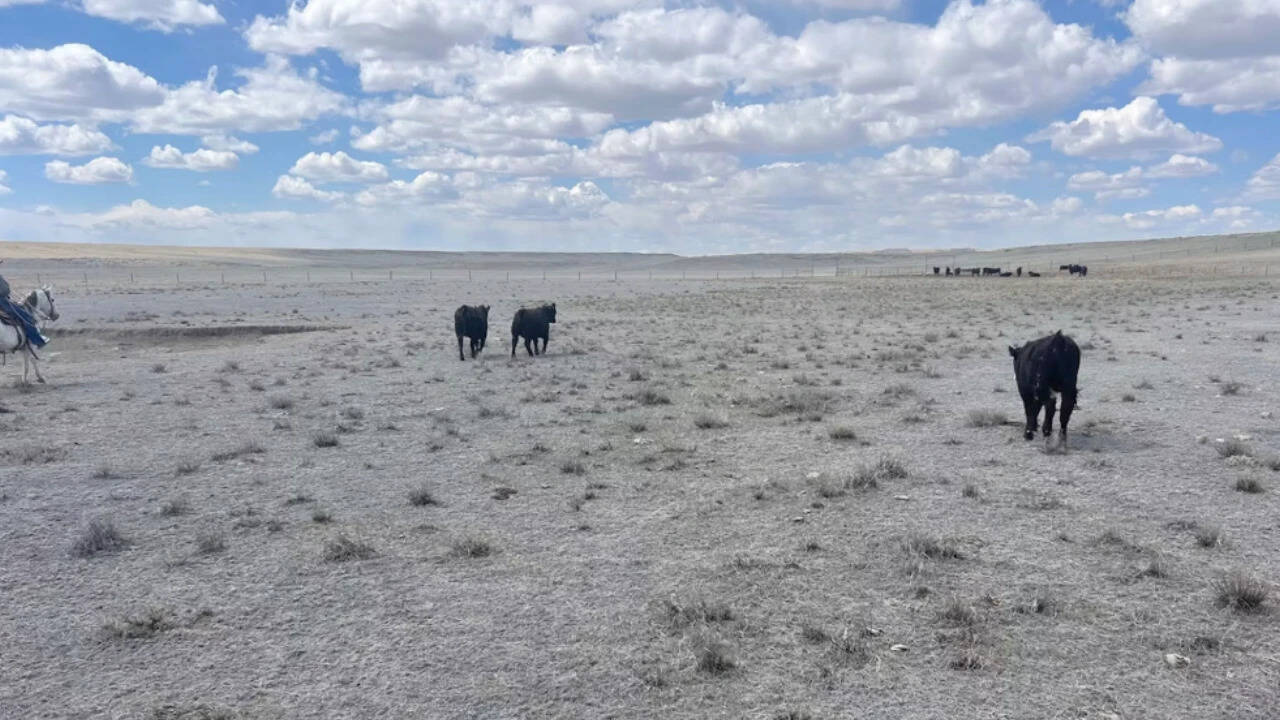
The part of the Salo ranch where wind turbines are planned
Salo agreed to lease about 18 acres. However, opposition soon emerged through a campaign called Save the Chalk Bluffs. Opponents raised concerns about pronghorn migration, raptors, bats, views and the area’s agricultural character.The developer said the project was designed to avoid state and federal raptor nest buffers and would leave a wildlife corridor more than two miles wide. Colorado Parks and Wildlife recommended moving four turbines farther from the escarpment.Nearby landowners also objected, saying the project could fragment habitat for raptors, elk, mule deer and pronghorn, while affecting views and grazing land.
Rancher says wind can support his daughters
Salo said oil and gas development had already changed his land while allowing neighbouring ranchers to benefit financially from their mineral rights.“How is it ok for them to extract the energy they’re getting paid for and disturb the surface on us, but it’s not ok for us to sell wind?” Salo asked. “My neighbors have been able to bring their kids home through oil and gas royalties.”He said wind income could help his own daughters continue the family ranch. “Two of our three girls, they have straight A’s but they don’t want to go to college,” Salo said. “They want to do what we’re doing. We’re trying to think about the next generation and the generation beyond that.”He said the lease income could help him buy more land and cattle so his daughters can return to the ranch without taking on decades of debt.“That’s why we’re losing so many agricultural young people,” Salo said. “The kids want to come back, but there’s just there’s nothing there for them.”
Commissioners split over approval
Nearly 50 people testified during a nine-hour county hearing, with most urging commissioners to reject the project.Commissioner Jason Maxey voted against approval. He said the application met many requirements but questioned whether the project fitted the surrounding area and the county’s plan to preserve agricultural land.“It was a great application,” Maxey said. “They checked all the boxes, but it is still incumbent on us as commissioners to ensure that the application and the proposed use actually fits into our code and works with the surrounding area.”Commissioner Kevin Ross voted for the project. He said the developer had made voluntary commitments to reduce its effects on neighbouring properties.“They had done more stuff that was voluntary and not even required in our code than I had ever seen in any submission before,” Ross said. “Therefore I thought it was compatible with the area and a great project.”The 3-2 approval clears the biggest local hurdle, but construction cannot begin yet. Enyo still needs to complete engineering work, utility agreements and other approvals.Salo expects construction could be one or two years away. He plans to continue raising cattle around the turbines and hopes the wind income will help keep his daughters connected to the family ranch.