









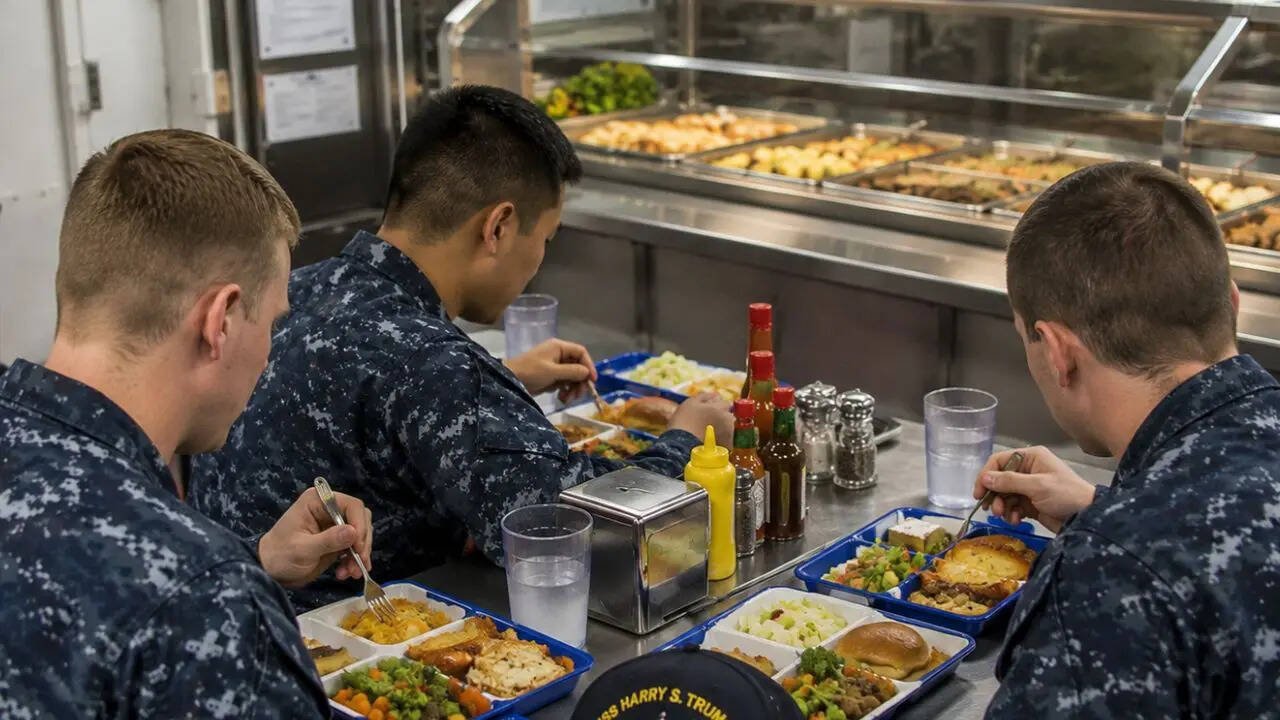
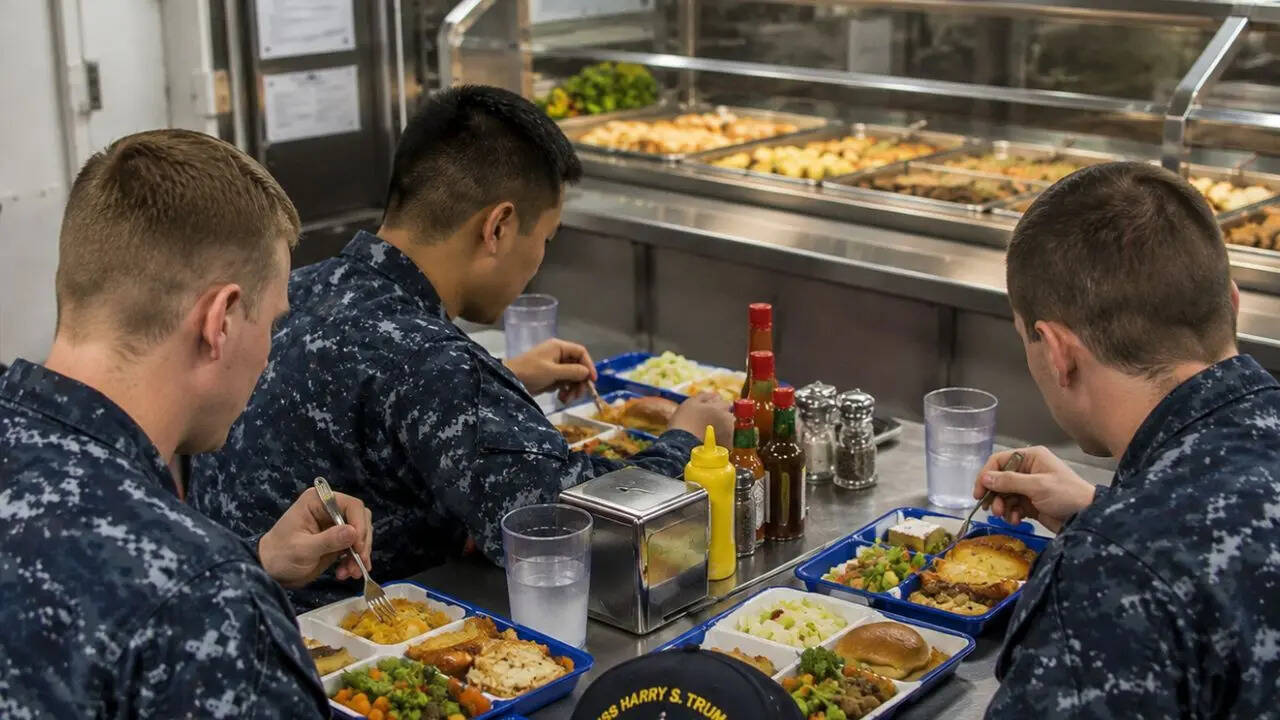
Life at sea runs on routine, and food is part of that rhythm. On a ship, the galley is not just a kitchen; it is a pressure valve, a morale booster and one of the few places where the day can briefly feel normal. The U.S. Navy says its galleys are part of a long tradition of feeding sailors at sea and ashore, and submarines have an especially tight food reality: fresh food is only practical for about two weeks before crews shift to canned, dried and frozen stores. That is why shipboard menus tend to favor foods that are filling, durable and easy to serve in motion. That does not mean Navy life at the table is dull. It means the best shipboard food is usually the kind that can survive a rolling deck, a demanding watch schedule and a crew that needs steady energy more than culinary drama. In official Navy and naval training materials, the recurring winners are simple: oatmeal, eggs, bagels and biscuit sandwiches, fruit and yogurt, trail mix and granola bars, and coffee or tea. Put together, they tell a clear story about how people eat when the ocean decides the timetable. According to, Fleet and Family Readiness (FFR), an official website of the United States government, “Today’s Navy galleys are a part of the decades-long tradition of providing hearty meals for Sailors at sea and on shore. Over the years, galleys have evolved to reflect popular tastes in ethnic foods, such as Asian, Mexican and Italian cuisine. Many galleys also add a touch of local flavor, while emphasizing healthy meal choices. Ashore galleys are vital to readiness, serving more than 28 million meals annually. CNIC provides the resources required to ensure nutritious meals are offered in excellent facilities staffed with highly-trained Navy and civilian personnel.”