








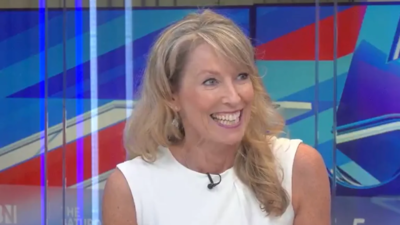
Most pregnancy announcements get cheers. Dr Renée Hoenderkamp’s got something closer to stunned silence.On November 14, the NHS nurse practitioner and GB News co-host told viewers mid-broadcast that she was 12 weeks pregnant. She is 59. The baby will be her third, after a 37-year-old son and a daughter who is now eight. She says she had been sitting on the news and finally decided to share it on air.
5 Oct 2026 | 12:06
Parents, when your child refuses to greet relatives, do you make them say hello or respect their choice?
Her co-hosts, an all-male panel, didn’t know what to make of it at first. One said he was confused. Another asked if she was joking. Then the penny dropped, the congratulations came, and one of them stood up to hug her.Online, the reaction was messier. A lot of people were happy for her. Others weren’t, and the most common objection was about the child: would a parent in her sixties be around to see them grow up?
How she got here
Hoenderkamp took on that criticism in a piece for the Daily Mail, where she laid out a path to motherhood that was never especially tidy. She had her first child at 21. Years later, with her career settled and her life in a different place, she wanted another, and her daughter arrived when she was 50.This pregnancy, she explained, came from eggs she froze in her 30s and then IVF. The embryos were screened for chromosomal abnormalities, and the third attempt worked.That detail is the key to the whole story. Frozen eggs from a much younger body are a very different thing from conceiving naturally at 59, which is extremely rare. Her experience says little about what most women can expect from their own fertility.
What the medicine says
Even in healthy women, age adds complications. The US National Institute on Aging notes that fertility drops with age, especially after 35, because both the number and the quality of eggs fall. Later pregnancies also bring a higher chance of miscarriage, chromosomal conditions, gestational diabetes, high blood pressure and premature birth. Outcomes still vary a great deal from person to person, and close medical monitoring helps.Embryo screening can catch some chromosomal problems. It can’t promise a healthy pregnancy or rule out every complication.
The double standard question
Hoenderkamp made a point that struck a chord with many readers. Her husband is 66, and nobody has questioned his fitness to be a father. Men who have children late are rarely met with the same scrutiny.She has a fair argument, but it only goes so far. Male and female fertility really do work differently, and worries about who will care for a child over the long term aren’t automatically prejudice. Both things can be true. Still, it’s reasonable to ask why a woman’s age should invite moral judgment when a man’s often doesn’t.
What kids actually need
Warmth, stability, attention and a sense of security matter most to children, and none of those belong only to younger parents. Older parents do have extra planning to do, though: money, family backup, and a clear idea of who steps in if their health changes.Hoenderkamp admits she can’t guarantee she’ll be around when her daughter is 20 or 30. Her answer is that no parent can promise that. In her essay, she says the baby will join a family that wanted her and loved her already, and that this is worth celebrating.Her story isn’t advice to put off having children. It’s a reminder that these decisions are deeply personal, and that the medical risks still deserve honest attention.Disclaimer: This article discusses one person’s pregnancy and is not medical advice. Pregnancy at an older age carries added health risks. Anyone thinking about pregnancy or fertility treatment should speak with a qualified fertility specialist and an obstetrician.