









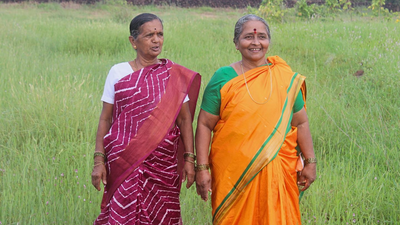
For decades, Supriya Gawade and Kavita Manjrekar have worked in the rice fields of Talekarwadi village in Maharashtra’s Sindhudurg district. From preparing the land and sowing seeds to transplanting, weeding and harvesting, much of the work has fallen on women. But in recent years, farming has become more difficult. Labour is harder to find, wages and fertiliser costs have increased, and rainfall has become less predictable.Both women, now 65, decided to try a different way of growing rice. They are members of Streeshakti Mahila Gat, a collective of 20 women farmers that adopted the System of Rice Intensification (SRI) this season. The method changes how rice seedlings are planted and how water and nutrients are managed.Their experiment is part of a wider initiative in which 1,000 women farmers across 25 villages in Sindhudurg have adopted the method on a combined area of 100 hectares. According to a report by the United Nations Development Programme (UNDP) India, the initiative has recorded an average rice yield of 55.2 kg per 100 square metres under SRI, compared with 34.9 kg from traditionally cultivated plots. This represents an increase of about 58% in the field trials.
Why the women decided to change how they farm
Supriya grew up in rural Sindhudurg and began working in rice fields as a teenager. Kavita, in contrast, was born and raised in Mumbai before moving to the village in her forties and taking up farming.Both have experienced the physical demands of rice cultivation. In the UNDP report, Supriya explains that women handle almost every stage of the crop cycle, from May, when the land is prepared, until the October harvest. The work is carried out alongside household responsibilities.Kavita says their small plots, usually around 15 to 20 gunthas (approximately 0.15 to 0.2 hectares), depend heavily on manual labour, fertilisers and sufficient rainfall. Rising input costs and a shortage of workers have added to the pressure. She also points to changes in rainfall, which have made it harder to plan cultivation.When Kavita heard about SRI at a village meeting, she decided to test it. She and her daughter-in-law, Akanksha, were among the first in the collective to take up the method. They later encouraged other women in their neighbourhood to join.
What is the System of Rice Intensification?
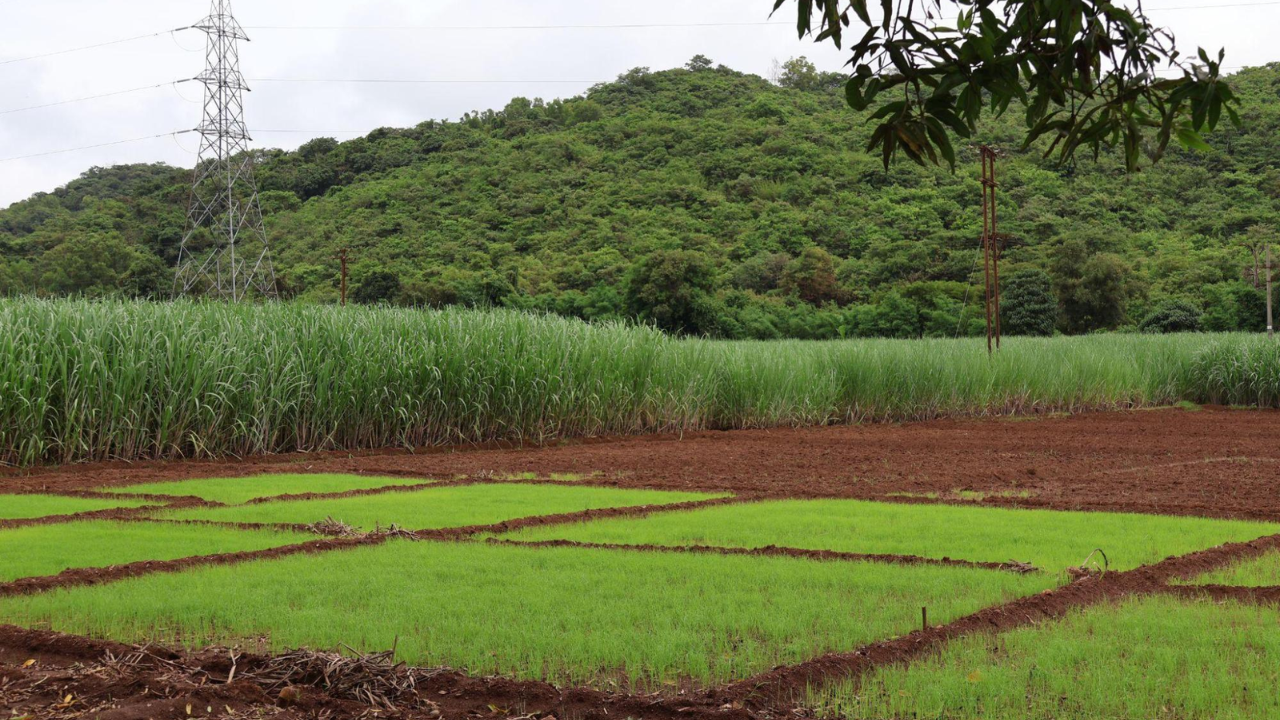
The results became clearer as the Kharif season progressed.
SRI is a method of rice cultivation that changes the way seedlings are raised, planted and managed. Instead of transplanting four or five older seedlings together, farmers plant a single young seedling, around 14 days old. The plants are spaced about 25 centimetres apart in rows, allowing them more room to grow.The method also involves mechanical weeding and managing nutrients without keeping fields continuously flooded.According to the UNDP report, the wider spacing and careful management allow plants to develop more tillers, or stems that can produce grain-bearing panicles. The project’s agriculture associate, Nutan Sawant, observed that SRI plants in the Sindhudurg fields developed an average of 20 to 25 tillers from one transplanted seedling. Conventionally grown plants produced around six to 12 tillers, despite being planted in groups of five or six seedlings.The Indian Council of Agricultural Research (ICAR) has also documented the potential benefits of modified SRI. Its published technology note reports grain-yield increases of 36% to 49%, water savings of 22% to 35% and seed savings of about 90% compared with conventional transplanted rice. These figures come from separate research and should not be confused with the 58% increase recorded in the Sindhudurg field trials.
How the women learnt to work together
The transition was not immediate. The women had followed conventional rice-growing practices for years and were unsure whether planting fewer seedlings farther apart would leave too much room for weeds or affect the crop.In the UNDP report, Akanksha recalls that several members initially questioned whether a single seedling would survive where they had traditionally planted four or five. Project workers Nutan Sawant and Yugandhara Kamble held meetings, explained the method and visited fields to address questions during the Kharif season.The collective also found ways to reduce dependence on hired labour. Instead of each farmer working only on her own plot, members organised group farming and helped one another in their fields. Akanksha coordinated schedules so that work could be completed at the right stage of cultivation. The women also created a WhatsApp group to share updates and observations.They made practical adjustments to suit local conditions. The lateritic and coastal alluvial soil in the area was damaging the blades of the cono weeders used to remove weeds between rows. The group modified the blades so the equipment could work better in their fields. They also developed a measuring scale marked at 25-centimetre intervals to help maintain the required distance between seedlings.As more women became interested, families who had migrated to cities offered their unused fields to the collective. The group took up cultivation on an additional eight hectares beyond the land its members already farmed.
What the field trials found
The results became clearer as the Kharif season progressed. According to the UNDP report, SRI plots were less affected by the rainfall deficit associated with El Niño conditions than conventionally cultivated plots. The wider spacing meant plants faced less competition for available water and nutrients.Crop-cutting experiments recorded an average yield of 55.2 kg per 100 square metres from SRI plots, against 34.9 kg from traditional plots. It means an increase of approximately 58%. The report also noted that SRI-grown rice was ready for harvest by early October, while some conventionally cultivated plots had not yet reached the harvesting stage. In the latter, excessive weed growth and insufficient rainfall affected crop development.