








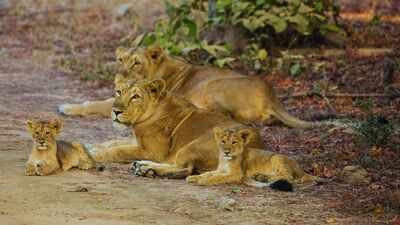
Gujarat’s Gir forests have been synonymous with the Asiatic lion for over a century. Now as per a recent study published in the journal PLOS One, the lions have come back to Barda Wildlife Sanctuary after nearly 144 years of absence. The study titled Beyond Gir: Barda Wildlife Sanctuary as a Potential Stronghold for Asiatic Lions, has brought the destination into the wildlife destinations spotlight. It was a research that was conducted by scientists associated with the Gujarat Forest Department and Banda University of Agriculture and Technology.The scientists examined how the big cats are adapting to Barda Wildlife Sanctuary after returning to the landscape following an absence of nearly 144 years. The findings, alongside the Gujarat government’s 2025 Lion Population Estimation Report, offer fresh hope for the long-term conservation of the endangered species.A new home for Asiatic lions
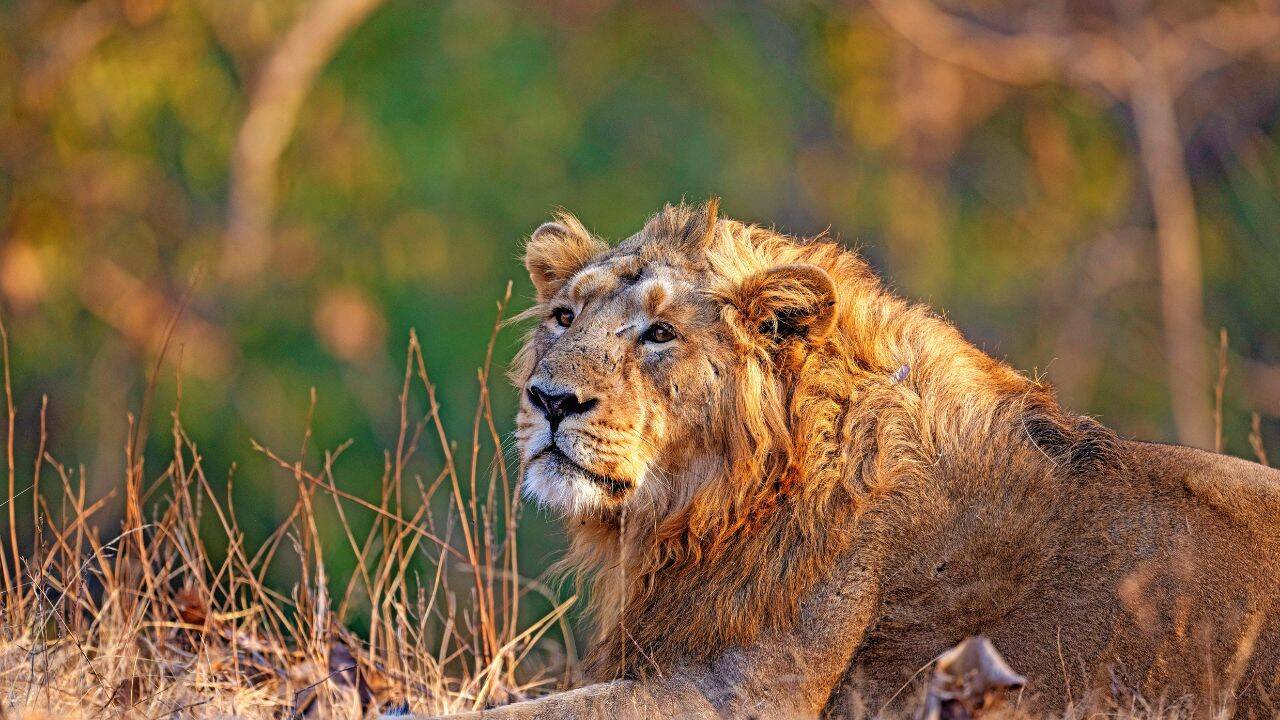
Lion in Gujarat (Canva)
Spread across 192.31 sq km in Gujarat’s Porbandar and Devbhumi Dwarka districts, Barda Wildlife Sanctuary is in the Saurashtra region. It is known for its rugged terrain, forests and grasslands. After the return of Asiatic lions, the sanctuary is emerging as an important addition to the state’s wildlife conservation landscape.The lions’ started to return with the natural arrival of a male in 2023. The Gujarat Forest Department subsequently introduced five females to strengthen the population. By August 2025, the sanctuary was home to 17 lions, including six adults and 11 cubs, according to the Union Ministry of Environment, Forest and Climate Change.The development is particularly significant because the last known record of lions in Barda dates back to 1879.What the new study reveals about the lionsTo understand whether Barda could support a sustainable lion population, researchers studied the animals’ movements, habitat preferences, social organisation and diet. They radio-collared six lions (one male and five females) and analysed them. The study estimated the average home range of the tracked lions at approximately 70.55 sq km.Lions diet
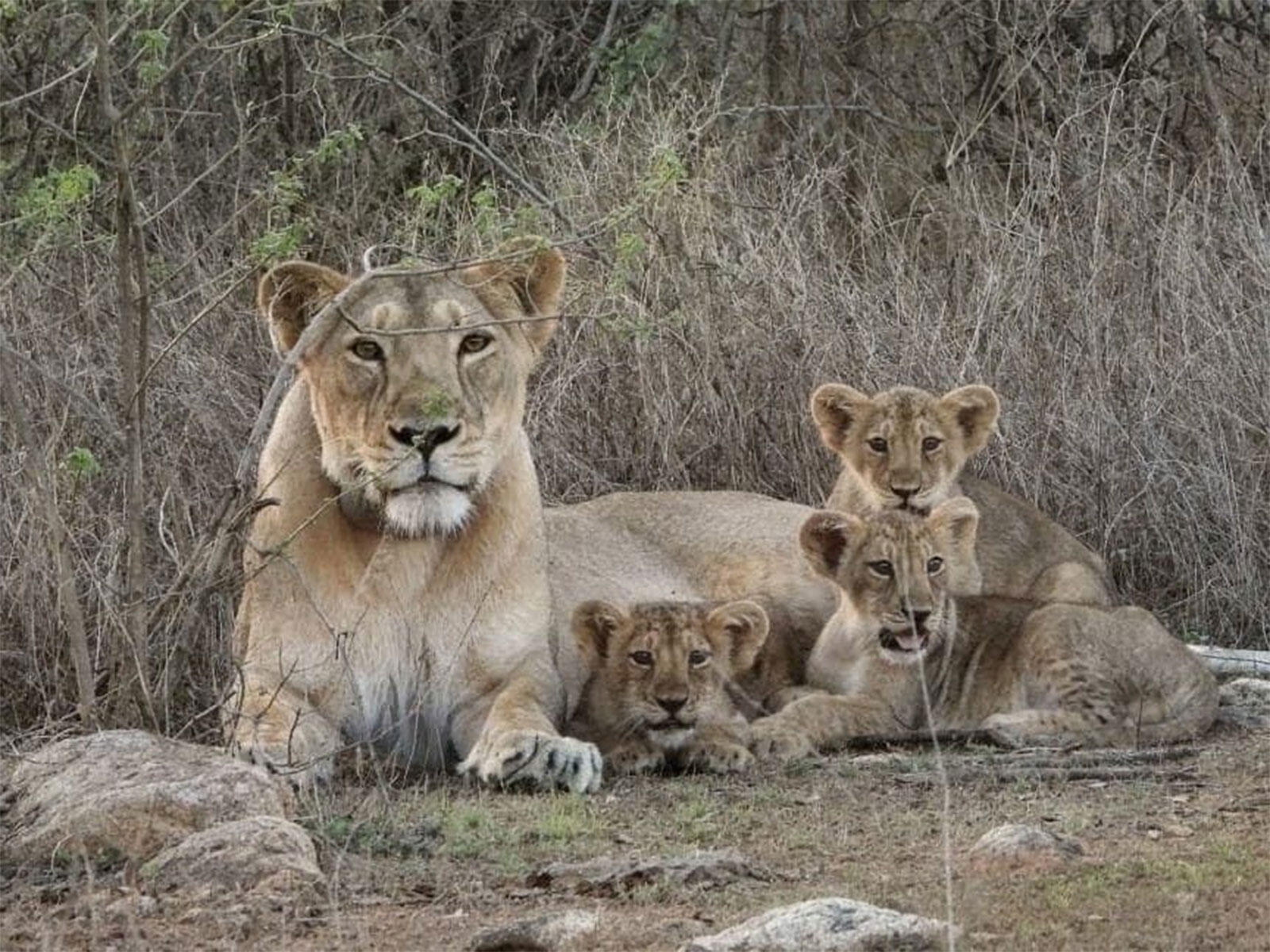
Gujarat: Barda forests emerge as new ‘second home’ for Asiatic lions; study finds habitat suitable for long-term population
The researchers also noticed the lions’ diet included wild pigs and domestic cattle. The findings point to the importance of wild prey in supporting the returning population, while also highlighting the need to manage interactions between lions and livestock.Efforts to strengthen the prey base include the reintroduction of spotted deer and sambar. A healthier population of wild prey can help sustain the lions and potentially reduce their dependence on domestic animals.According to the 2025 Lion Population Estimation Report, Gujarat recorded 891 Asiatic lions, compared with 674 in 2020. This represents an increase of approximately 32% in five years.How to plan a trip to Barda Wildlife Sanctuary
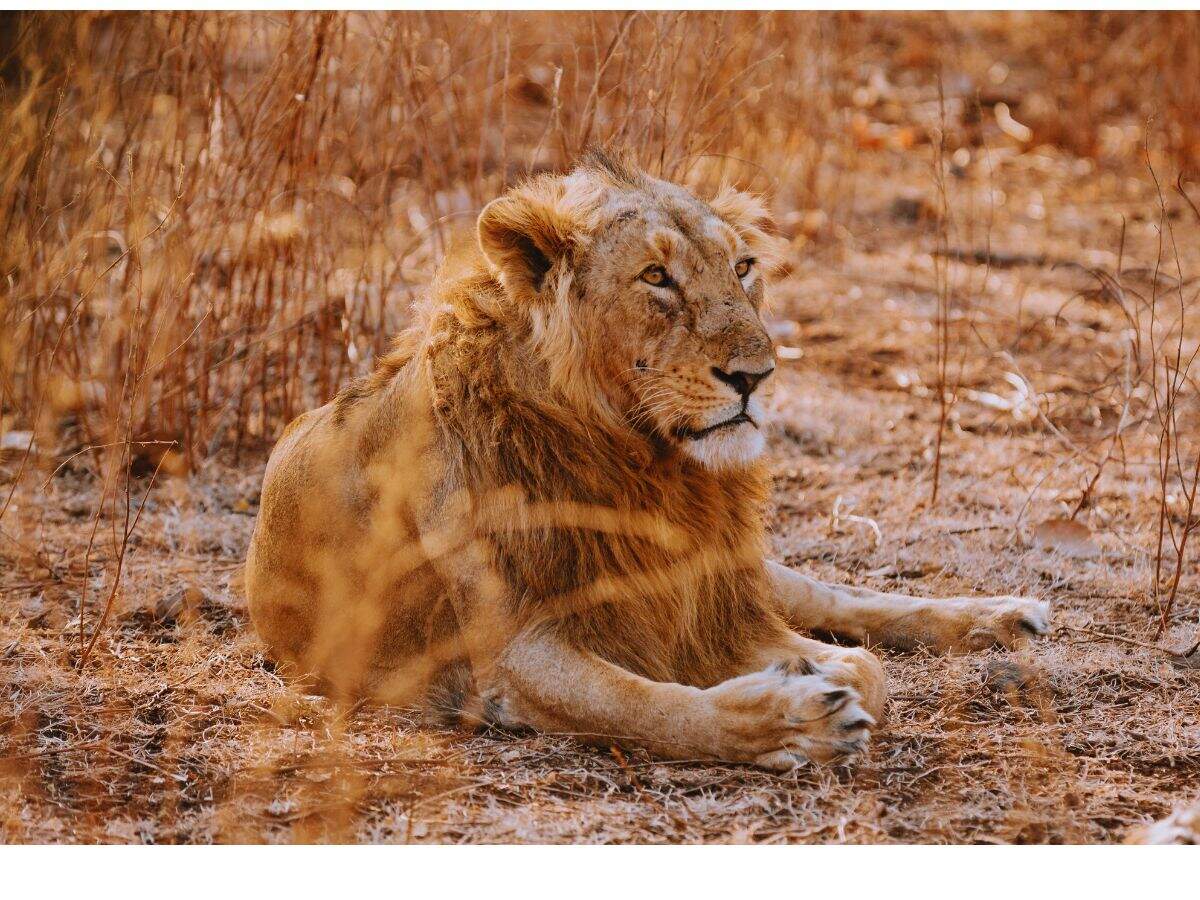
Lion in Gir (Canva)
For travellers exploring Gujarat, Barda offers a reason to look beyond the familiar wildlife trails of Gir. Visitors should check with the Gujarat Forest Department before visiting, particularly regarding access, safari availability and opportunities for wildlife viewing.A safari park covering around 248 hectares was announced as a planned project in 2025; its current operational status should be confirmed before making travel arrangements.The return of Asiatic lions to Barda is good news for wildlife lovers but it is so much more than just good news.