







Julia Child and her husband, Paul, built La Pitchoune in Provence in 1963 as a place to cook, entertain and return to year after year. The small stucco house became their summer retreat for nearly three decades, its kitchen shaped around Julia’s personality and practical approach to cooking. When she gave up the property in 1992, it did not become just another quiet country home. It went on to serve as a cooking school, and today visitors can still prepare meals in the kitchen where Child worked. Colorado’s Coloradan and Eater have both told the story of the house’s later life, describing how its owners have preserved the original kitchen while welcoming cooks to experience the space for themselves. Read on to know more details about it here:
A little house in Provence
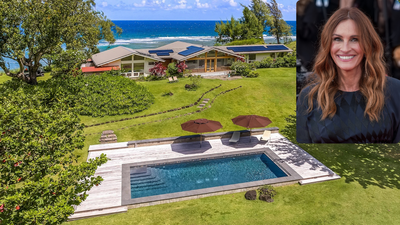
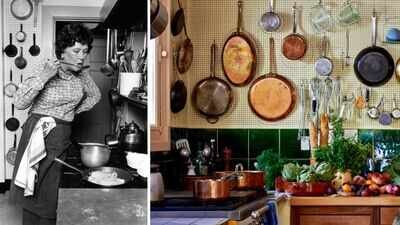
La Pitchoune, which means “the little one,” sits near the village of Plascassier in the hills above Cannes. The Childs built it on land owned by Julia’s close friend and cookbook collaborator Simone Beck and her husband, Jean Fischbacher. It was modest compared with the grand villas often associated with the French Riviera, but its setting and kitchen made it a special place for the couple.For nearly 30 years, Julia and Paul returned to the house, spending time there cooking and entertaining. The home became part of their rhythm of life in Provence, a place where Julia could work with the ingredients and techniques that had helped make French cooking approachable to American readers. The kitchen was designed around the way Julia cooked. Its counters were unusually high, a practical choice for someone who stood more than six feet tall. Paul installed pegboards on the walls so pots and utensils could hang within easy reach. He traced the outline of each tool on the boards, making it simple to see where everything belonged, as per the reports.
The kitchen that stayed
When Julia and Paul gave up the house in 1992, Paul’s health was declining. The property passed back to the Beck family, and its story took a new direction. A former student of Beck’s later owned La Pitchoune and ran a cooking school there, continuing its association with food and learning.The kitchen, however, remained the home’s most meaningful feature. Coloradan reported that its tall counters and pegboards were still in place when the Held family took over the property. The outlines of the original utensils remained visible, preserving a small but vivid record of how Julia organised her workspace. The kitchen matters not only because it belonged to a famous chef, but because it was built for use. The cookware, knives, baking dishes and work surfaces invite guests to prepare food rather than simply look around. Visitors can experience the room as a working kitchen, where practical details reveal how Julia approached cooking.
A family takes on the legacy
Craig Held and his family acquired La Pitchoune in 2016, after his daughter Makenna became concerned that someone might renovate the house beyond recognition. She had read about the property and felt strongly that its kitchen should be preserved. Makenna had trained at Le Cordon Bleu and wanted to protect the space while sharing it with other people who loved food. The Held family began operating La Pitchoune as both a vacation rental and a cooking school. Their aim was to preserve the house without turning it into a museum visitors could only observe from a distance, as per the reports.The family welcomes guests with food and wine and provides access to the kitchen, including the pots, pans, knives and baking dishes needed to cook. Coloradan reported that the property could be rented for stays of up to six adults, while the Courageous Cooking School offered live-in classes and excursions led by Makenna.That combination gives visitors a chance to experience the home at a slower pace. They can shop for ingredients, cook together and spend time in the same kitchen where Julia’s culinary life in Provence unfolded.
Cooking where Julia cooked
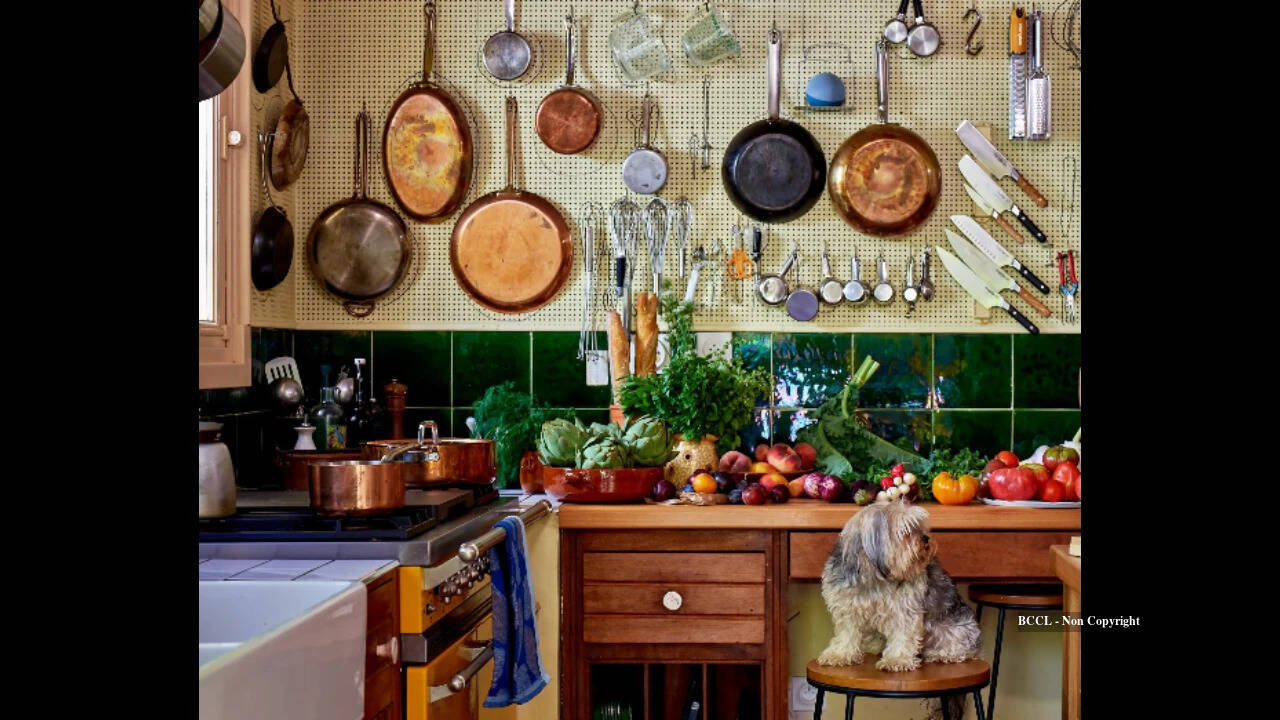
Photo credit: www.lapeetch.okay-perfect.com
The appeal of La Pitchoune rests partly in its authenticity. There are replicas of Julia Child’s kitchen in museums, but the house in Provence preserves the original room in its original setting. Its tall counters, familiar pegboards and surrounding landscape create a sense of continuity that a display case cannot reproduce.Food writer Julia Moskin described staying and cooking there in a 2016 New York Times feature, writing that the kitchen felt largely unchanged. The experience of using the space is central to the house’s identity. Guests are not merely touring Julia’s former home; they are preparing meals in it.The cooking school builds on that idea with practical instruction. Participants can learn techniques, work with local ingredients and take part in excursions around the region. Rather than treating Julia’s legacy as something fixed in the past, the school keeps it active through the everyday work of cooking.
A legacy made to be used
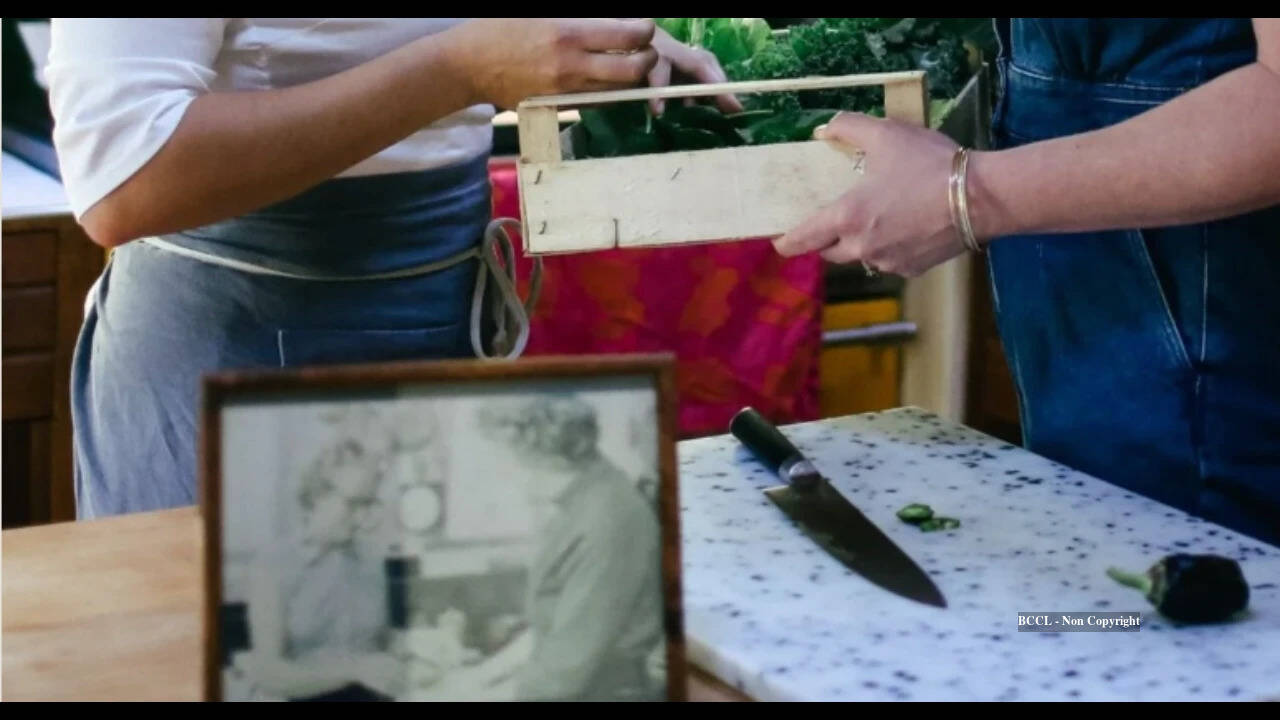
Photo credit: www.lapeetch.okay-perfect.com
La Pitchoune has outlasted its original purpose as a private summer retreat. It became a cooking school after Julia gave it up, then evolved into a place where visitors can rent the house and learn in its kitchen. Each new chapter has kept the property connected to food.That continuity feels fitting for a chef whose influence came from making cooking accessible. Julia Child’s work encouraged people to try unfamiliar recipes, learn through practice and enjoy the process of preparing a meal. At La Pitchoune, guests can follow that spirit in the very room where she once cooked.The house has not been frozen in time, but its most important details remain. The pegboards still show where utensils belonged, and the high counters still reflect the needs of their original owner. More than three decades after Julia left, the kitchen continues to welcome people to cook, eat and learn.