








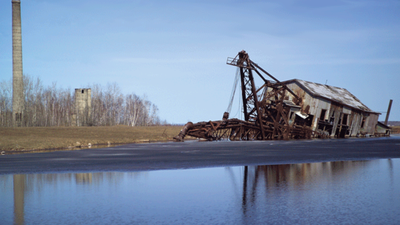
Beneath the surface of Torch Lake in Michigan’s Upper Peninsula lies the legacy of more than a century of copper mining, roughly 200 million tons of waste material. Now crews are removing contaminated sediment from the lake’s shoreline. The United States Environmental Protection Agency announced on June 15, 2026 that it had started a $12 million cleanup at the Lake Linden Recreation Area, targeting sediment tainted with lead, zinc, and polychlorinated biphenyls. The campground and marina remain open, though the beach is closed this year, and officials say the work could prompt a fresh look at fish and wildlife consumption advisories.
How copper mining left 200 million tons of stamp sands in the Torch Lake lakebed
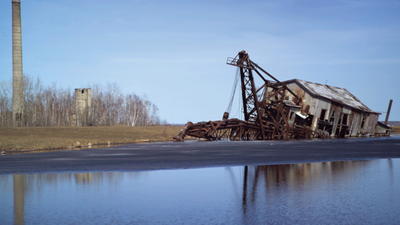
According to the Environmental Protection Agency’s news release, copper mining in the region began in the 1840s and continued until 1968. Those operations left behind 200 million tons of waste material, known as stamp sands, within the lakebed of Torch Lake. The announcement, issued from the agency’s Chicago-based regional office, describes the new cleanup as part of a continuing effort to address contamination across the lake and its surroundings.
Inside the $12 million Lake Linden cleanup
The project is centered on the Lake Linden Recreation Area in Lake Linden, Michigan. The Environmental Protection Agency says crews will remove about 13,300 cubic yards of sediment contaminated with lead, zinc, and polychlorinated biphenyls, a group of industrial chemicals. Once the contaminated material is out, workers will restore the dredged areas with clean backfill material and sand.The agency’s announcement says the Lake Linden campground and marina will stay open while the work continues. The beach area will be off limits for all of 2026, and boaters are advised to keep clear of equipment operating in the water.
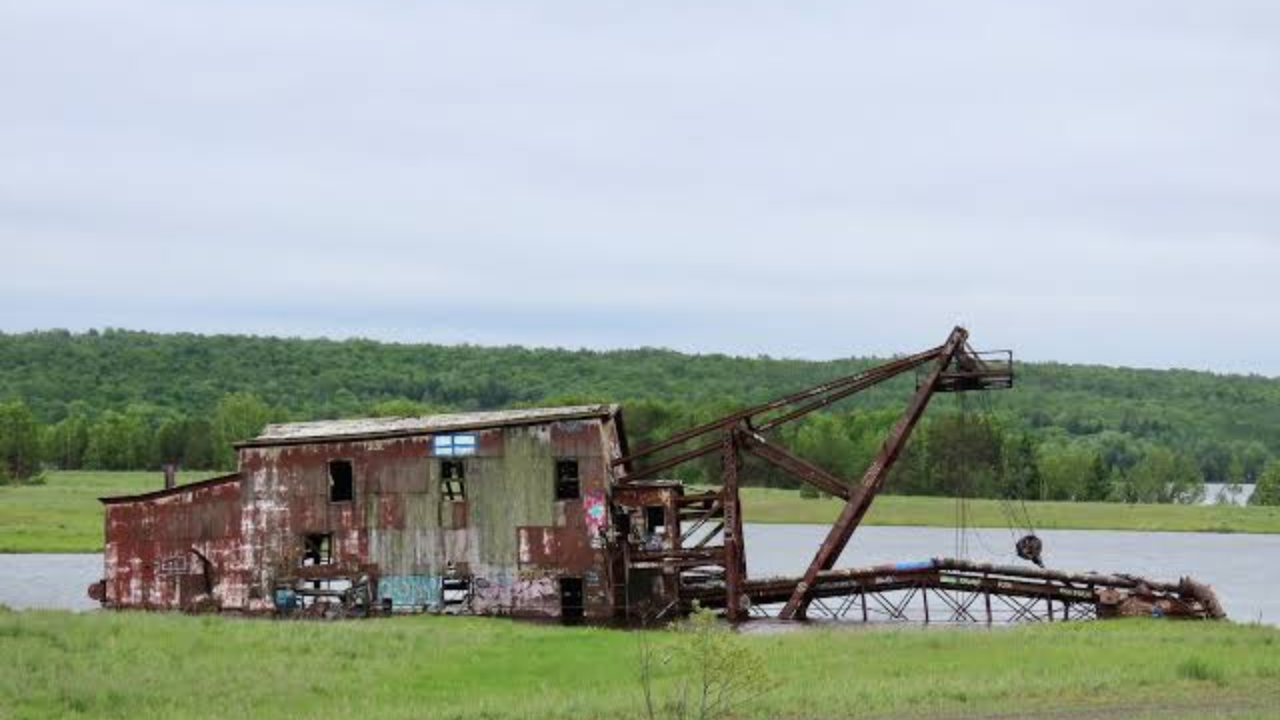
The beach area will be off limits for all of 2026, and boaters are advised to keep clear of equipment operating in the water (Image: MLive)
Who is paying for the Torch Lake cleanup
According to the agency, the project is funded by the Great Lakes Restoration Initiative and by Honeywell International, the non-federal project partner under a Great Lakes Legacy Act cost-sharing agreement.The Environmental Protection Agency places the Lake Linden work within its broader effort to address contamination in the Torch Lake Area of Concern. The agency describes it as one of 23 areas in the United States with significant environmental degradation identified under the 1987 Great Lakes Water Quality Agreement.
What comes next for Torch Lake fish and wildlife advisories
The Environmental Protection Agency and Honeywell International will also assess cleanup options for a future project in the Hubbell Processing Area of Torch Lake, the release says.It adds that restrictions in the area, including fish and wildlife consumption advisories, will be reevaluated once cleanup work is completed and monitoring shows sufficient environmental improvement at this and other remaining projects within the Area of Concern. For a lake shaped by more than a century of mining, that reassessment would mark the first formal step toward lifting the limits that residents and visitors have lived with.