










Gobhi paratha can be difficult to make when the stuffing breaks through the dough or spills onto the tawa. The problem often starts with the filling rather than the cooking itself. Excess moisture, coarse cauliflower, early seasoning, and too much stuffing can make the dough harder to handle. The dough also needs enough softness and resting time to stretch around the filling. Even after the paratha is shaped, poorly closed edges or excessive heat can make the stuffing push through the dough during cooking. A few small changes can make the process much easier. Here are the common mistakes to avoid when preparing gobhi paratha, along with simple ways to keep the stuffing in place and the paratha intact from rolling to cooking every time.
Common mistakes to avoid for soft, well-stuffed gobhi parathas
Using roughly grated cauliflower
Roughly grated cauliflower leaves larger pieces in the filling, which makes the dough harder to roll evenly. Those pieces can create pressure points and tear the surface, which can allow stuffing to escape. Grate the cauliflower finely so the filling spreads evenly in the dough.
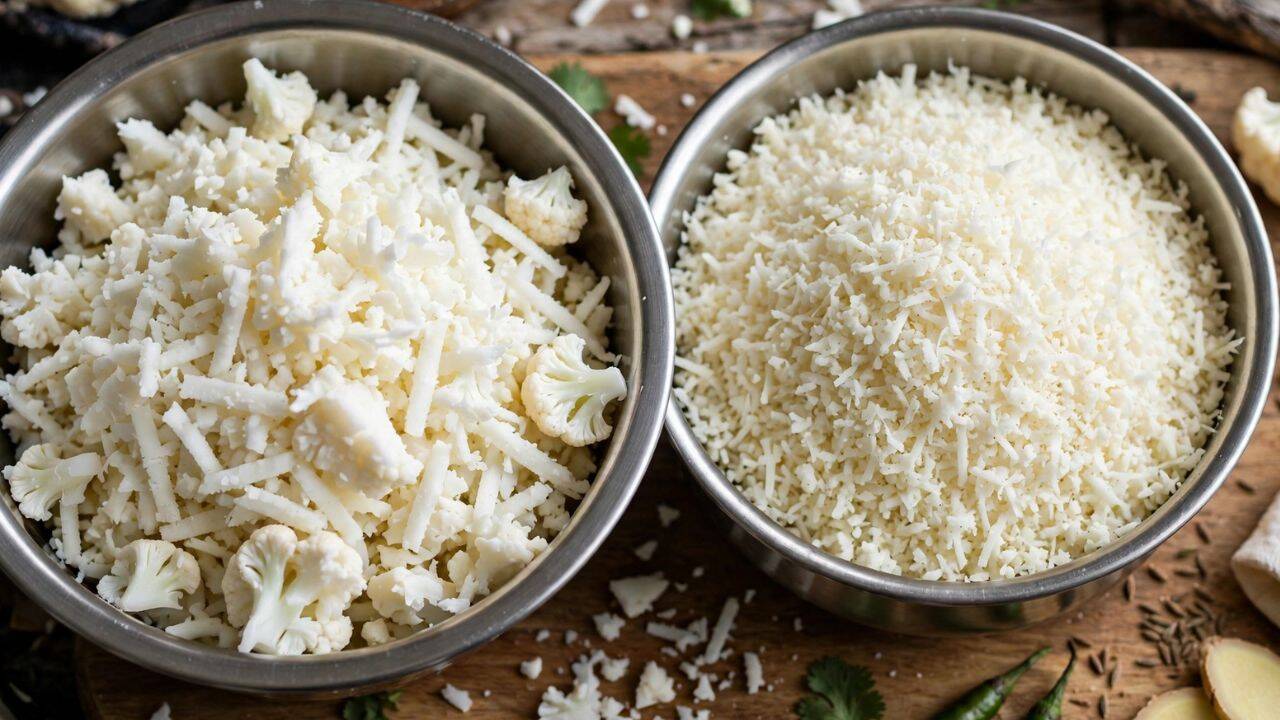
PC: AI Generated
Making the filling too moist
Leaving excess water in grated cauliflower can make the stuffing wet and difficult to handle. The moisture can weaken the dough around the filling and encourage leaks. Squeeze the grated cauliflower well before stuffing. If using cooked filling, keep cooking until excess moisture evaporates and the mixture becomes dry and fluffy.
Adding salt too early
Adding salt too early can make grated cauliflower release more water while the filling rests. That leaves the mixture wetter by the time you are ready to stuff the dough. Add salt just before stuffing instead. This helps control the moisture and keeps the filling firmer, making the paratha easier to shape and roll.
Adding warm filling to the dough
Using warm stuffing can make the dough soft and sticky around the edges. As the paratha cooks, the moisture from the warm filling can turn into steam and put pressure on the dough. Let the filling cool completely before stuffing. Cool filling is easier to handle and helps the dough stay firm while you roll the paratha.
Using an excessive amount of stuffing
Adding too much stuffing can make the dough stretch too thin around the centre. The extra pressure can also make the edges difficult to close properly. Use a moderate amount of filling and leave enough dough around it to bring the edges together. A balanced filling-to-dough ratio makes gentle rolling easier and reduces tearing.
Using dough that is too dry
Working with tight dough can make the edges crack or the seam open during rolling. The dough needs enough softness to stretch around the filling without becoming too thin. Add a little more water if the dough feels too dry, then let it rest before rolling. Resting makes the dough softer and more flexible, so it can stretch around the filling without cracking or resisting the pressure.
Skipping the resting period
Skipping the resting time can make the dough stiff and harder to roll. Let it rest for about 15 to 30 minutes before stuffing and rolling. This gives the dough time to soften and become more flexible, making it easier to stretch around the filling without creating thin or weak spots.
Using excess flour for rolling
Using too much dry flour while rolling can make the dough slide around and make it harder to bring the edges together. Excess flour can also gather around the edges and prevent them from sticking together. Use only enough flour to stop the dough from sticking, then gently brush off any extra before rolling.
Leaving gaps around the edges
A weak or incomplete closure can allow the filling to spill out while you roll or cook the paratha. After adding the stuffing, press the edges together firmly and check for any gaps before rolling. Avoid large air pockets or uneven folds. A paratha with well-joined edges is easier to roll and less likely to spill filling.
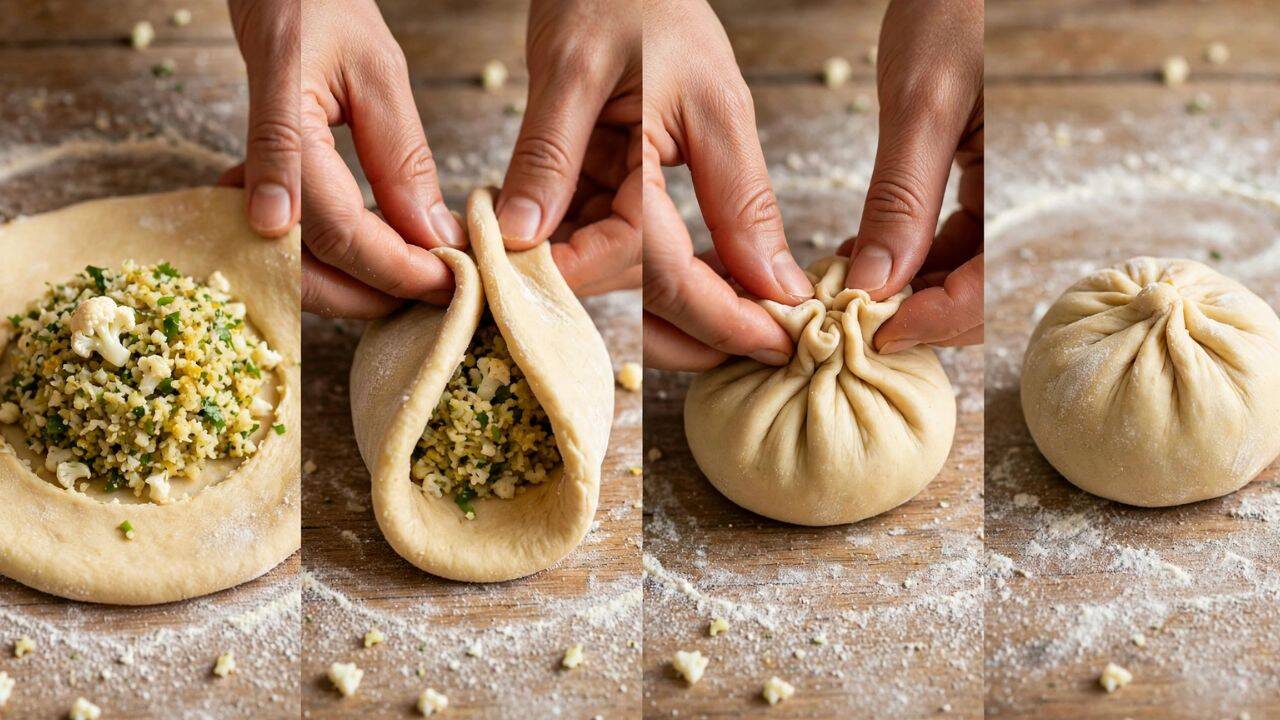
PC: AI Generated
Cooking the paratha on high heat
Starting with very high heat can make the paratha rise too quickly before the dough has cooked properly. Steam from the filling can then put pressure on the dough and cause it to crack or leak. Heat the tawa well, then cook the paratha over medium heat. Flip it once the first side starts to set.