









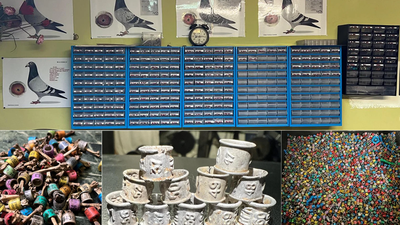
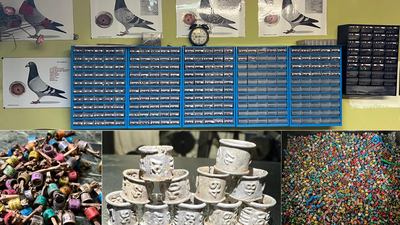
A man searching for homing pigeon rings with a metal detector in Romania accidentally uncovered a prehistoric hoard containing copper axes and gold ornaments. Found at the base of a tree in Cocoșești commune, Prahova County, on 20 July 2020, the hoard was buried about 0.30 metres below the surface. It contained two copper shaft-hole axes, three chained gold hair-rings and a string of 54 gold beads. Archaeologists later recovered nine additional gold beads from the surrounding soil during an investigation of the site. Researchers examining the objects concluded that the hoarding most likely took place in the late third millennium BC.
How did a pigeon-ring search uncover a 4,000-year-old hoard
According to the study published in Springer Nature Link, titled ‘From chance to understanding: Scientific investigations of a prehistoric hoard from Southern Romania (Cocoșești, Prahova)’, the material analysed from the Cocoșești hoard consisted of two copper shaft-hole axes, three chained gold hair-rings and a string containing 54 gold beads. The researchers initially examined the objects macroscopically before carrying out further archaeological and scientific investigations. The combination brought together copper weapons or tools and gold ornaments within the same deposit.The archaeological investigation also helped reconstruct the arrangement of the objects. The axes had been placed next to one another on their wide, level sides, oriented north-south, while the gold hair-rings and bead string had been positioned above them. Because the gold ornaments had been incompletely recovered by the finder, their exact original positioning could not be fully observed. Researchers excavated and examined the area around the original hole and found no evidence of human interference dating to the period when the hoard was deposited.
Researchers recovered nine gold beads from the discovery area
The researchers returned to the discovery area with metal-detecting equipment as part of their archaeological investigation. Three gold beads were recovered from soil that had already been removed by the discoverer. More than 50 kilograms of additional soil from the area were then removed and sieved while being examined with a hand-held detector. This process produced six more gold beads.The additional recovery helped researchers confirm the reported find location and contributed to reconstructing the hoard’s original arrangement. The objects were also subjected to non-invasive scientific analysis. X-ray fluorescence analysis was used to examine their elemental composition, while the wider investigation considered the archaeological context, raw materials, manufacturing technology and traces of wear on the objects.
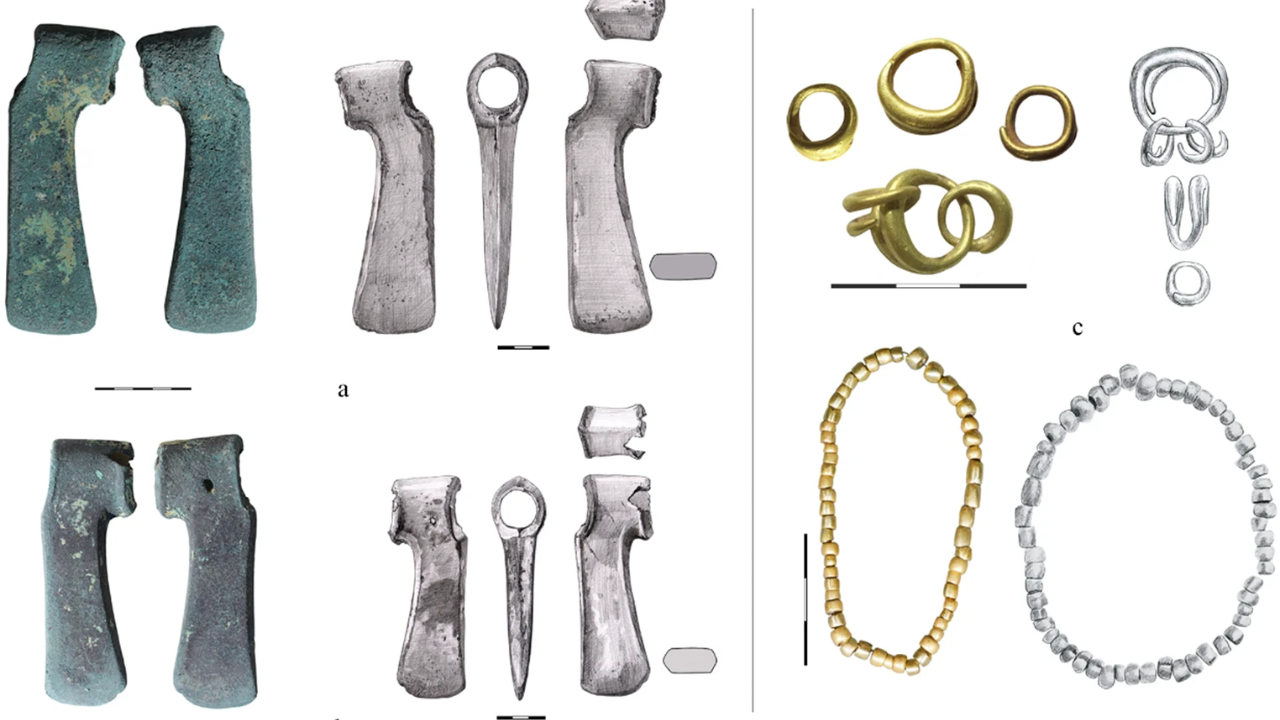
PC: Study: From chance to understanding: Scientific investigations of a prehistoric hoard from Southern Romania (Cocoșești, Prahova)
The copper axes may be the hoard’s earliest objects
The two copper axes appear to be the earliest objects in the hoard. Their form and characteristics have parallels among axes associated with the middle of the third millennium BC. The researchers also note that the axes were made of copper with a low arsenic content, a feature associated with shaft-hole axes from earlier periods of the Bronze Age.The gold hair-rings and beads are considered later additions based on their parallels and metal composition. The researchers conclude that the hoarding act most likely occurred in the late third millennium BC. The combination of shaft-hole axes with ornaments, and copper with gold, is rare in the Carpathian-Danube region during the third millennium BC.