









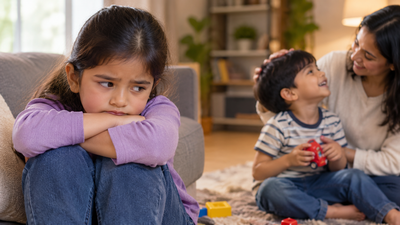
“Why does she always get to sit next to Mum?” “I got the smaller piece.” “Everyone likes him more.” “Why can’t I have what my brother has?” Sibling jealousy can sound petty when adults hear it. But for a child, these complaints can be about something much bigger than a toy, a seat or a piece of cake. They can be about attention, fairness and the fear of losing their special place in the family.Children notice differences. They notice who gets praised, who gets more freedom, who receives help, who gets a new toy and who is allowed to stay up later. Research on sibling relationships suggests that what matters is not simply whether parents treat children differently, but how children understand those differences and whether they see them as fair. That is where ordinary sibling jealousy can become more complicated.
28 Jul 2026 | 16:26
Which parenting tip from elders actually worked for you?
A child can love a sibling and still feel jealous
Parents sometimes become worried when an older child says, “I don’t like the baby.” But children’s feelings towards siblings are rarely that simple. A child may feel irritated when their mother spends the evening feeding a baby and then happily bring a toy for the baby a few minutes later. They may complain about sharing a room but still look for their sibling when they want someone to play with.Research has found that sibling jealousy can involve different emotional and behavioural responses. A study found that children’s jealousy responses were related to factors including temperament, emotional understanding and family relationship characteristics. The arrival of a new sibling can be particularly significant for an older child because the family routine changes. A parent who previously had time to read one story, play one game or sit beside one child may suddenly have to divide that attention.
Children pay attention to who gets what
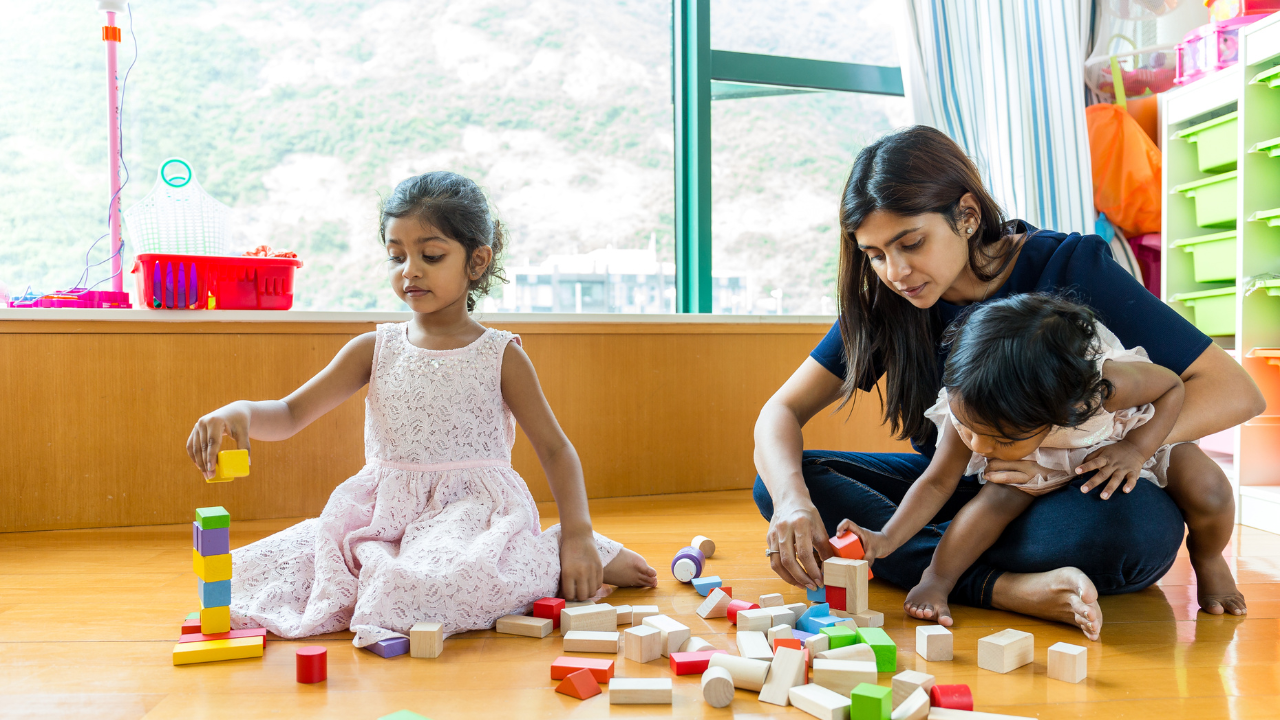
One of the easiest changes parents can make is to remove the comparison from praise.
Sibling jealousy is often triggered by everyday situations that adults barely notice. One child gets a new school bag because the old one is damaged. The other child immediately asks for one too. A younger sibling gets help with homework. The older one complains, “You never help me.” A teenager gets permission to stay out late. A younger sibling sees only the privilege, not the difference in age.Parents may have perfectly reasonable explanations for these decisions. But children do not always have access to that reasoning. A 2023 meta-analysis found that parents did tend to treat siblings differently in some areas, with age differences and other sibling characteristics playing a role. The researchers also noted that parents may treat siblings differently partly because the children themselves have different needs and characteristics.That means treating children differently is not automatically harmful. A two-year-old and a 12-year-old cannot have the same bedtime. The problem can arise when a child interprets the difference as evidence that the sibling is more loved, more valued or more important.
The words parents use can turn differences into competition
There is a major difference between saying: “Your sister can stay up later because she is older.” and: “Your sister is responsible enough to stay up. You aren’t.” The first explains a rule. The second compares the children. The same happens with academics. “Your brother studied for two hours today.” “Look how neatly your sister keeps her room.”A study published in Journal of Family Psychology examined parental differential treatment, sibling jealousy and adolescent adjustment. Among 197 families with adolescent sibling pairs, researchers found indirect links between perceived differences in parental treatment, sibling jealousy and outcomes including depressive symptoms, self-worth and risky behaviour. The researchers also found that children’s perceptions of fairness mattered.
The child who gets more attention can also feel pressure
Sibling comparison does not affect only the child who thinks they are getting less. Imagine a family where one child is always described as “the mature one”. When the younger sibling creates a mess, the older child is told, “You should know better.” When the younger one gets upset, the older child is asked to adjust. Over time, that child may begin to resent the role. The same can happen to the child who is repeatedly praised for being academically successful.
What parents can do when a child says, “You love her more”
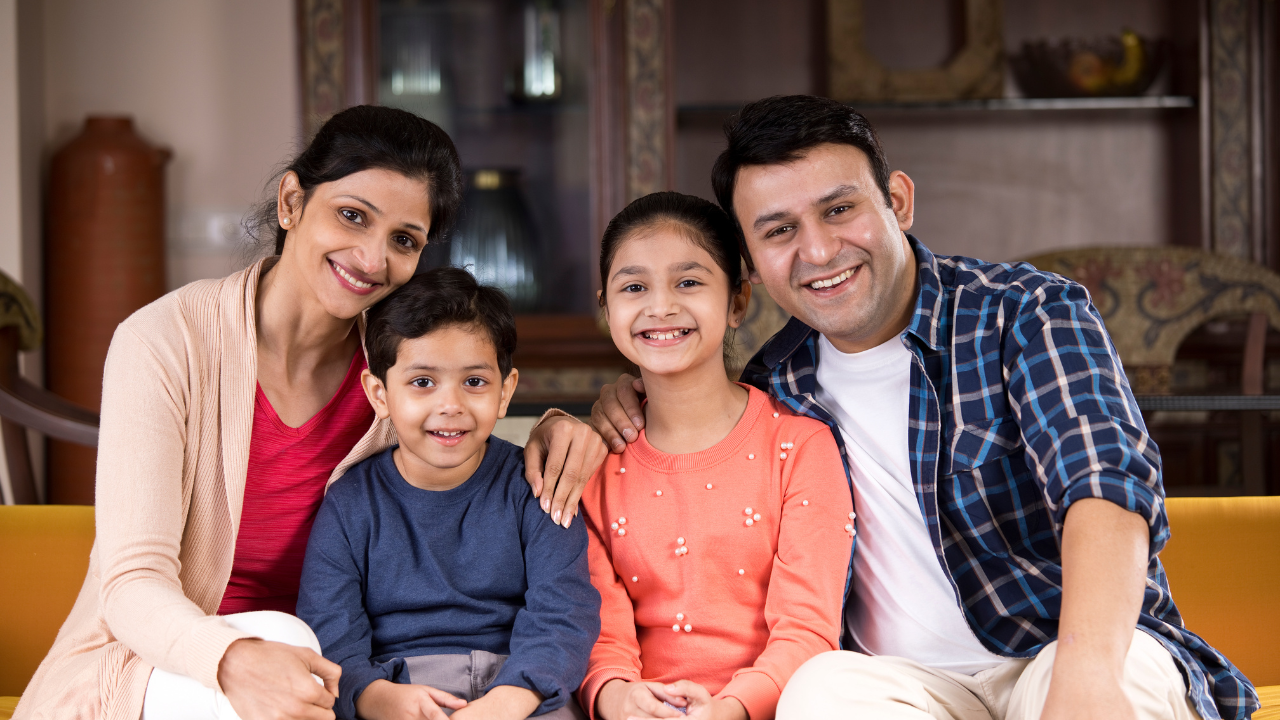
The instinctive response by most parents is often: “Don’t say that. Of course I love you both equally.” The reassurance is important, but it may not answer what the child is actually trying to say. Instead, ask: “What made you feel that way?” Maybe the child noticed that Dad has been taking the younger sibling to football practice every evening. Maybe the older sibling has been expected to share everything because they are “the big one”. Listening first can reveal the specific source of the jealousy.Research examining parents’ and children’s perceptions of differential treatment has found that their views do not always match. In a three-year study of 381 families, differences between parents’ and adolescents’ perceptions of parental treatment were linked with aspects of parent-child relationship quality.
Stop using one sibling as a lesson for another
One of the easiest changes parents can make is to remove the comparison from praise. Instead of: “See how neatly your sister does her homework?” Try: “You finished your homework without being reminded today.” Instead of: “Your brother shares his toys. Why can’t you?” Try: “Your brother is using that toy right now. You can have it when he finishes.” Instead of: “Your sister is so confident. You should learn from her.” Try: “You spoke to your teacher even though you were nervous. That took effort.”Sibling jealousy can be uncomfortable for parents because it often sounds unkind. But a child saying, “I wish you would spend more time with me,” may be expressing a need in the only language they have at that moment. Research does not suggest that parents can or should eliminate every difference between siblings. Children have different ages, personalities and needs, and parents will inevitably respond to those differences. What parents can avoid is turning those differences into a competition.