






Six years after a catastrophic dam failure completely drained Sanford Lake in mid-Michigan, the lake has officially returned to full water levels. The milestone allowed a beloved local beach festival to celebrate a long-awaited homecoming on its original shoreline. The popular community tradition, first launched in 2005, returned to the restored park for its delayed 20th anniversary celebration. For local residents, business owners, and regional leaders, the event means much more than a weekend of live music and fun. It is a strong symbol of recovery, renewal, and long-term environmental resilience after one of the worst infrastructure disasters in Michigan’s recent history.
Devastating Failure Drained Lake in Hours
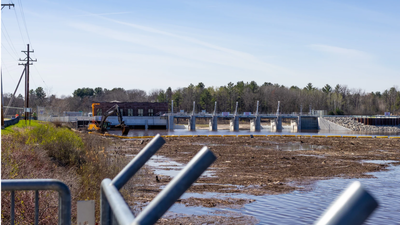
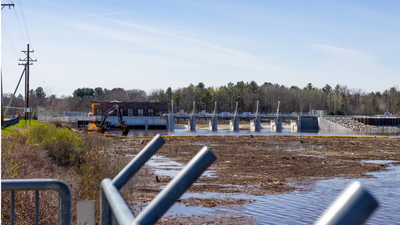
The story began during an extreme weather event in May 2020. Heavy rainfall across mid-Michigan overwhelmed regional water systems, causing the Edenville Dam upstream to fail. The sudden collapse released a huge amount of water downstream, leading to the failure of the Sanford Dam soon after. Within hours, billions of gallons of water moved through the Tittabawassee River system. The disaster forced more than 10,000 people across Midland, Gladwin, and Saginaw counties to leave their homes as floodwaters covered neighborhoods, roads, and business areas. When the water finally went down, the area looked completely different. Sanford Lake, a scenic 1,400-acre reservoir that had supported recreation and the local economy since the late 1920s, had almost disappeared. What remained was a wide, muddy valley with only a narrow river channel running through it. Over the next several seasons, the old lakebed became covered with weeds, brush, and young trees. For nearby property owners, it became a daily reminder of the disaster that had changed their lives.
Infrastructure Crisis and the Path to Recovery
The dam failures exposed major problems with aging infrastructure and created years of legal, environmental, and financial challenges. Responsibility for restoring the lake system went to the Four Lakes Task Force, a delegated authority working for Midland and Gladwin counties to acquire, rebuild, and manage the dams and reservoirs. Restoring Sanford Lake was a massive engineering project that required hundreds of millions of dollars. Funding came from state support, federal grants, and special assessment districts. Engineers had to build modern spillways, strengthen earthen embankments, and install advanced automated floodgate systems designed to better handle extreme weather. During the long construction period, nearby property owners faced falling property values, the loss of direct lake access, and continued financial uncertainty. Local parks, including Sanford Lake Park, were also left without their main attraction and became effectively landlocked.
Major Reconstruction Milestones Reached in 2026
After years of engineering, environmental reviews, and preparation, the restoration reached a major point in early 2026. The main control structures at the Sanford Dam site were completed, allowing regulators and engineers to approve a controlled process for refilling the reservoir. By May 2026, engineers had successfully completed the controlled refilling of the reservoir, bringing Sanford Lake back to its legal normal level for the first time in six years. The return of the water changed the landscape dramatically, covering the vegetation that had grown across the former lakebed and restoring the familiar shoreline. At the same time, local parks departments worked on major improvements along the waterfront. At Sanford Lake Park, crews restored beach areas, rebuilt boat launches, repaired damaged pavilions, and added updated shoreline protection designed to handle future changes in water levels.
Historic Homecoming for Parkapalooza
With the waterfront working again, the stage was ready for the return of Parkapalooza, a longtime community event that began on the sands of Sanford Lake Park in 2005. The festival started as a small showcase for regional musicians but grew over the next two decades into a major regional event, bringing thousands of visitors for beach volleyball, sand sculpture contests, food vendors, and full days of live music. When the lake disappeared in 2020, organizers had to stop the event or move it to other locations without lake access. Bringing the 2026 festival back to its original park created an emotional full-circle moment for organizers and longtime visitors. Music fans and families filled the newly restored beach, enjoying live performances while looking out across open water for the first time in more than six years. The event showed not only that the park had been physically restored, but also that the community had kept its traditions alive through years of disruption.
Economic Revival and Looking to the Future
The return of Sanford Lake and its major public events marks the start of an important period of economic recovery for mid-Michigan. Local businesses, marinas, hotels, restaurants, and other tourism-related businesses that suffered major losses during the six years without the lake are now preparing for increased summer visitors and recreational boating. Regional leaders say the completion of the Sanford Dam restoration is only one step in a larger recovery plan. The lessons from the 2020 disaster have changed how water levels and infrastructure are monitored, with stronger safety measures now in place to better protect communities in the future. As music played across the restored waterfront during the festival weekend, the scene became a powerful reminder of six years of hard work, engineering, and community patience. The return of Sanford Lake has restored more than water. It has brought back a landscape, supported the local economy, and revived a cherished part of community life.-