








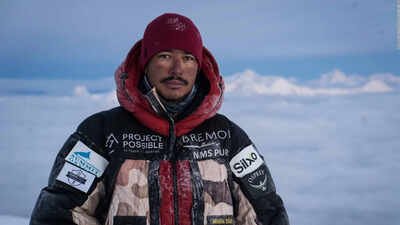
For Nirmal “Nims” Purja, giving up was never supposed to be an option. A former Gurkha and British Special Forces soldier, Purja became one of the most recognisable mountaineers in the world after attempting what many considered absurd: climbing all 14 of the world’s mountains above 8,000 metres in just seven months. He called it Project Possible. He finished it in six months and six days, 189 days. Scroll down to read more…
From rural Nepal to the British military
Purja was born in 1983 in Myagdi, Nepal, and grew up with the ambition of becoming a Gurkha. In 2003, he joined the Brigade of Gurkhas in the British Army. Six years later, he became the first Gurkha to join the Royal Navy’s elite Special Boat Service.The military shaped the qualities that later defined his mountaineering career: discipline, endurance, rapid decision-making and, crucially, a refusal to abandon people in danger. Mountaineering initially came almost as a side passion. But after experiencing Everest and other Himalayan peaks, Purja realised that he wanted to push much further.In 2019, he made the extraordinary decision to leave the military and pursue mountaineering full-time.His target was the 14 eight-thousanders – Everest, K2, Kangchenjunga, Lhotse, Makalu, Cho Oyu, Dhaulagiri, Manaslu, Nanga Parbat, Annapurna I, Gasherbrum I, Broad Peak, Gasherbrum II and Shishapangma.
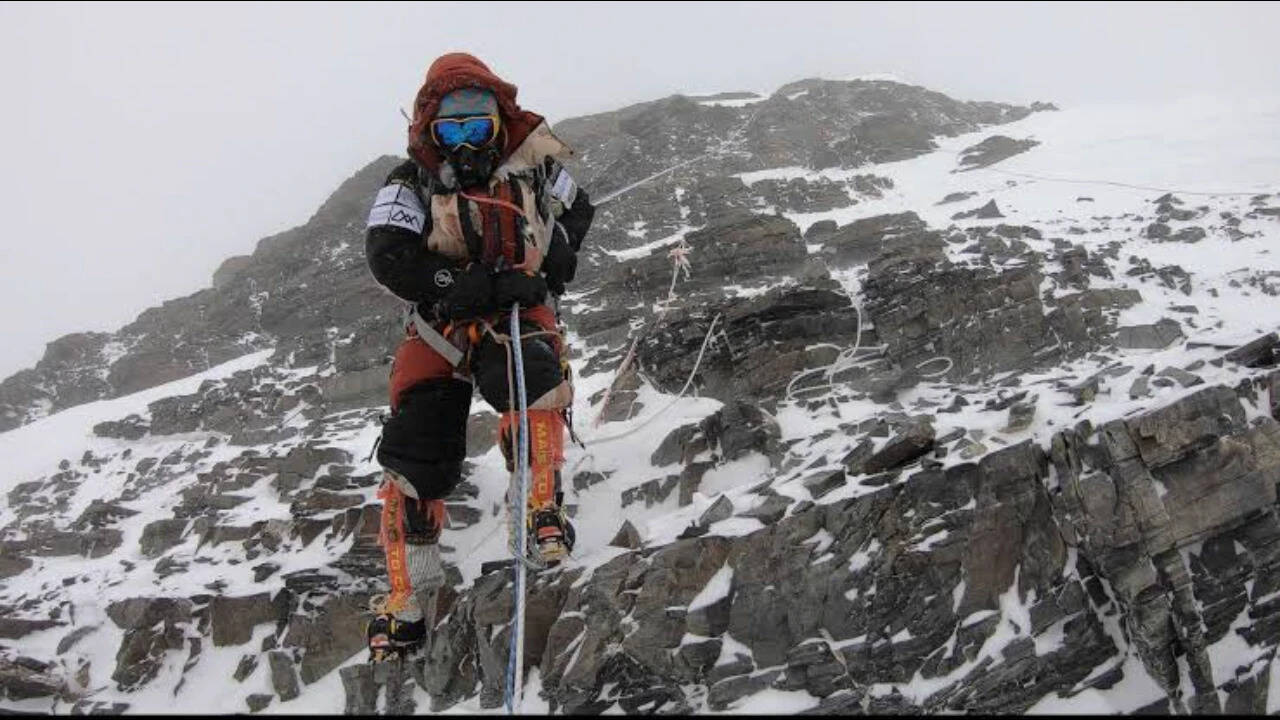
At more than 8,000 metres, climbers enter the “death zone”, where the body cannot acclimatise indefinitely and the lack of oxygen makes every mistake potentially fatal. The existing record for climbing all 14 was measured in years. Purja said he would do it in seven months. People told him it was impossible.
So he named the project Possible
14 peaks in 189 days
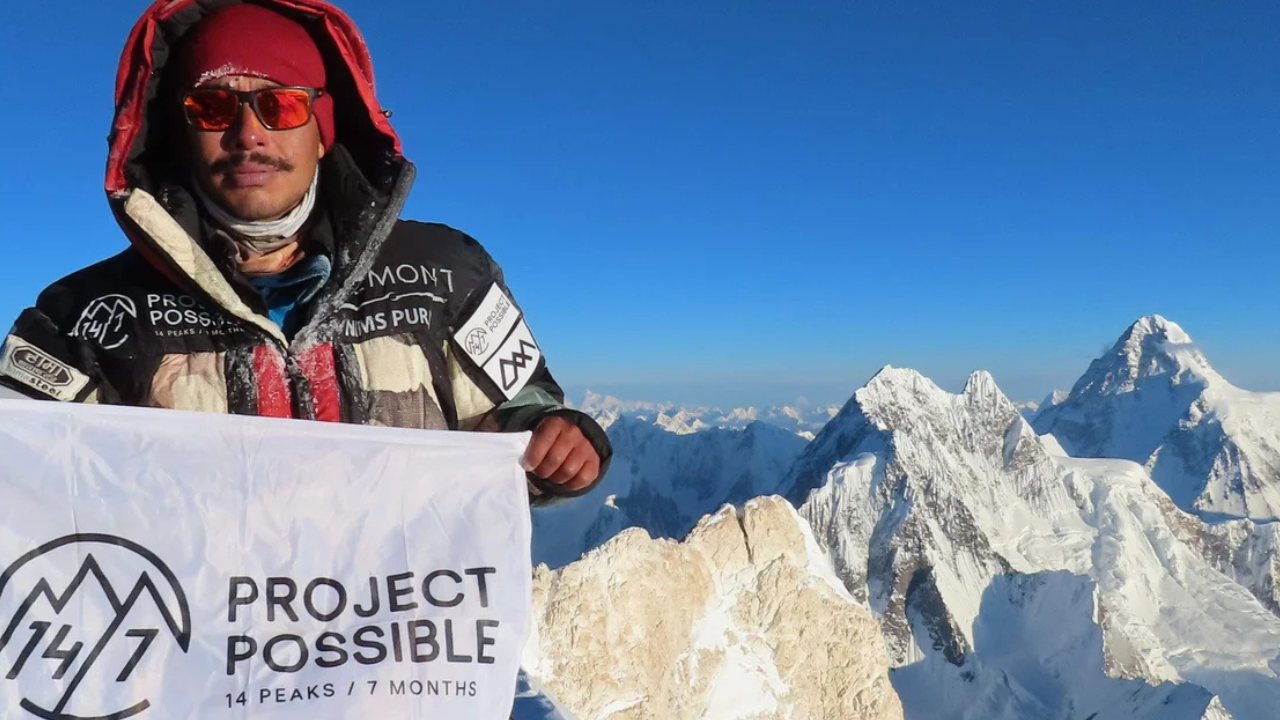
The challenge began on 23 April 2019, when Purja reached the summit of Annapurna I.Then came Dhaulagiri.Everest.Lhotse.Makalu.Kangchenjunga.And the list kept shrinking.The schedule was punishing. There was little time to recover between expeditions, and Purja relied on bottled oxygen during the ascents. His team also became central to the achievement, helping with logistics, route-finding and rescues.
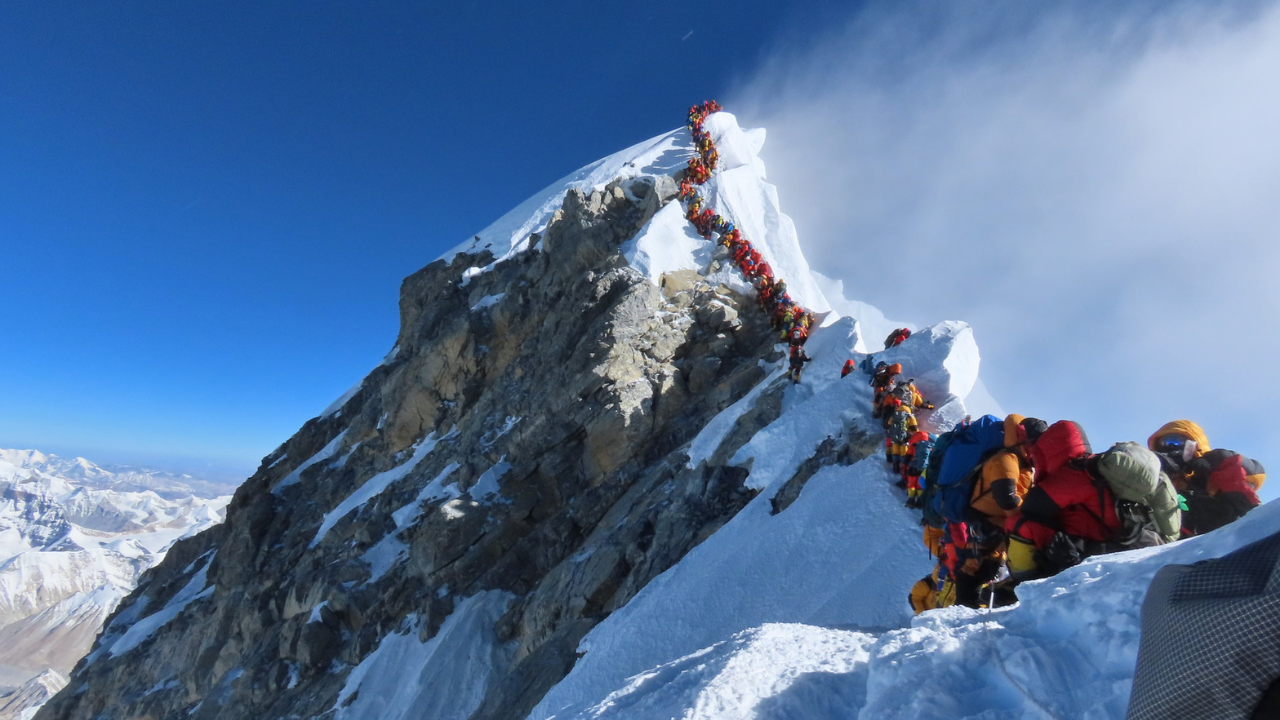
One of the expedition’s most dramatic moments came on Everest, where Purja photographed a long queue of climbers near the summit. The image became an enduring symbol of the dangers and congestion on the world’s highest mountain.
There were also moments when the project nearly broke him
Purja later recalled experiencing such despair that, during one difficult period, he found himself hoping an avalanche would end the ordeal. But he returned to the purpose he had attached to the project: representing the Gurkhas and showing that apparently impossible goals could be pursued. The final obstacle was Shishapangma in Tibet. Getting permission to climb it was itself a major hurdle, with the mountain normally closed during that season. On 29 October 2019, Purja reached its summit.Project Possible was complete.He had climbed all 14 eight-thousanders in six months and six days, or 189 days, smashing the previous record, which had stood at nearly eight years. The achievement turned him into an international phenomenon.
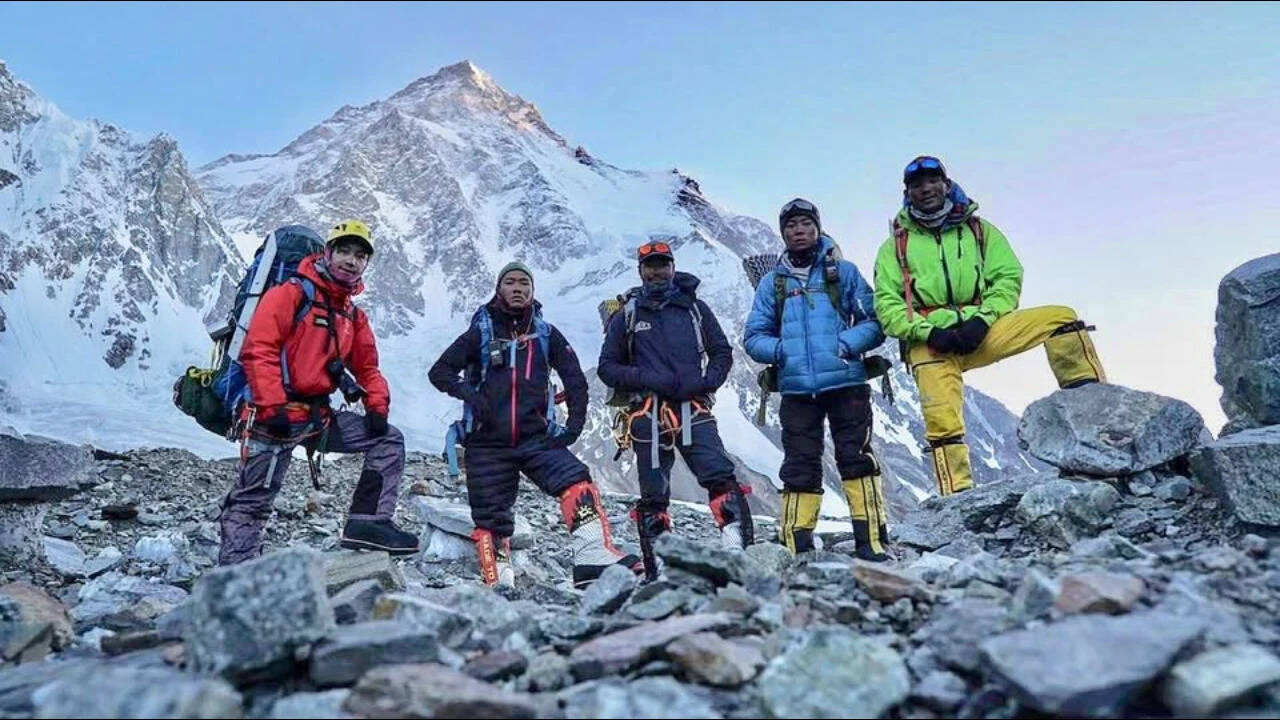
His story was later told in the Netflix documentary 14 Peaks: Nothing Is Impossible, which brought his extraordinary campaign to a global audience.His record, however, did not remain untouched forever. In 2023, the record for completing all 14 peaks was broken by a team including Norway’s Kristin Harila and Nepal’s Tenjen Sherpa. Purja’s 2019 achievement remains extraordinary, but it is important not to describe it today as the outright fastest overall record.
Beyond the 14 peaks
Purja continued climbing after Project Possible. Among his other achievements was becoming the first person to complete the winter ascent of K2 without supplemental oxygen, according to his published biography and institutional profiles. He also became known for rapid ascents, including climbing Everest, Lhotse and Makalu in remarkably quick succession.But his career was not without controversy. His highly commercial, heavily documented style of mountaineering divided opinion in a sport traditionally associated with minimalism and individual exploration. He also faced allegations and criticism that complicated his public image. He denied wrongdoing. Still, to millions who followed his story, Purja represented something larger than records. His message was simple: limits are often imposed before they are tested.
The mountain that became his last
In July 2026, Purja returned to Pakistan’s Karakoram range, this time leading an expedition on Broad Peak, an 8,051-metre giant near the Pakistan-China border. On 30 July, disaster struck.
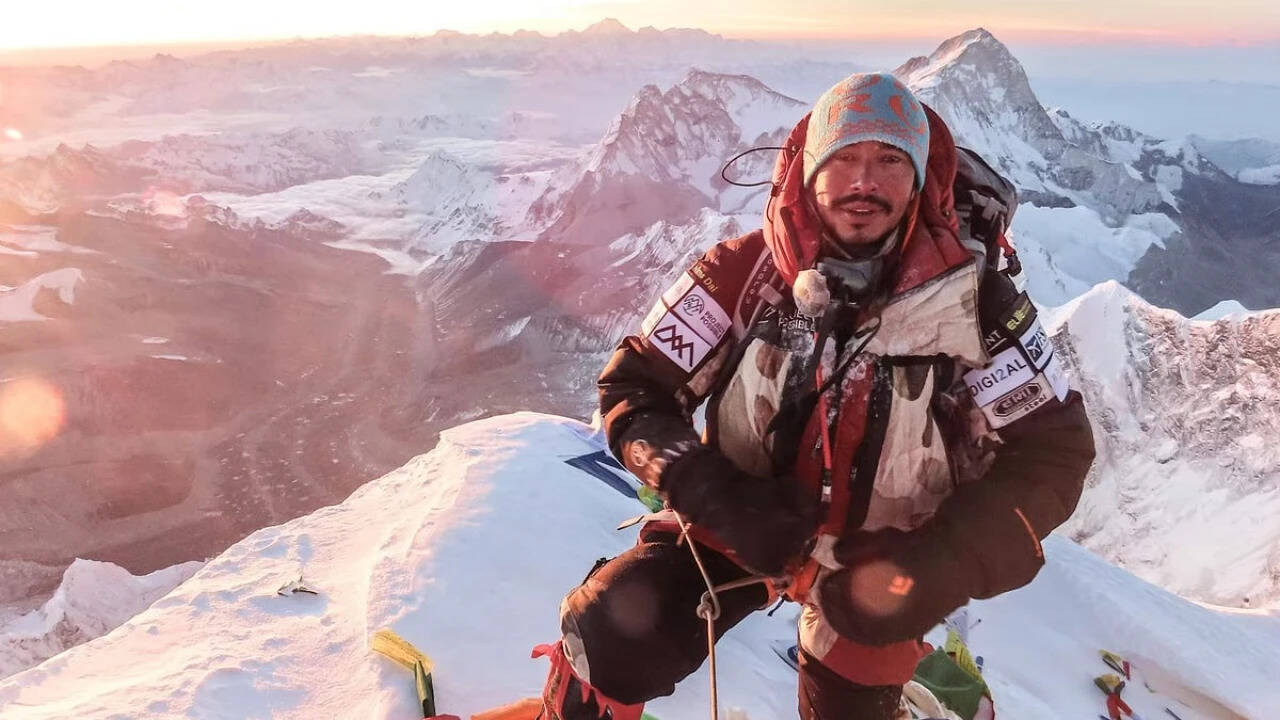
A massive avalanche swept through the expedition at high altitude. Purja and other climbers were caught in the slide. He was reported missing before his death was confirmed. Ten climbers from the international expedition ultimately died in the disaster. The recovery operation continued for weeks because of the difficult terrain and deep snow.Purja was 43. The man who had spent years pushing against the boundaries of what the human body could endure had finally met a force no amount of determination could overcome. In 2019, after completing his impossible 14-peak mission, Purja said the achievement was not really about climbing mountains. It was about pursuing a goal even when everyone else said it could not be done. That became the defining idea of his life. Nims Purja climbed 14 of the world’s highest mountains in 189 days.His final climb ended on one of them. And the lesson he spent his life preaching, that nothing is impossible, became the legacy he left behind.