









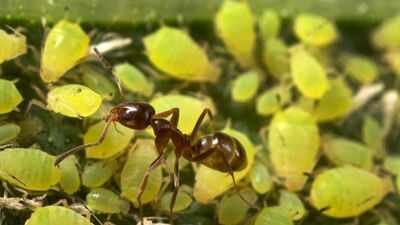
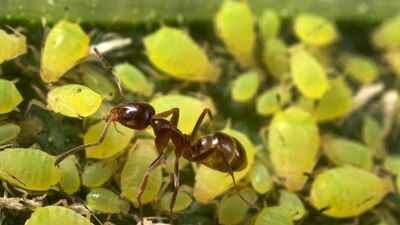
An invasive species of ants travelled across continents to America and is now defending other insects. According to a report by econews, Argentine Ants have been protecting aphids, mealybugs, scales, whiteflies and psyllids against the predators and parasites that would normally keep their population under control. This unlikely alliance has turned the ants into a hidden and looming problem for citrus groves, vineyards, nurseries and backyard plants.
A century-old invasion
Argentine ants are native to South America and were first detected in the United States around New Orleans in 1891. California recorded their presence by 1907 and researchers found that human transport created long-distance jumps far faster than the ants could spread by slowly budding into neighbouring nests.Their presence was only facilitated by California’s mild coastal conditions. Irrigated farms, landscaped suburbs, leaky pipes and regularly watered gardens provide the moisture and steady food sources that allow colonies to persist in places where the surrounding landscape may otherwise be too dry.In their native range, neighbouring colonies of ants often fight. But in California, a genetic bottleneck reduced variation in the introduced population, lowering aggression and allowing nests across a vast stretch from San Diego to Ukiah to cooperate. UC San Diego researcher Neil Tsutsui described the result as “one big colony”. In practice, it is a connected network of nests with multiple queens and workers that can move among sites, build enormous numbers, and overwhelm competing native ants.Since they have linked nests that can be shallow, spread across a property and contain multiple queens, removing one visible cluster is rarely as impactful. Reducing water and food sources, sealing entry points, protecting valuable plants, and using species-appropriate baits are more practical than repeatedly spraying the workers visible on the surface, said UC experts.
A battle for the honeydew
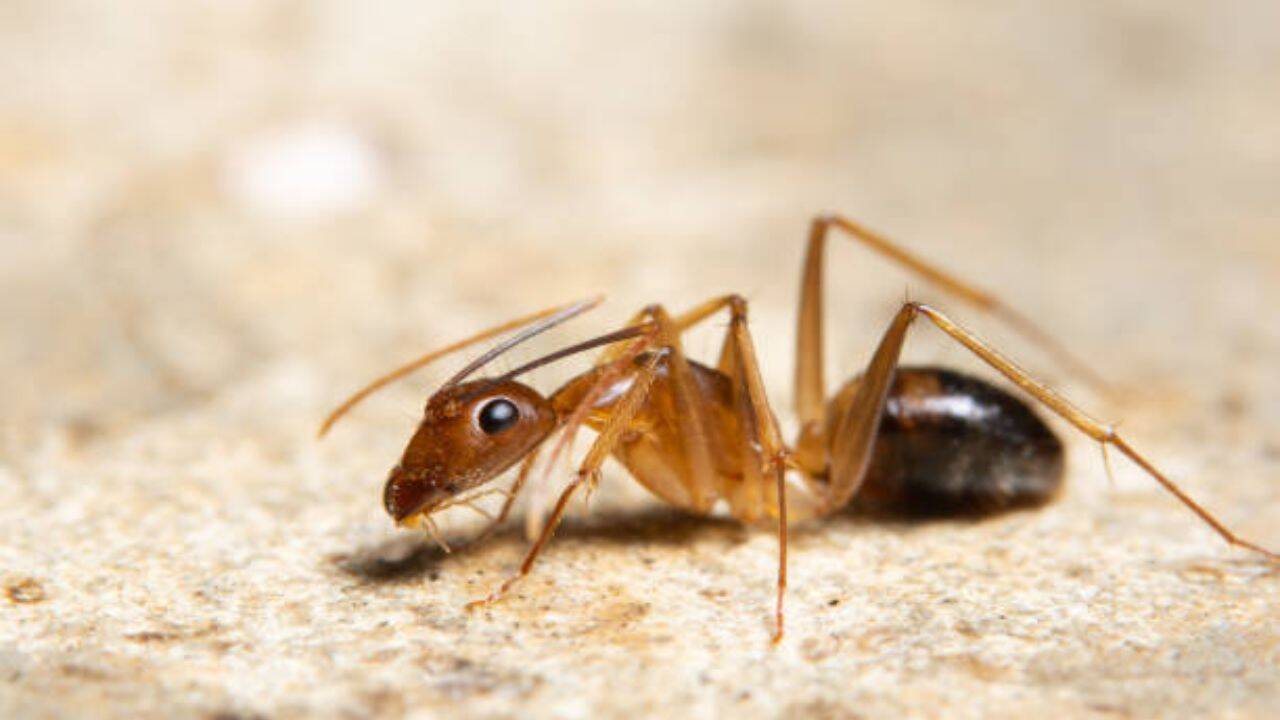
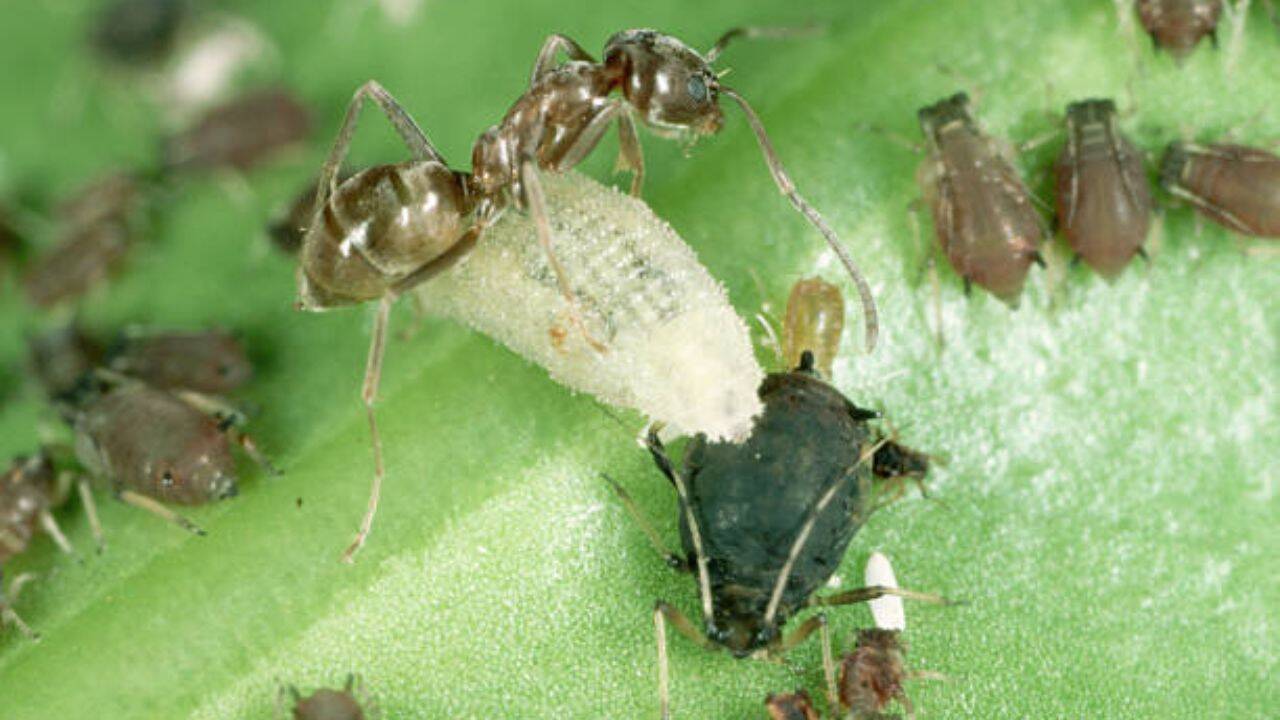
Aphids and other sap-feeding insects release a sugary waste called honeydew and the Argentine ants collect it
Aphids and other sap-feeding insects release a sugary waste called honeydew. The Argentine ants collect it, then harass or drive away predators or parasitoid wasps that approach these insects, sometimes even moving them to more favourable parts of a plant.The payoff for the pests can be substantial. The University of California, Riverside reports that parasitism of California red scale was reduced twofold to fivefold in the presence of Argentine ants, showing how a tiny insect can quietly disable an otherwise useful layer of crop protection.
Farms face problems
UC pest-management guidance identifies Argentine ants as especially disruptive in citrus and grapes because they protect scales and mealybugs from natural enemies. In citrus orchards, they can also interfere with irrigation by plugging sprinklers, adding another practical problem for growers.In practical terms, growers may conserve beneficial insects and still see disappointing results while ant trails remain active. The evidence suggests that effective management must address the ants and the honeydew-producing pests as a linked problem rather than treating each one in isolation.
Food loss for native wildlife
Argentine ants displace larger native species, changing the menu for animals such as the coast horned lizard, which depends heavily on native ants
The damage does not stop at crops and farmers; Argentine ants displace larger native species, changing the menu for animals such as the coast horned lizard, which depends heavily on native ants and does poorly when its preferred prey has disappeared.Field research in Southern California found horned lizards were more abundant where Argentine ants were absent and native prey remained. Laboratory work also showed that young lizards fed Argentine ants or prey typical of invaded communities failed to grow normally, although habitat loss and fragmentation remain important pressures too.
New research complicated control
A 2026 UC Riverside study published in Insects found that two common bait toxicants produced opposite behavioural effects in laboratory colonies. Boric acid increased clustering inside the nest and suppressed outside activity, while thiamethoxam sent more workers roaming through the foraging area.The university reported that thiamethoxam killed all workers in about seven days, while boric acid killed roughly 90% in about two weeks under the study conditions. Queens may still survive, so a sudden surge in visible ants does not necessarily mean a bait failed, and temporary relief does not always mean the colony is gone.