





When Boston began work on the Central Artery/Tunnel Project, better known as the Big Dig, in 1991, it was taking on one of the biggest infrastructure projects in the city’s history. The project was planned to reduce traffic on an ageing elevated highway and extend I-90 from south of downtown Boston.The work also involved removing a huge amount of soil. According to National Park Service, the Big Dig excavated more than 16 million cubic yards of soil, creating a problem of where all that material should go. Some of it was used to create new green spaces in Boston, including the Rose Fitzgerald Kennedy Greenway, Millennium Park and Memorial Stadium Park.But one of the most striking uses of the soil was on Spectacle Island in Boston Harbor. Almost a quarter of all the soil removed during the Big Dig was sent to the island. The material helped change the shape of Spectacle Island and played a major role in its environmental restoration.
City dump to restoration project
Spectacle Island had a very different history before the Big Dig soil arrived. From 1921 to 1959, the island was used as a city dump. After it was abandoned, the waste buried there continued to create problem.By the 1960s, the island was producing so much methane gas that underground fires broke out. The fires burned for many years.After being selected as a suitable place to receive soil from the Big Dig, barges carried the excavated material across Boston Harbor to the island. The soil was used as part of a project to cover and seal the former dump.
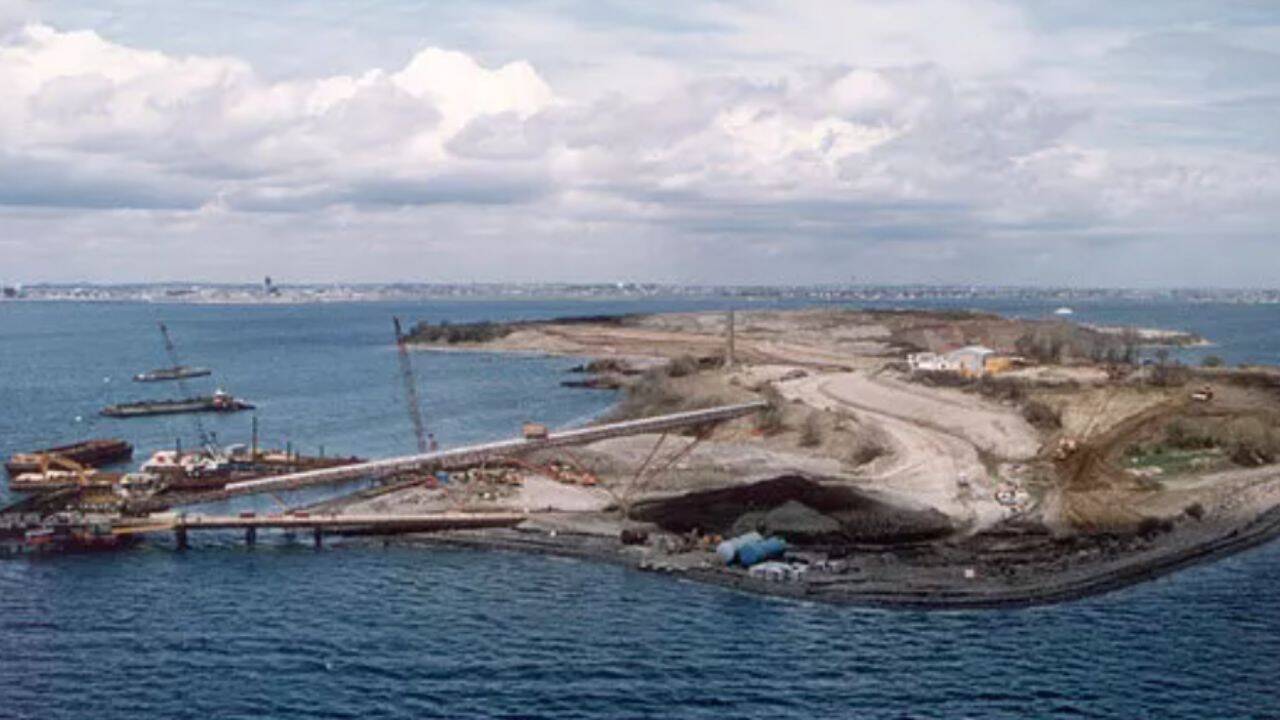
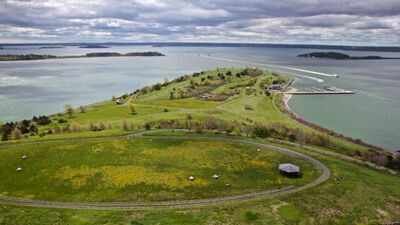
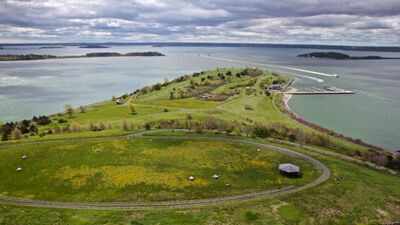
Spectacle Island undergoing environmental restoration.Boston Globe Photo
This process is known as capping. Workers first placed a half-metre layer of clay over the dump. They then added another two to five feet of topsoil on top of the clay layer.The new material changed the island’s landscape and its height and eventually made the north drumlin the highest point in Boston Harbor.The next step was to bring vegetation back to the island, but this had to be done carefully because the landfill seal underneath could not be damaged.
Trees brought new life
Over a period of 15 years, there was a large planting effort on Spectacle Island. More than 2,400 trees and 26,000 shrubs were planted across the restored landscape.The choice of trees was important. Workers planted only shallow-rooted trees so that their roots would not break through the seal covering the former landfill. Plant species were also selected carefully with the aim of restoring the island’s natural ecosystem.As the plants grew, the appearance of Spectacle Island changed. Areas that had once been linked to the city’s old dump were transformed into a landscape covered with trees, shrubs and grasses.The changes also affected the wildlife found on the island. Different bird species began using the restored habitat. These include osprey, mockingbirds, red-tailed hawks, redwing blackbirds and turkeys.The flowering plants also created places for pollinators. Bees and butterflies are now among the insects attracted to the island’s vegetation. Small mammals and rodents have also returned.The return of wildlife was not limited to smaller animals. Coyotes, deer and raccoons are also spotted on the island from time to time.The Big Dig itself also changed Boston beyond its tunnels and roads. The project created 300 acres of green spaces. The Rose Fitzgerald Kennedy Greenway took the place of the old elevated highway and became an area of vegetation and park spaces.The new highway system also had an effect on traffic-related emissions. According to the official data, carbon emissions in Boston dropped by 12% because cars were moving instead of remaining idle in traffic.