










Can your child sit quietly and watch a sunset for 10 minutes? It sounds like a simple question, but for many families today, the answer may be no. Bollywood actor and comedian Jaaved Jaaferi recently opened up about something he noticed in his own home. He says there is a change in how the younger generation experiences the world. Speaking about his sons in an interview with IANS, he said the difference between growing up with and without screens is striking.His opinion has sparked an important conversation about children’s losing attention spans, rising screen dependence, and why parents may need to rethink how their children spend their free time.\
28 Jul 2026 | 16:22
How do you teach children about money and financial responsibility?
“I told my younger son to sit and watch the sunset”
Sharing a personal story, Jaaved recalled asking his younger son Abbas Jaaferi to simply sit and watch the sunset. “I told my younger son to sit and watch the sunset. Can he watch it? Nothing. Sit and watch the sunset. In 10 minutes, he can’t watch it. He can’t.”According to Jaaved, his younger son grew up with an iPad, unlike his elder son Meezaan. “The younger one especially, he grew up on the iPad. He does a lot of work on it.” He believes this constant exposure to fast-moving digital content changes the way children process the world around them.
“Real life doesn’t move like a screen”

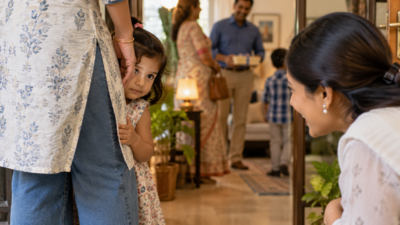
Jaaved Jaaferi with his family.
Explaining his point, Jaaved said that screens constantly bombard the brain with rapid visual changes. “Your brain is constantly registering 24 frames to 30 frames. Real life is not 30 frames per second. It is one frame.” He added that once the brain becomes used to constant movement and stimulation, everyday life can begin to feel slow or even boring. “When you’re watching 30 frames, your subconscious is used to this movement. So when something goes static, you feel everything stopped. I need movement.”Whether or not the science behind “frames per second” is literally how the brain works, psychologists agree that highly stimulating digital content can make slower activities like reading, waiting, observing nature or simply sitting quietly feel less rewarding compared to the instant excitement of screens.
“The level of patience is going down”
Jaaved also compared his two sons’ childhoods. “My elder son Meezaan grew up a little earlier. He was not attached to these things so much.” His biggest concern, however, is what constant digital stimulation may be doing to children’s patience. “It’s very dangerous. The level of patience is going down. It’s like instant.”His words echo what many parents and teachers say they are seeing today. It’s about children wanting immediate answers, instant entertainment and quick rewards, while struggling with activities that require waiting, focus or persistence.
Why children today find “doing nothing” so difficult
Experts say today’s children are growing up in an environment where stimulation is always available. A swipe brings another video, another game, another notification. The brain naturally begins to expect instant rewards. This can make slower experiences, such as waiting in line, reading a long story or watching a sunset, feel uncomfortable.That is not to say that screens are harmful in themselves. Technology is an important part of learning and modern life. The problem comes when every quiet moment is immediately filled with a screen, leaving little room for boredom, imagination or reflection. Ironically, it is often in boredom that creativity begins. When children are not constantly entertained, they begin to invent games, ask questions, observe their surroundings and think independently.
What parents can do instead of simply cutting screen time
File photo
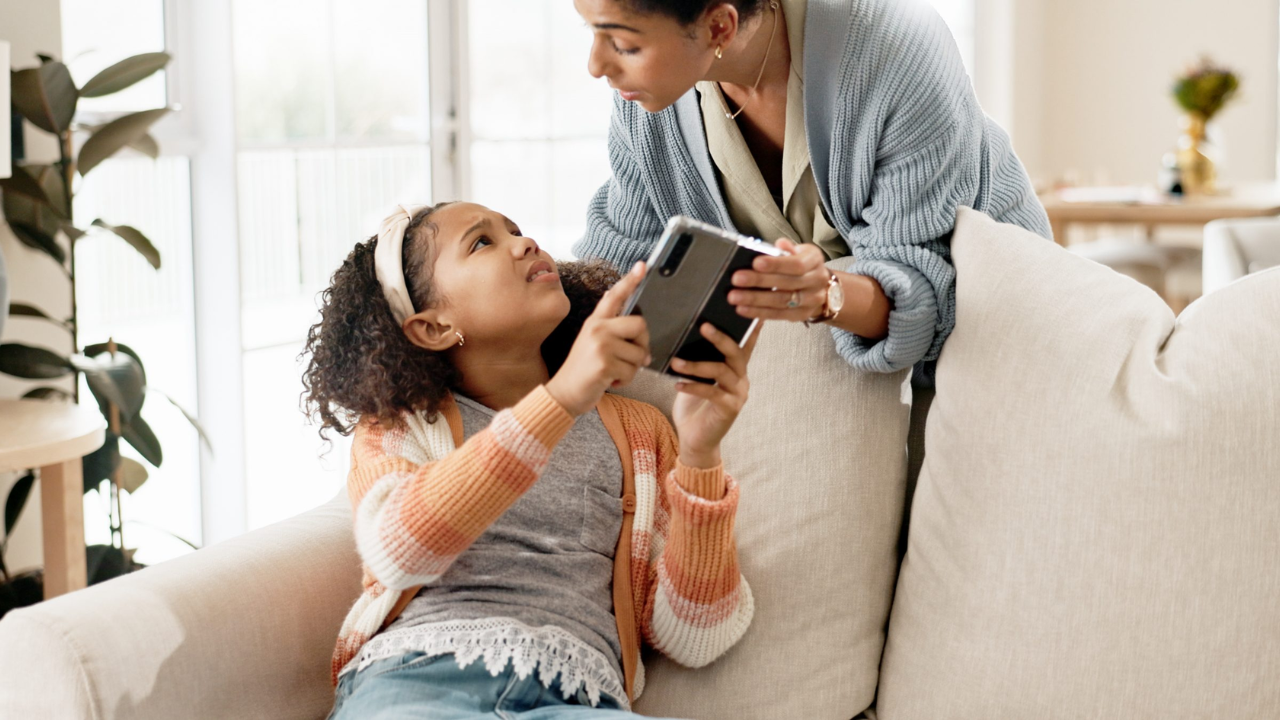
Many parents try to solve the problem by taking away devices completely. While limits are important, experts say replacing screens with meaningful experiences works better than simply banning them.Instead of asking a child to “stop using the iPad,” invite them into something that naturally captures their attention. Take an evening walk without phones and ask them to notice five things they have never seen before. Sit on the balcony together during sunset without making it a lesson or a lecture. Visit a park where the goal isn’t exercise but observation. Let them help water plants, feed birds or simply listen to the sounds around them.
Create one “slow moment” every day
Parents often schedule homework, tuition and sports, but very few intentionally schedule quiet time. One practical idea is to create a daily 15-minute slow ritual. During those 15 minutes:
- No phones for both children or parents.
No television in the background.
No instructions to “perform” or “learn.”
Simply read together, watch the sky, listen to music, colour, build blocks, garden or sit outdoors.
What Jaaved said isn’t really about whether a child can watch the sunset for ten minutes. It’s about something many families are quietly experiencing. In a world designed to keep everyone constantly scrolling, perhaps one of the greatest gifts parents can give their children isn’t another educational app or activity. It is the ability to enjoy a moment that asks for nothing in return.