








Rice water is often poured down the sink without a second thought. Yet the water that remains after rinsing or boiling plain rice can be useful in the garden when used correctly. It contains small amounts of starch along with traces of minerals that may support healthy soil and beneficial micro-organisms. While it is not a substitute for a balanced fertiliser, it can become part of a simple plant care routine.The key is to use plain rice water that contains no salt, oil or seasoning. It should also be allowed to cool completely before being poured onto the soil. Rice water can benefit certain plants that thrive in nutrient-rich, well-maintained soil. Here are seven plants that grow well with rice water.
7 plants that grow well with rice water
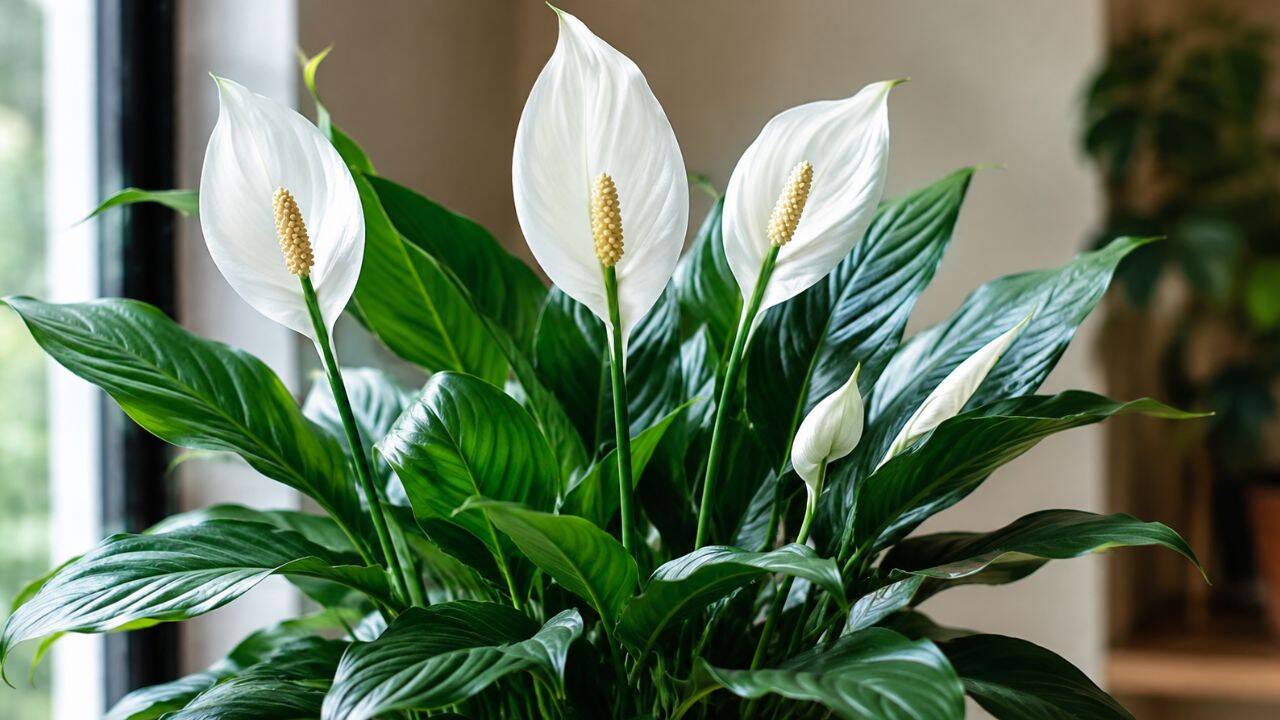
1. Peace lily
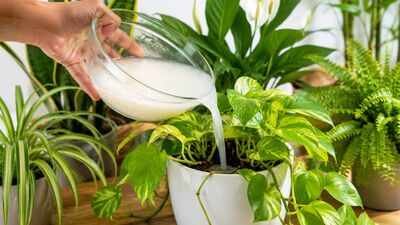
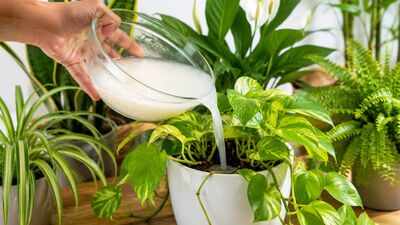
Peace lilies eventually benefit from gentle feeding during the growing season. Rice water can be used to support healthy root activity and improve soil condition. It should always be poured onto the soil rather than over the leaves. Using it once every few weeks along with normal watering is generally enough, as overuse may leave excess starch in the pot.
PC: AI Generated
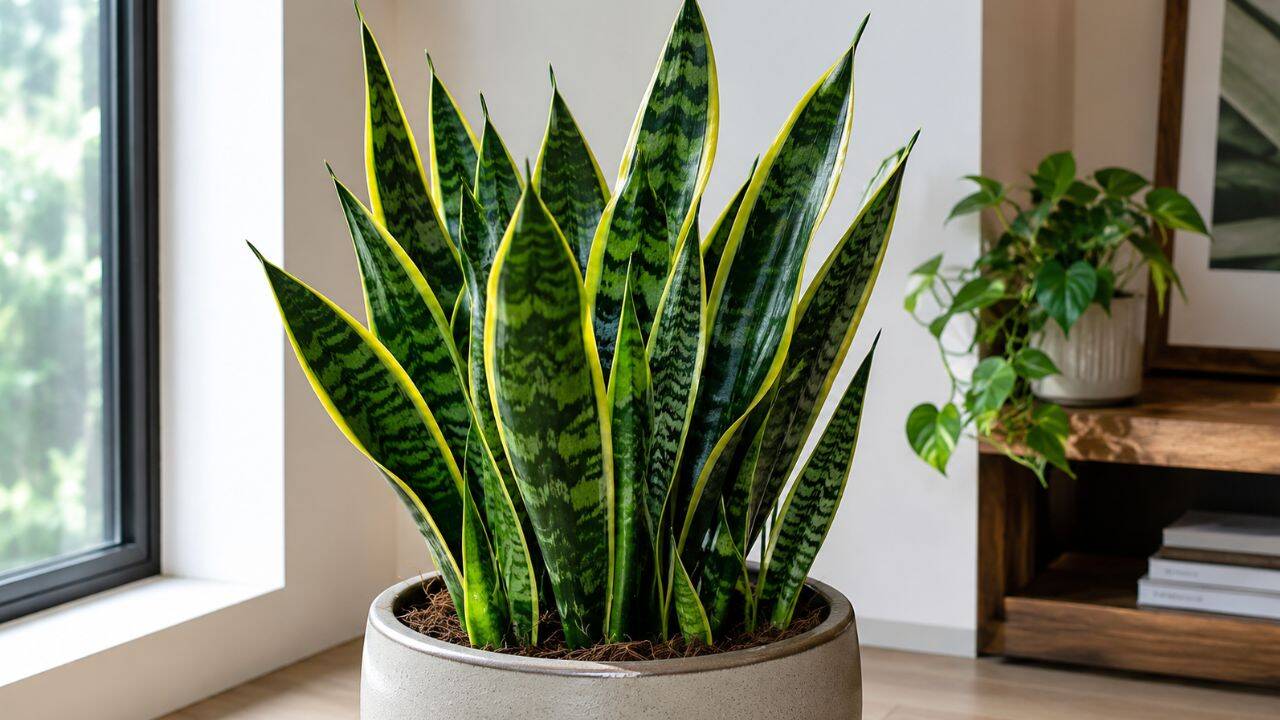
2. Snake plant
Snake plants are known for being low-maintenance, but healthy soil still plays an important role in keeping them growing well. A small amount of plain rice water can be used from time to time during active growth. Because snake plants prefer drier conditions, the soil should be allowed to dry properly between waterings. Rice water should never replace normal watering and should always be used in moderation.
PC: AI Generated
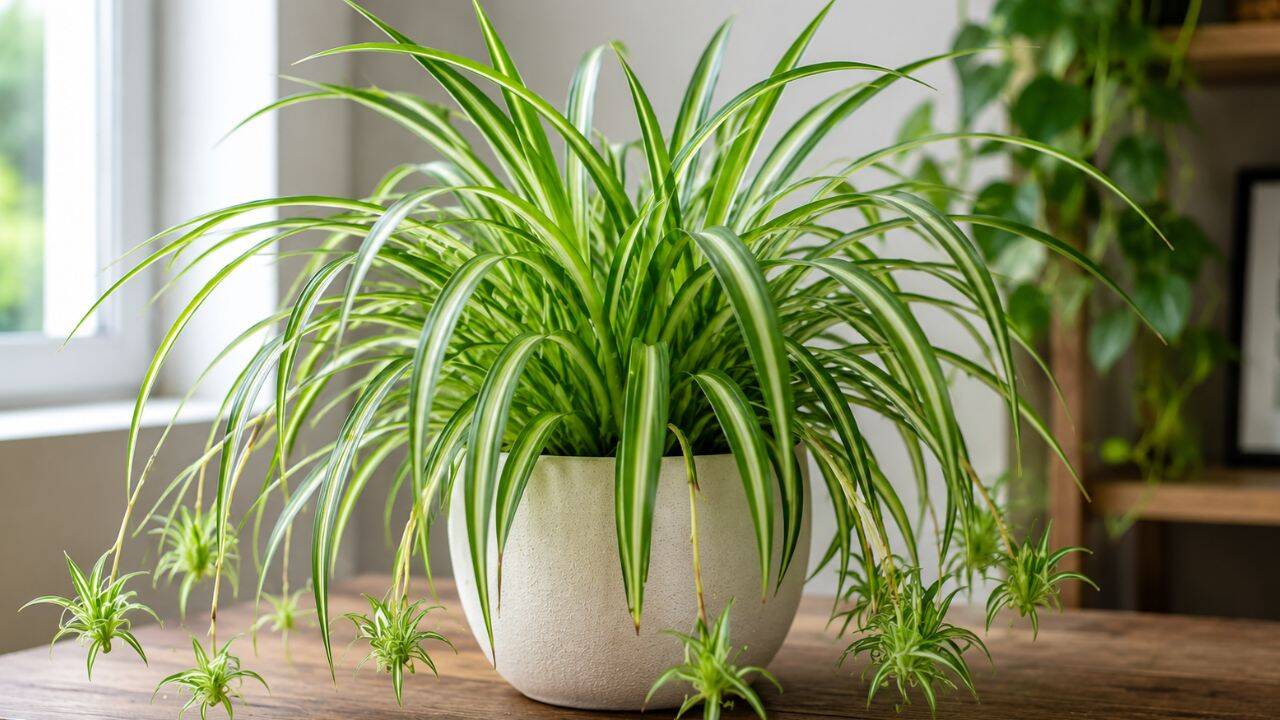
3. Spider plant
Spider plants grow best when the soil remains evenly moist. Rice water can be used every few weeks to support healthy soil without overwhelming the plant. Applying it directly to the base helps the roots absorb the moisture while avoiding unnecessary residue on the leaves.
PC: AI Generated
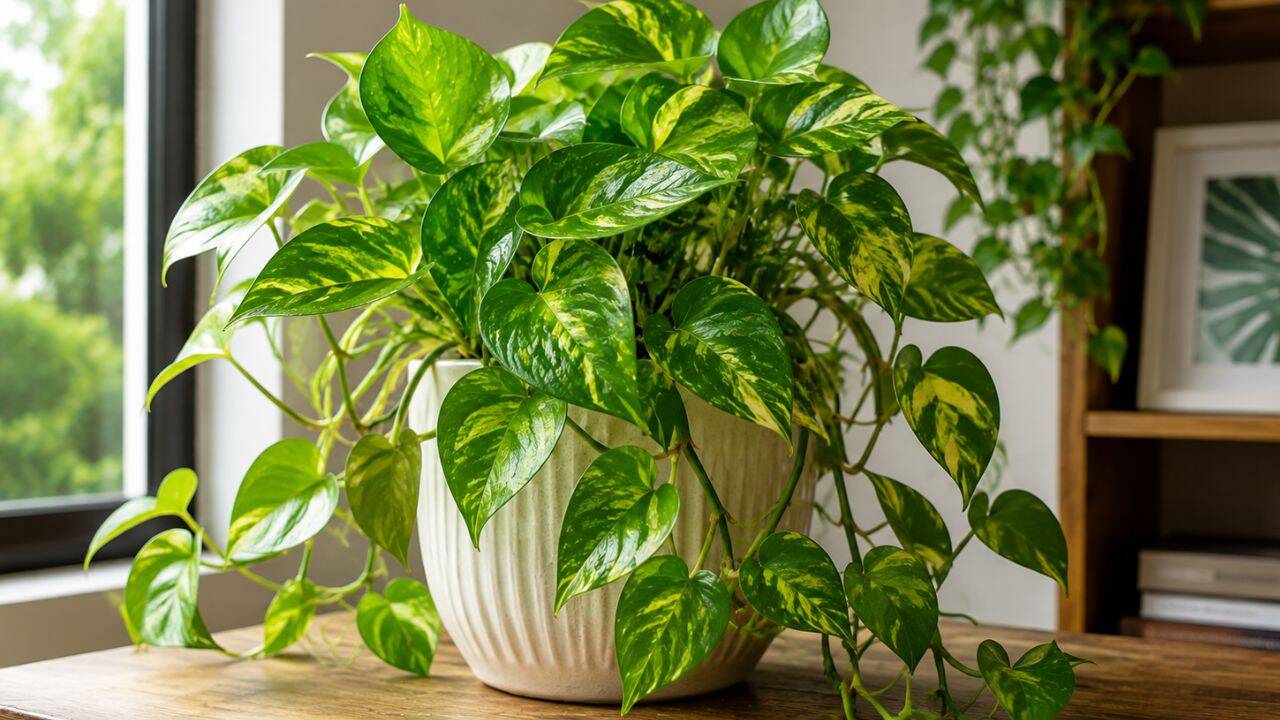
4. Money plant
Money plants grow actively in both soil and water, making them popular indoor houseplants. For plants growing in soil, cooled rice water can be used occasionally as part of the watering routine. The additional organic matter may help support healthy microbial activity in the potting mix.
PC: AI Generated
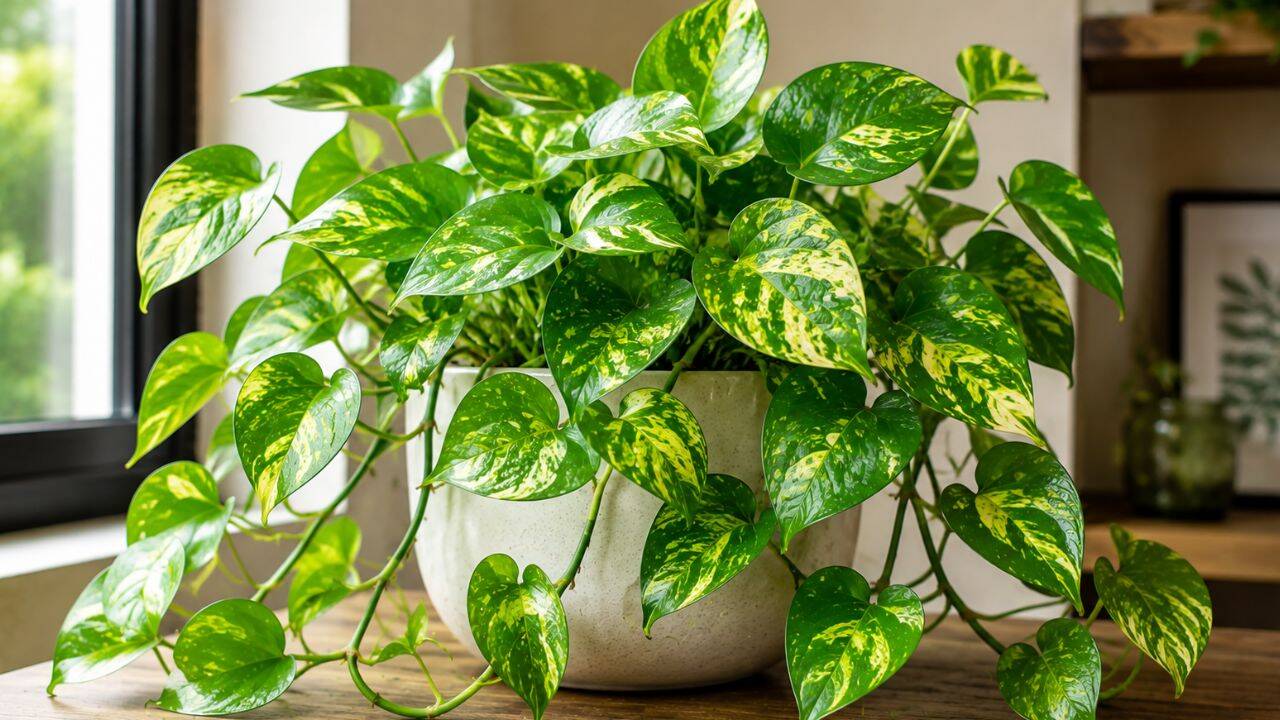
5. Pothos
Pothos plants are valued for their ability to grow in indoor conditions. Occasional watering with plain rice water may help maintain healthy soil and steady growth. The soil should not remain constantly damp because excess moisture encourages root problems. Rice water is most useful as an occasional supplement rather than a regular replacement for ordinary watering.
PC: AI Generated
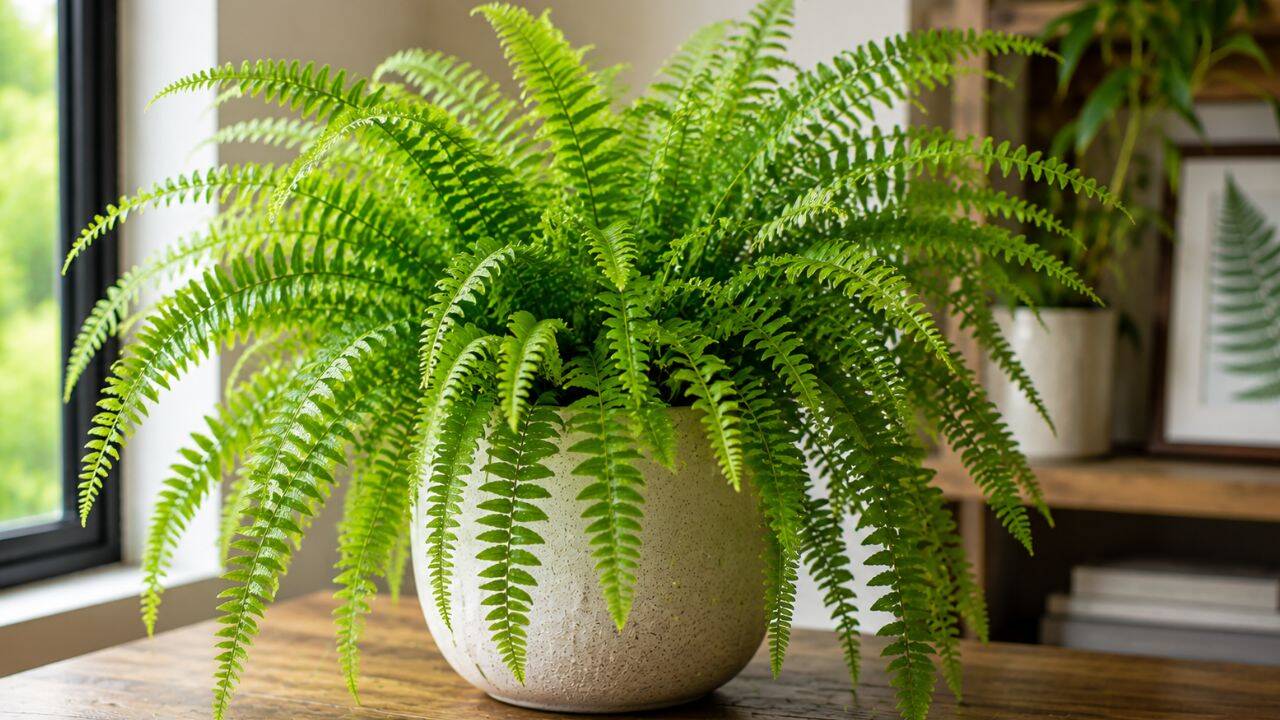
6. Ferns
Most indoor ferns prefer soil that remains consistently moist and rich in organic matter. Rice water can provide a gentle addition to the watering routine when used occasionally. Because ferns are sensitive to poor drainage, only a moderate amount should be applied before allowing the soil to drain freely.
PC: AI Generated
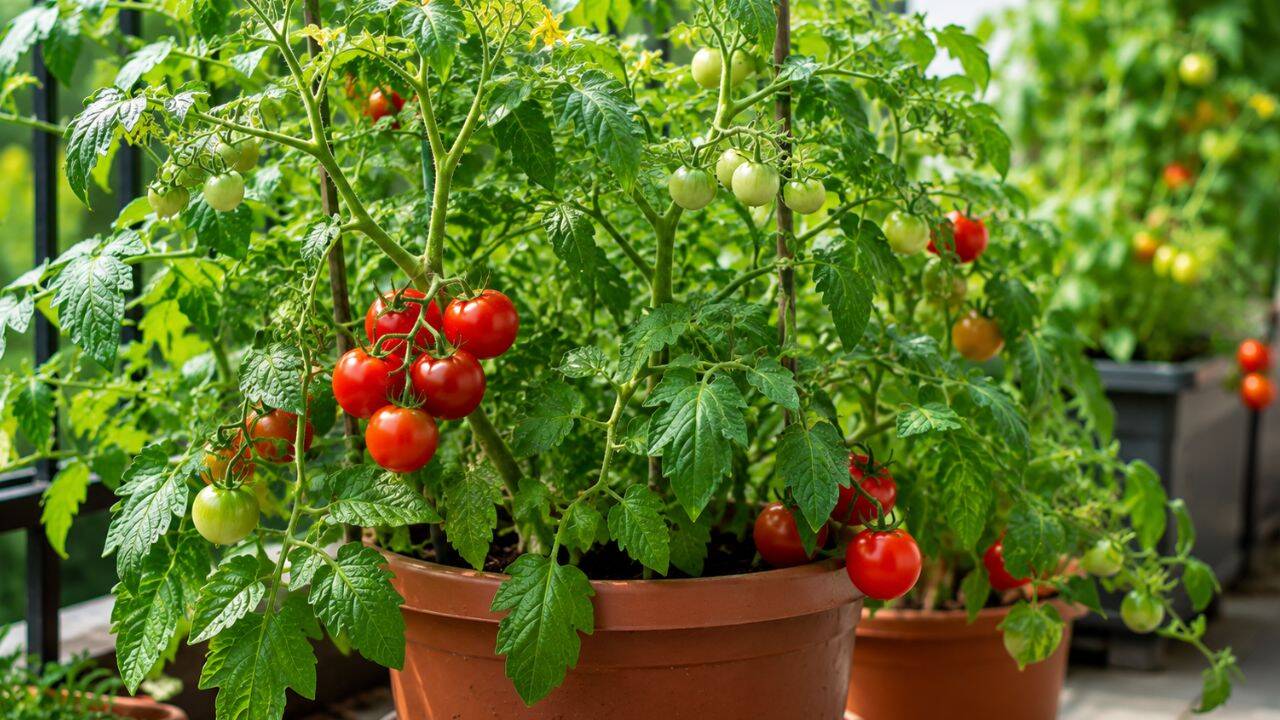
7. Tomato plants
Tomato plants have high nutrient requirements as they grow, flower and produce fruit. While rice water cannot replace fertiliser, it can be used occasionally around the base of plants as part of overall soil care. It should be applied only to plain garden soil and never to waterlogged beds. Regular compost and balanced fertiliser remain the primary sources of nutrition for healthy tomato growth.
PC: AI Generated
Avoid these 3 mistakes when watering plants with rice water
1. Never use salted or seasoned rice water
Only plain rice water should be used for plants. Water left over after cooking rice with salt, oil, butter, or spices can harm the soil over time. Excess salt affects the plant’s ability to absorb water and nutrients, while oils may interfere with proper soil drainage. Fresh, plain rice water is always the safest choice.
2. Do not pour it onto the leaves
Rice water should be applied directly to the soil around the base of the plant rather than over the foliage. The starch left on leaves may encourage fungal growth, especially in warm and humid weather. Watering the roots instead allows the moisture to reach the part of the plant that benefits most.
3. Avoid using rice water too often
Although rice water contains useful nutrients, it should not become part of every watering routine. Frequent use may leave excess starch in the soil, encouraging mould or unwanted microbial growth. Using it once every two to four weeks is generally enough for most indoor and outdoor plants alongside normal watering.