








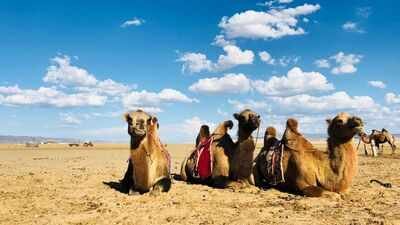
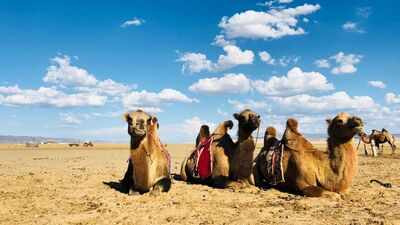
There’s a tradition out in Mongolia’s Gobi Desert that sounds almost too tender to be real, yet herding families have kept it alive for generations. It’s called Khööslökh, sometimes translated as the “camel coaxing ritual,” and the idea at its core is simple. When a mother camel won’t accept her newborn, someone sings to her.It happens more than you’d expect. A calf is born and the mother turns away, refusing to nurse it. Or a calf has lost its own mother and needs another camel to take it in. Either way, herders don’t force the issue. They sing instead, usually with the morin khuur, that low, mournful horsehead fiddle, playing softly alongside. The melody is slow and aching. According to herders, the ritual often works. People who’ve watched it happen describe the mother slowly softening, leaning in closer, sometimes even crying, before she finally lets the calf nurse.
A tradition born out of necessity and love
To understand why this ritual exists, you have to understand what camels mean to a family in the Gobi. They’re not just animals out here. They carry goods across brutal terrain, provide milk and wool, and represent a household’s livelihood. So when a calf is rejected right after birth, it’s not a small problem. Without help, that calf likely won’t survive.Khööslökh probably grew out of that exact urgency, refined over generations by herders who spent their whole lives around these animals and noticed something the rest of us might miss: camels, like people, respond to emotion and sound. Nobody in these communities treats this as some old superstition either. It’s regarded as a trusted method, passed down the way you’d teach someone to read a coming storm, earned through experience rather than guesswork.The ritual itself looks almost unremarkable from the outside. An elder, or whoever in the family is known for having a good voice, sits close to the distressed mother and starts singing. Nothing dramatic about it. The tune repeats, slow and steady, not unlike a lullaby meant to calm a crying child. Sometimes soft words are woven into the melody too, gentle coaxing rather than commands. It might take a few minutes. It might take much longer. But herders say that with patience and the right song, the ritual often encourages the mother to accept the calf.
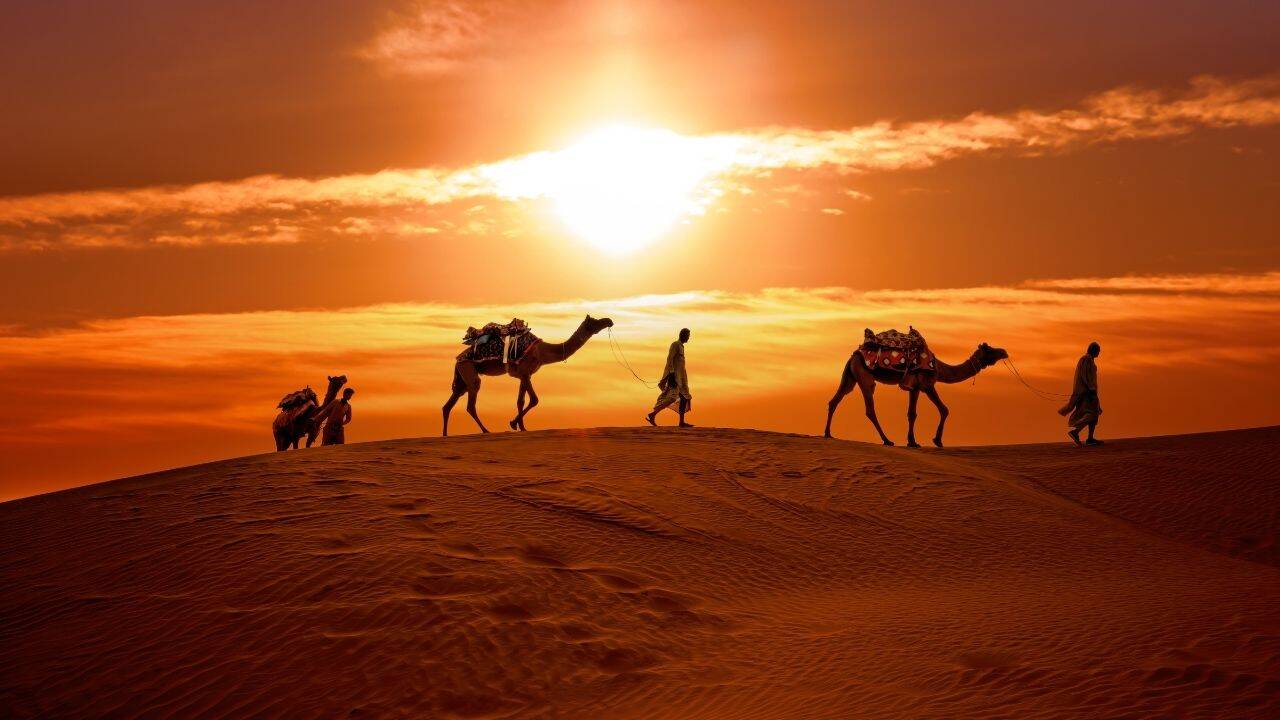
Image Credit: Canva
A language that reaches where words can’t
What’s striking about all this is that it doesn’t rely on anything a camel could really “understand” in any technical sense. There’s no training, no command being followed. Just sound, tone and rhythm, and somehow that’s enough to reach an animal that has no language of its own to meet ours. Researchers have spent years studying how music affects human emotion, but this tradition is a quiet reminder that the effect might not be limited to us.Herders don’t need a study to convince them, though. They’ve watched it happen too many times. And that’s really what gives the tradition its weight, it comes from lived experience and grandparents teaching grandchildren, not from anything written in a textbook.
A heritage worth protecting
A few years ago, UNESCO inscribed the traditional music of the camel coaxing ritual on its Representative List of the Intangible Cultural Heritage of Humanity, recognising its cultural importance and the knowledge it preserves.That recognition matters because traditions like this can quietly fade as younger generations move toward cities and modern life reaches even the most remote corners of the world.In an increasingly fast-paced world, the story of Khööslökh stands out for its quiet humanity. Amid the vast silence of the Gobi Desert, a simple melody played on a horsehead fiddle continues to help reunite mothers with their young, preserving not only the lives of camel calves but also a tradition that celebrates compassion, culture and the enduring power of music.