









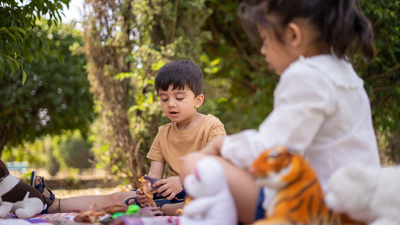
Childhood today is more scheduled than ever. Between school, tuition, extracurricular activities, and screen time, many children have little opportunity to simply play. To adults, play often looks like “just having fun.” But what if those carefree moments are actually doing some of the most important work in a child’s developing brain?That is the idea behind one of the most powerful parenting quotes: “For children, play is serious learning. It’s the work of childhood.”
6 Jul 2026 | 14:01
What factors did you consider, or would consider, before choosing the right school for your child?
Originally said by American TV personality Fred Rogers, this parenting style is approved by social psychologist Jonathan Haidt. According to Haidt, this simple quote captures one of the most important truths about healthy child development.In his book ‘The Anxious Generation,’ Haidt argues that parents should not only delay smartphones and social media but also actively give children something increasingly rare today: more opportunities for free play, independence, and real-world responsibility.
What exactly is free play?
Free play is any activity that children freely choose, direct themselves, and participate in simply because they enjoy it- not because an adult planned or supervised it. While sports, classes, and extracurricular activities have their own benefits, they cannot replace the developmental value of free play, says Haidt.
Why psychologist says free play is more than entertainment
According to Haidt, play is not just entertainment. It is how young children prepare for adulthood. When children pretend to cook, care for dolls, or run a shop, they are observing the adults around them and practising real-life skills. Through these small experiences and observations, they learn how the world works.
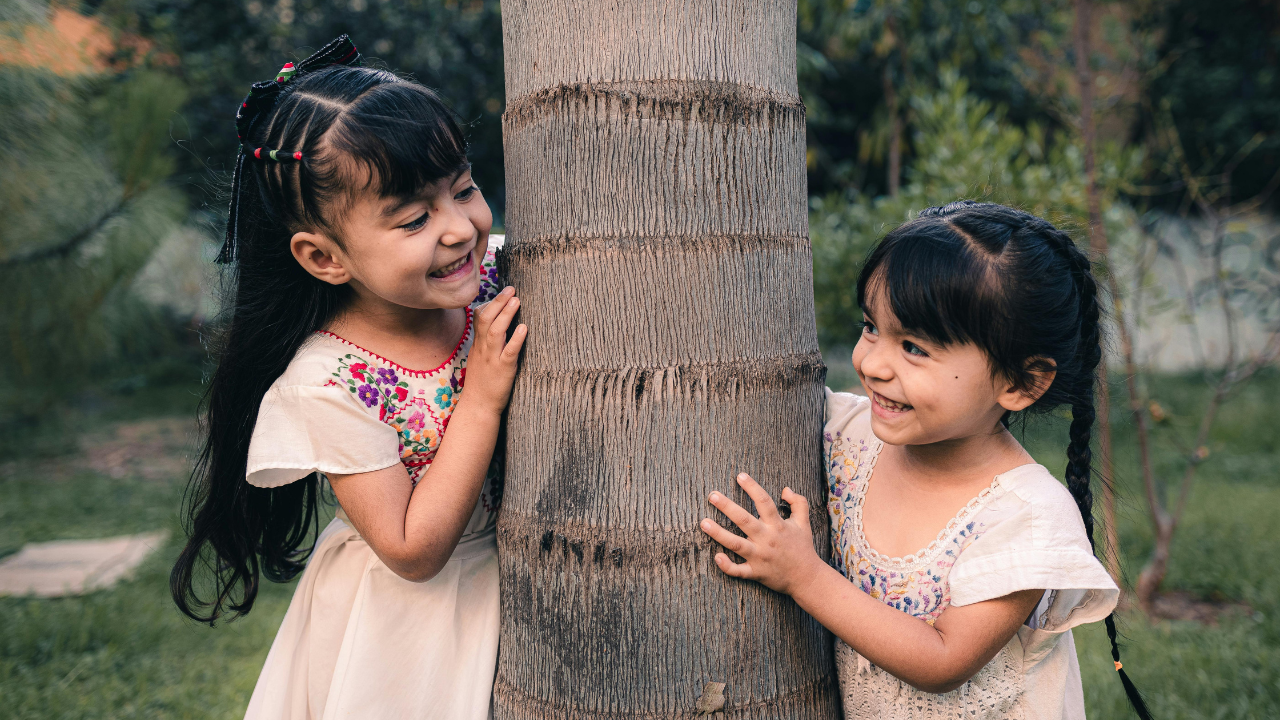
Image: Canva
Why a child’s brain learns the best through play
Unlike classrooms or structured activities, where children follow an adult’s directions, free play lets children make their own decisions, learn from natural consequences, and solve their own problems. There are no step-by-step instructions, and thus, children create their own rules, plan things themselves, and figure out solutions on their own. When children play freely, they show disagreement over rules, fail at attempts, or successfully solve problems, this process strengthens their decision-making, creativity, and resilience. According to social psychologist Jonathan Haidt, this is not unique to humans. Young mammals learn many of the skills they need for adult life through play because it provides a safe, low-stakes environment to experiment, make mistakes, and try again.In essence, while adults may find play unproductive, for children, it is actually one of the brain’s most powerful ways of learning. Every game they enjoy, every challenge they encounter helps them develop skills they will rely on long after childhood.
What parents can do
Encouraging free play is the easiest activity parents can let children do. It doesn’t need your constant interference or expensive toys, in fact, free play often begins when children are simply given the time, space, and freedom to explore on their own.Start by setting aside unstructured time for your child, where no adult is allowed to direct the activity. The activity can be anything from playing outdoors to building forts. Other than this, avoid overscheduling your child. Only then can they use their imagination and independent thinking. In the end, not every valuable lesson comes from a classroom or a scheduled activity. Sometimes, the greatest learning happens when children are free to imagine, explore, make mistakes, solve problems, and discover the world at their own pace.