











Success stories often focus on business achievements, wealth, and growth. But behind many successful entrepreneurs lies a personal struggle that shaped the way they see the world. For one business leader, Rizwan Sajan (Founder & Chairman, Danube Group), the most important lesson of his life did not come from a boardroom or a business school. It came at the age of 16, when he lost his father. That heartbreaking moment not only changed his family’s future but also transformed the way he would lead people decades later.
A life-changing loss at just 16
Reflecting on one of the most difficult periods of his life, the entrepreneur shared, “I was just 16 years old when my father passed away.” Coming from a middle-class family, the loss was devastating in more ways than one. His father was the sole earning member of the household, and suddenly the family was forced to face an uncertain future. The emotional pain of losing a parent was immense, but there was also a practical reality that could not be ignored. “My father was the only earning member of the house, and overnight, the responsibility of thinking about the future fell on all of us,” he recalled. Even while grieving, the family had to continue managing household expenses, bills, and daily responsibilities.
Growing up before his time
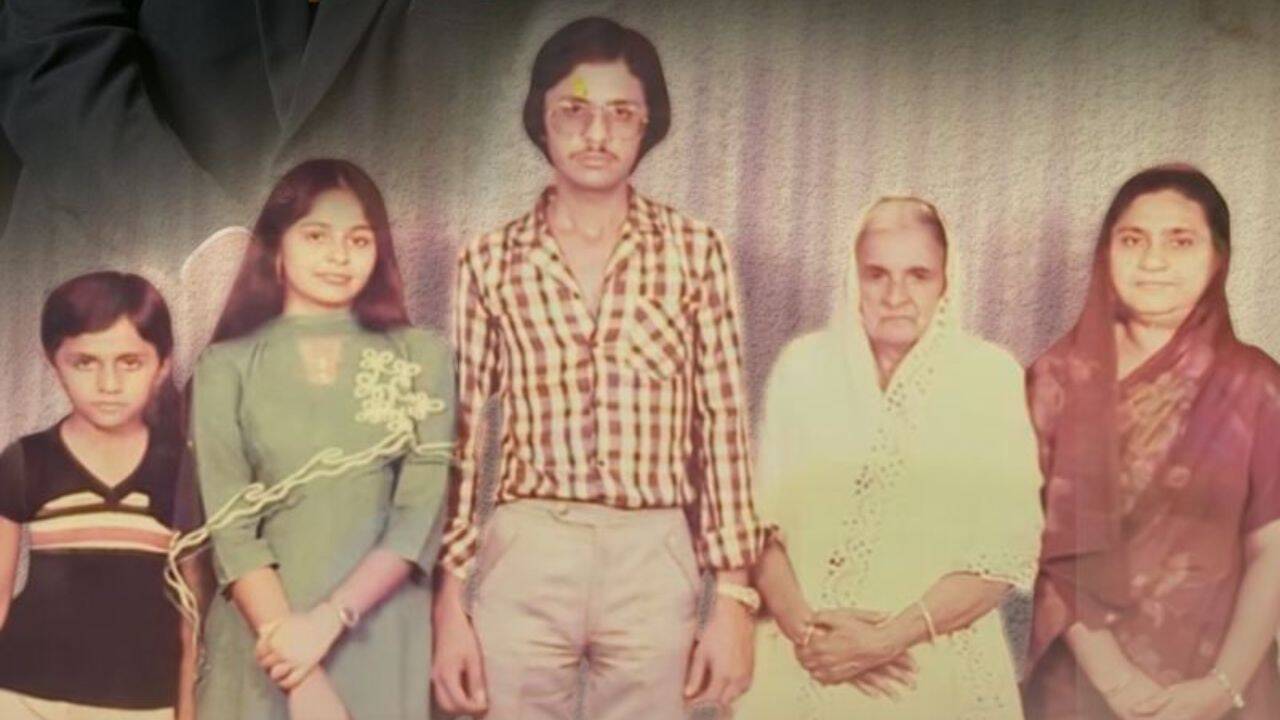
The loss forced him to mature quickly. Looking at his mother during that difficult phase, he realized that life would not pause for their grief. “I still remember looking at my mother and realizing that while we were grieving, life was not going to stop,” he said. As the son of the house, he felt a strong sense of responsibility from a very young age. Those early experiences left a deep mark on him and shaped the values that would later guide his business decisions.
Why salaries mean more than numbers
Many business owners see salaries as a cost of running a company. But for Rizwan, they have always meant much more. “Many people see salaries as a business expense. I have never been able to look at them that way,” he explained. The reason goes back to his own childhood experience. Having witnessed the uncertainty that follows when a family’s source of income suddenly disappears, he understands what that monthly paycheck means to employees and their loved ones. “Because I know what it feels like when a family depends on that money reaching home.” For him, a salary is not simply a number on a spreadsheet. It represents school fees, rent payments, medical expenses, groceries, and the hopes of an entire family.
A promise he never takes lightly
Like every business, Sajan’s company has faced difficult times and economic challenges. Yet one principle has remained constant throughout his journey. “Paying salaries on time has never been something I take lightly,” he shared. He believes that employees fulfill their responsibilities every day by showing up to work and contributing to the organization. In return, employers have a duty to honor their commitments as well. “If employees show up every day and fulfill their responsibility, then as business owners we must fulfill ours.” This philosophy has become a cornerstone of his leadership style.
The real meaning of responsibility
Perhaps the most powerful lesson he learned from his father’s passing was the true meaning of responsibility. For many people, responsibility is about taking care of themselves and achieving personal success. His definition is different. “Responsibility is not about taking care of yourself. It is about taking care of the people who depend on you.” That belief continues to guide him as the founder and chairman of Danube Group, where he leads one of the region’s most successful business organizations.
A lesson bigger than business
People often say that difficult experiences build character. He sees it slightly differently. “People often say difficult times build character. I think they reveal it.” His story is a powerful reminder that leadership is not only about profits, growth, or success. It is also about empathy, understanding, and remembering the struggles that shaped you. The loss of a father at 16 could have become a story of hardship alone. Instead, it became a lesson in compassion and responsibility, one that continues to influence how he treats employees, leads his company, and views the importance of every paycheck that reaches a family’s home.