









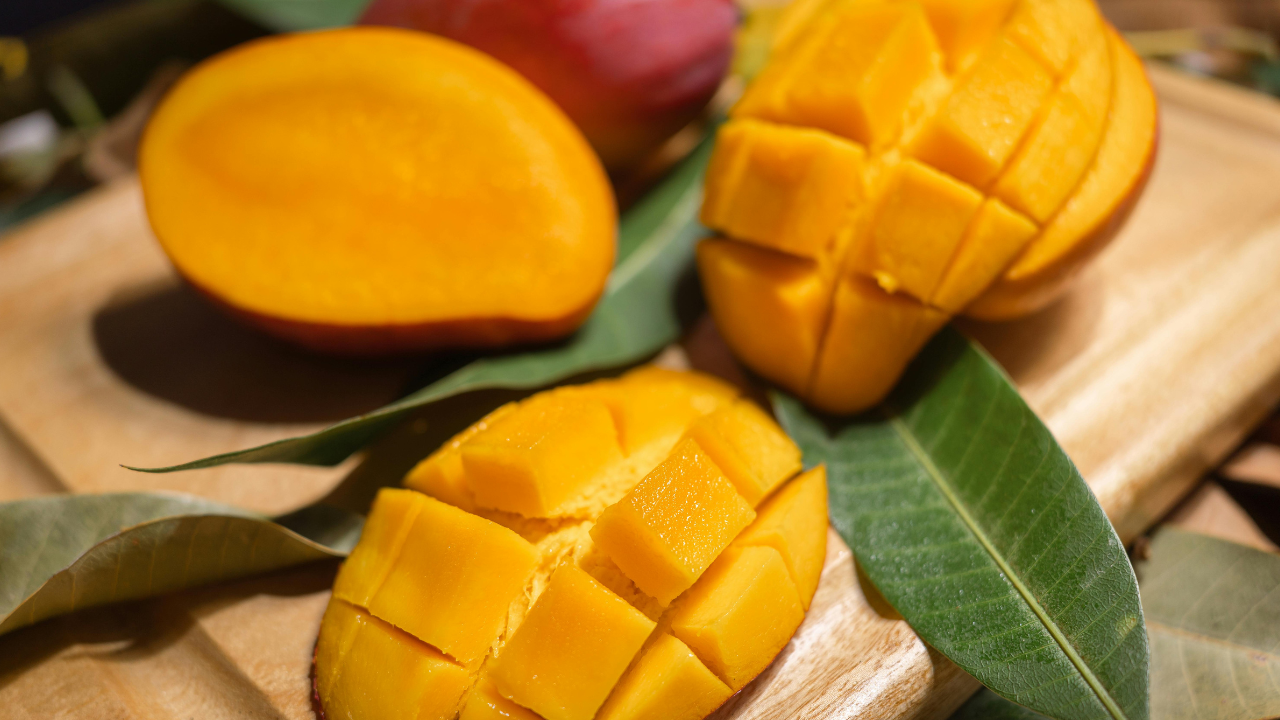
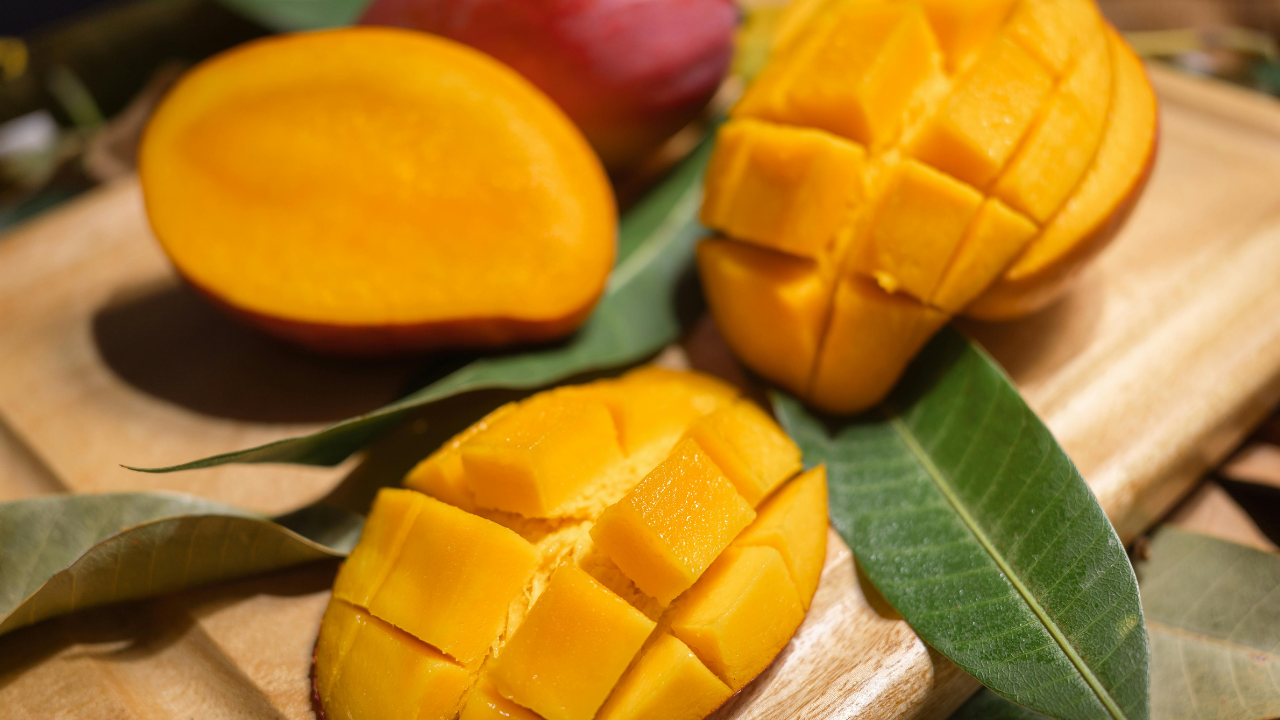
Mango is not for everyone. People with mango allergy should avoid it, and anyone who gets rashes from poison ivy, oak, or sumac should be extra cautious because mango skin and sap can trigger similar contact reactions in some sensitive people. Allergy symptoms can range from itching and swelling to more serious reactions.
People with IBS or strong FODMAP sensitivity may also need to watch mango carefully, because Monash lists mango among higher-FODMAP fruits that can trigger symptoms in some people. And people managing diabetes or doing strict carb counting should not ban mango, but they should treat portion size as the real issue. A small serving is very different from a large bowl.
Eat mango every day and your body is likely to get a steady dose of vitamin C, fiber, carotenoids, and natural sweetness that can improve the quality of your snacks and desserts. In the right portion, it can support digestion, satiety, and overall nutrient intake. In the wrong portion, or in the wrong body, it can be too much of a good thing. That is the real mango story: bright, beneficial, and best when kept in check.