









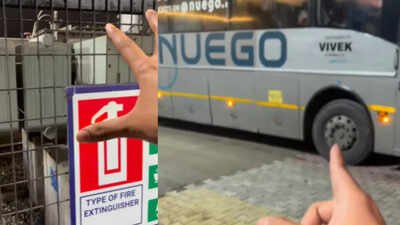
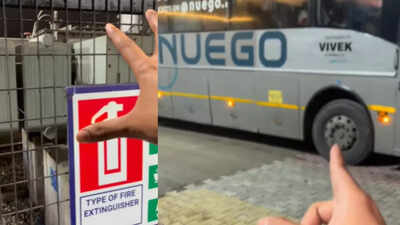
A recent viral Instagram reel has reignited the debate around electric mobility and its real-world impact, after showing an electric bus being charged using a diesel generator. The video shows the bus connected through a specialised transformer setup, drawing power ranging from 20,000 watts up to 400 kilowatts.The clip is going viral because it appears contradictory. Electric vehicles are widely promoted as zero-emission solutions, especially in public transport. However, when the source of electricity itself comes from diesel, the environmental benefit becomes questionable. Like in this case, the bus produces no tailpipe emissions, but the generator powering it continues to burn fossil fuel, shifting emissions rather than eliminating them.
The incident also highlights a deeper issue: the gap in charging infrastructure. In several regions, especially where large-scale EV adoption is still evolving, stable and high-capacity grid connections are not always available.Electric mobility can only be truly “green” if the entire energy chain is clean. This means electricity should ideally come from renewable sources such as solar, wind or hydro power. Without that, the shift to EVs risks becoming a surface-level change rather than a meaningful environmental solution.That said, this does not take away from the long-term potential of electric vehicles. Instead, it underlines the need for a holistic approach: one that includes clean energy generation, robust charging networks and better planning. Only then can electric transport genuinely deliver on its promise of reducing emissions, rather than simply relocating them.Reacting to the viral video, the bus brand said “We have come across a video captured by one of our vigilant passengers that shows a bus being charged using alternative methods. The charging method seen in the video is not our standard operating procedure. It was an exceptional, short-term measure used to address a localized infrastructure gap.Our buses are 100% zero-emission vehicles, but on this occasion, a temporary workaround was adopted to ensure continuity of service for our passengers. In certain areas, intermittent electricity supply and scheduled load management can occasionally impact the availability and reliability of charging infrastructure. In such situations, limited stopgap measures may be used strictly to maintain operations without disrupting commuter experience.This incident showcases a larger issue across the industry – the critical need for charging facilities and power reliability to keep pace with vehicle technology. We would like to reiterate that we remain fully dedicated to providing sustainable and 100% green mobility.”Stay tuned to TOI Auto for latest updates on the automotive sector and do follow us on our social media handles on Facebook, Instagram and X.